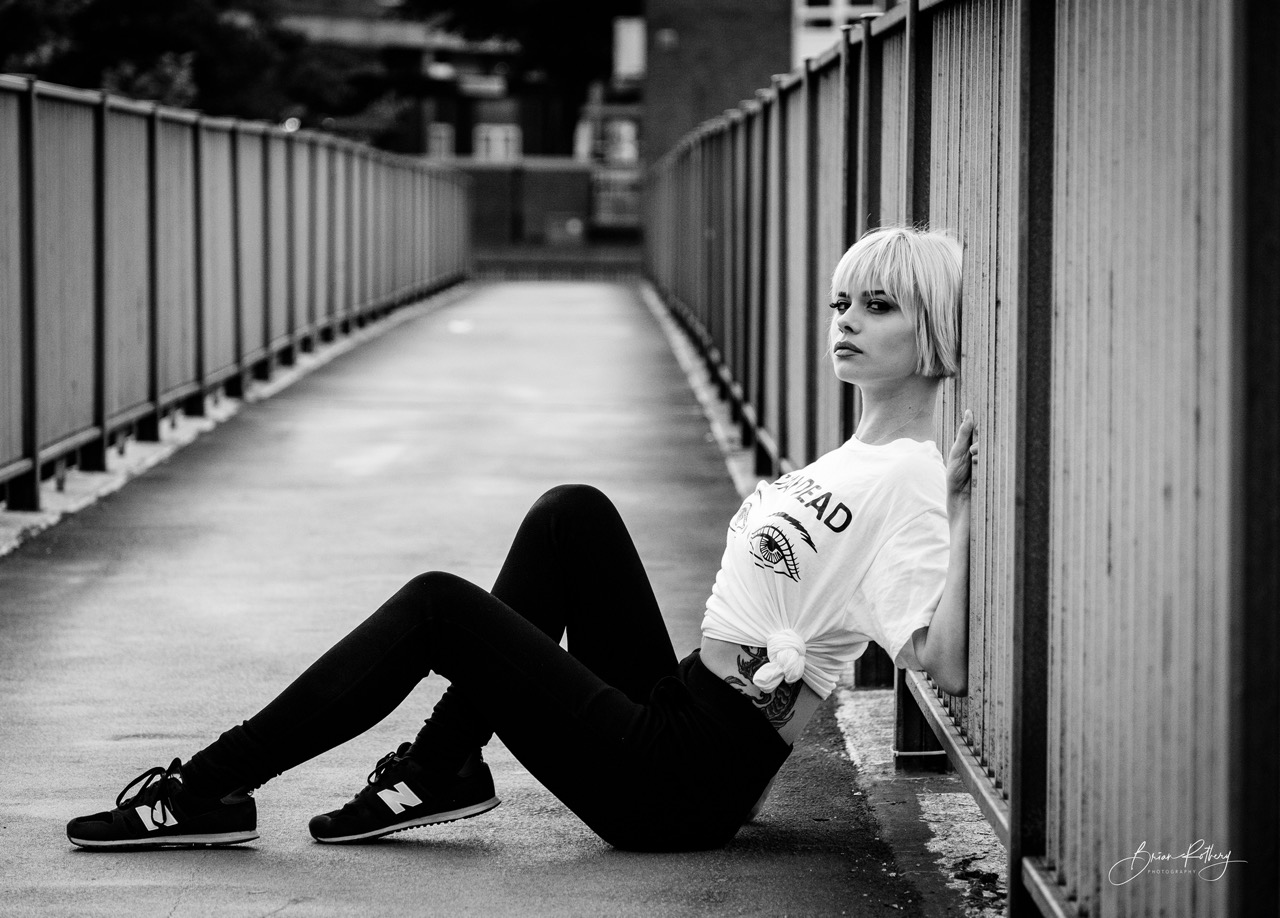

What if a portrait could feel unmistakably like you and still support your personal or professional goals? Finding a creative portrait photographer UK clients can work with is about more than choosing an appealing look. It means shaping images around your character, intended audience and visual identity, so the result feels considered rather than generic or over-posed.
If you’re unsure whether you need a classic portrait, a fashion-led image, an urban setting or personal brand photography, start with what you want the photographs to communicate and where you plan to use them. A thoughtful session brings together purpose, creative direction, setting and styling. Sharing a few clear preferences can help you feel more at ease in front of the camera and give the images a consistent direction.
In this guide, you’ll discover what makes a creative portrait distinctive, how portrait, fashion and urban approaches can support different goals, and what to consider before your session. Photographer Brian Rothery at BR-Photography tailors portrait imagery to each client’s creative needs. The aim is simple: images with purpose that still feel like you.
Key Takeaways
- A creative portrait is shaped by intention, mood and story, offering more expressive possibilities than a straightforward headshot.
- Working with a creative portrait photographer UK clients can collaborate with helps turn a personal or professional goal into a considered visual direction.
- Portrait, fashion, urban and personal brand photography each create a different impression. Match the approach to your intended use.
- A clear purpose, comfortable clothing and a few visual references can help you prepare, even if being in front of the camera feels unfamiliar.
- Brian Rothery and BR-Photography tailor portrait imagery to each client’s creative needs and intended visual identity.
What makes a creative portrait photographer different?
A creative portrait is more than a likeness. It’s an intentional image shaped around a person, a mood or a story. Composition, light, styling and expression work together to guide what the viewer feels and understands. An unusual backdrop alone doesn’t make a portrait creative; each visual choice should support the idea.
Creative portrait photography uses deliberate visual choices to express something distinctive about the person, not simply to show what they look like. That idea might be confidence, warmth, independence or a particular professional identity. The choices can be subtle: a considered angle, soft window light, restrained styling and a relaxed expression may communicate more than an elaborate set. For a useful overview of the wider discipline, see What is portrait photography?
A creative portrait photographer UK clients work with should connect the image’s look to its purpose. A portrait can support professional communication while conveying character alongside role. At BR-Photography, Brian Rothery tailors portrait imagery to each client’s creative needs, bringing the person and intended visual identity into the process.
How does creative portrait photography differ from a standard headshot?
A headshot is usually identification-led: it makes the subject recognisable and presents them clearly for a profile, directory or professional introduction. A creative portrait has a broader brief. Framing might include more of the person’s environment, while expression, light and styling can add personality, atmosphere or narrative. Neither approach is automatically better. Choose according to whether the image needs to identify you quickly, express more of who you are, or do both.
The distinction isn’t a strict boundary. A polished portrait for a business profile can remain clear and professional while feeling personal rather than generic. The difference lies in the intention behind the choices.
Who might benefit from a creative portrait session?
You don’t need to be a professional model to have a visual point of view. A session can help:
- Professionals and entrepreneurs express the values and personality behind their work.
- Performers communicate a particular presence or creative direction.
- Artists create portraits that feel connected to their practice and public identity.
- Anyone seeking a personal portrait mark a change, explore self-expression or simply have an image that feels true to them.
The useful starting point isn’t knowing how to pose. It’s knowing what you’d like the photograph to say. From there, creative direction can make the visual story feel considered and distinctly yours.
How a creative portrait photographer shapes an idea into images
A strong portrait session doesn’t begin with a pose. It begins with a purpose. Clarify what the images need to communicate, then translate that intention into a visual direction. You might want a calm, open mood for a professional profile or a more dramatic, fashion-led feel for an artist’s promotional portraits. This gives each creative decision a reason, rather than relying on visual effects for their own sake.
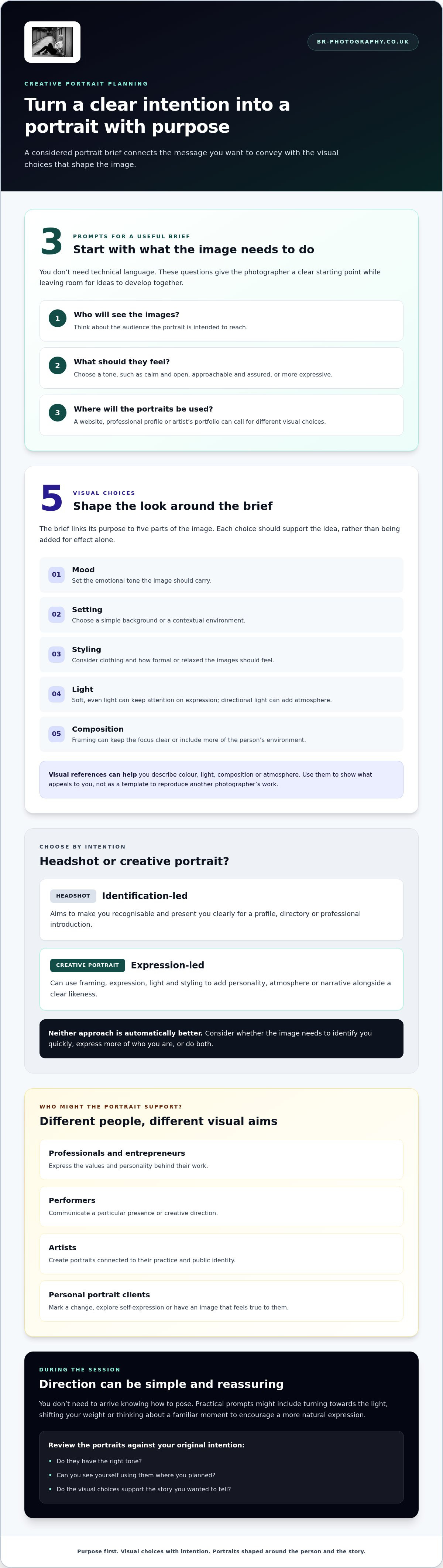
A clear brief links who the portraits are for and what they need to achieve with choices in mood, setting, styling, light and composition. The brief needn’t be technical. A few thoughtful notes can give the photographer a useful starting point while leaving room for ideas to develop together.
What belongs in a creative portrait brief?
Start with three prompts: who will see the images, what should they feel, and where will the portraits be used? A personal brand image for a website may need to feel approachable and assured, whilst a portrait for an artist’s portfolio could be more expressive. These aims guide decisions without locking you into a rigid concept.
Add preferences for clothing, setting and how formal or relaxed you’d like the images to feel. Visual references can help you describe colour, light, composition or atmosphere. Use them to communicate what appeals to you, not as a template to reproduce another photographer’s work. Looking at photography as a creative practice can also help you find language for the images and approaches that resonate with you.
How do direction and collaboration shape a portrait?
During the shoot, direction can be practical and reassuring. You don’t need to arrive knowing how to pose. A photographer might suggest turning towards the light, shifting your weight or thinking about a familiar moment to encourage a more natural expression. Small prompts invite movement and presence without making every gesture feel staged.
Lighting, composition and background should serve the brief. Soft, even light and a simple background can keep attention on expression; more directional light or a contextual setting can create atmosphere and add meaning. Reviewing a portrait photography portfolio can help you notice how different visual approaches shape the story an image tells.
When reviewing the images, compare them with your original intention. Do they have the right tone? Can you see yourself using them where you planned? A creative portrait photographer UK clients work with should use those aims to guide the process while making space for genuine expression and unexpected moments.
If you’re beginning to shape an idea, share your portrait photography goals with BR-Photography as a starting point for the conversation.
Portrait, fashion or urban: which creative portrait style suits your goal?
Choose a visual approach by starting with the impression you want to make, not a label. A portrait can feel direct and personal, fashion-led images can put greater emphasis on styling, and an urban setting can add context. Personal brand photography may draw on any of these approaches to support a professional identity. These categories are useful guides, not rules; a brief can combine them.
| Approach | Visual emphasis | Likely mood | Common intended use |
|---|---|---|---|
| Portrait | Expression, character and connection | Personal, reflective or confident | Personal portraits, profiles and professional communication |
| Fashion | Clothing, styling, pose and visual presentation | Polished, expressive or editorial | Portfolios, editorials and creative campaigns |
| Urban portrait | The relationship between the person and their surroundings | Contemporary, grounded or atmospheric | Environmental portraits and images that benefit from a sense of place |
| Personal brand | Personality, professional identity and context | Approachable, assured or distinctive | Websites, professional profiles and other brand communications |
Use the table to clarify your priorities. If your main aim is to look recognisable and approachable, a simple portrait may be the strongest starting point. If clothing and overall presentation carry the message, fashion-led direction could be more effective. A creative portrait photographer UK clients collaborate with can bring these influences together around the intended outcome, rather than forcing your idea into a single category.
When does a fashion-led portrait make sense?
Choose a fashion-led approach when clothing, styling and deliberate presentation are central to the story. It can suit someone building a portfolio, developing an editorial concept or creating images for a campaign. The aim isn’t to follow a trend for its own sake. A considered silhouette, texture or colour should reinforce the subject’s identity and the brief. Fashion photography is a useful approach when styling has a prominent role in the image.
What can urban portrait photography communicate?
A setting can add atmosphere, context or contrast. An architectural backdrop might give a portrait structure, whilst a more lived-in environment can make a professional image feel connected to the subject’s work or interests. The surroundings should support the person, not compete for attention. Framing, background detail and light help keep the viewer’s focus where it belongs. Urban portrait photography uses environment as part of the visual story.
For a personal brand, an environmental image may communicate something a plain backdrop cannot: a sense of the person in their working world. A close portrait can be part of the same set, giving you variety whilst keeping the images aligned with one visual identity.
How to prepare for a creative portrait session when you feel camera-shy
Feeling awkward in front of a camera is common. It doesn’t mean you’re unsuited to a portrait session, and you don’t need to arrive knowing how to pose. Preparation is less about rehearsing a perfect expression and more about giving the photographer a useful sense of what matters to you. From there, direction and collaboration can help the images feel natural and purposeful.
A little clarity beforehand can make a difference. Think through what the portraits need to do, choose clothes you feel comfortable in, and gather a few references that express the mood you like. The aim isn’t to control every detail. It’s to give the creative process a confident starting point.
What should you decide before the session?
Begin with the primary use: will the portraits appear on a professional profile, a website or somewhere more personal? Then consider the impression you’d like them to leave, such as warm, thoughtful or assured. That gives styling and setting a clear purpose. Choose clothing that feels like you and supports the mood, rather than an outfit that looks impressive but makes you self-conscious.
Gather a small selection of visual references and note what appeals about each: perhaps the lighting, colour, framing or atmosphere. You can also jot down questions about the process, clothing or how much direction to expect.
How can you feel more at ease in front of the camera?
Give yourself permission to settle in. Take a slow breath, loosen your shoulders and allow small movements between frames instead of holding one pose. A photographer can offer simple prompts, such as shifting your weight or turning towards the light, rather than expecting you to produce a perfect pose on demand.
Speak openly about what feels comfortable, what you’d rather avoid and how confident you feel. That information helps shape a session around you. You can pause, reset your posture or take a moment between frames. A portrait is a collaboration, not a test.
Before the session, use this simple preparation sequence:
- Set an intention: Name the main purpose and the feeling you want the images to convey.
- Plan your clothing: Choose pieces you feel at ease wearing and that suit the intended mood.
- Collect references: Save a few examples and write down the details that draw you to them.
- Note your questions: Include anything that would help you understand the creative direction or feel more prepared.
- Be honest about nerves: You don’t need to hide camera-shyness; sharing it can help the photographer guide you thoughtfully.
At BR-Photography, photographer Brian Rothery shapes portrait imagery around each client’s creative needs. If you’re feeling unsure, that’s useful context to bring into the conversation, not a reason to put off planning. Discuss your portrait goals with BR-Photography and begin shaping an approach that feels comfortable and true to you.
BR-Photography: creative portrait photography shaped around your story
A portrait should feel connected to the person in it, not simply reproduce a look that happens to be popular. At BR-Photography, photographer Brian Rothery creates portrait, fashion, urban portrait and personal brand imagery tailored to each client’s creative needs. The starting point is your story and the identity you want the photographs to express.
A personal process doesn’t have to be directionless. Your intended audience and use help shape the visual choices, from the mood and setting to the balance between expressive detail and a clear, confident portrait. The result can be distinctive whilst still feeling relevant to where and how you plan to use it.
Learn more about photographer Brian Rothery and his approach to portrait work. A portrait photography portfolio can also help you consider which visual qualities feel right for your aims, such as a direct gaze, considered styling or a sense of place.
What does a tailored portrait brief make possible?
A tailored brief connects your goals with a considered choice of style, mood and visual emphasis. If you’re building a professional identity, for instance, personal brand imagery can balance approachability with authority and create a consistent impression across your website and professional profiles. The brief helps distinguish what’s essential from what’s merely decorative, so the images support your identity rather than distract from it.
It also leaves room for individual expression. You might favour a clean, composed portrait for one purpose and a more environmental or fashion-led image for another. These approaches can sit together when there’s a clear idea connecting them. Your preferences and intended use guide the visual direction, whilst the photographer brings creative judgement to how that direction is realised.
What is the next step towards your creative portraits?
Begin with a few useful details: who the images are for, where you expect to use them and what you’d like people to understand about you. Add any preferences about mood, setting or styling, even if you’re still exploring possibilities. You don’t need a fully formed concept. A creative portrait photographer UK clients work with can use those starting points to develop a direction with you.
BR-Photography’s portrait work is shaped around the person as well as the purpose of the images. Whether you’re considering a personal portrait or visual storytelling for your professional identity, a conversation can help clarify what matters and how different approaches might support it.
Ready to explore an idea? Discuss the portrait story you’d like to create with BR-Photography and take the first step towards imagery that feels considered, purposeful and true to you.
Make your next portrait a purposeful step forward
The right images can help you show up with greater clarity, whether you’re refreshing your professional presence or creating a portrait for yourself. You don’t need every detail decided before you begin. A sense of what you want the images to make possible is enough to start shaping a direction that feels considered, relevant and genuinely yours.
Choosing a creative portrait photographer UK clients can collaborate with means making space for both intention and discovery. Bring the questions you’re still working through, the feeling you hope to convey and any ideas you’d like to explore. Those first thoughts can become the foundation for portraits with a clear purpose and a visual identity that feels authentic.
Start a conversation about your portrait ideas with BR-Photography and take the next step towards images that reflect where you are going. You can begin with a single thought, then build from there.
Frequently Asked Questions
Can a creative portrait be photographed in black and white?
Yes, black and white can be a strong creative choice when the image’s impact depends on light, shadow, expression or texture. Without colour, details such as the shape of a shadow or the contrast between fabrics may draw more attention. It isn’t automatically more artistic or timeless, though. If colour carries meaning in your clothing, brand or personality, keeping it may communicate more.
Do creative portraits have to look posed?
No, portraits can feel candid, composed or deliberately stylised. Rather than memorising poses, decide what impression you want to give, then share that with your photographer. A creative portrait photographer UK clients collaborate with can use gentle prompts, such as asking you to turn, walk a few steps or pause between movements, to help create natural-looking moments without losing a considered composition.
How often should I update professional portrait photographs?
There’s no universal timetable. Review your photographs when your appearance, role, brand identity or intended audience changes, and ask whether the images still represent the work you want to attract. For example, a new specialism may call for portraits that better reflect your current expertise. It’s also useful to check images across your website and professional profiles together, so an outdated photograph doesn’t create a mismatch.
Can one portrait session create images with different moods?
Yes, a session can explore more than one mood if you identify your priorities during planning. You might want an assured portrait for a professional profile and a more relaxed feel for another use. Varying expression, framing or styling can add range; agreeing on what matters most helps keep the images connected. Decide which mood is essential, then treat other directions as complementary possibilities.
Should a creative portrait show my work as well as me?
Only if showing your work helps tell the intended story. A musician might include an instrument, whilst a maker could be photographed in a workspace; either detail can add useful context. Keep the person visually central, and consider whether the object or setting clarifies your role for the viewer. If it draws attention away from you without adding meaning, a simpler portrait may communicate more.
How do I make portrait images work across different digital platforms?
Plan for the places you’ll use each image, since profile pictures, website banners and editorial layouts may crop photographs differently. Tell your photographer which placements matter most and whether you prefer a close crop or more surrounding space. Once you have the images, preview them in their intended positions, including at small display sizes. This helps you spot awkward crops before updating your profiles or website.
Disclaimer
"The information provided in this Blog post is for general informational purposes only. While I strive to provide accurate information, I make no representations or warranties of any kind about the accuracy, reliability, or completeness of this information. Any reliance you place on such information is strictly at your own risk. In no event will I be liable for any loss or damage derived from the use of this blog."


