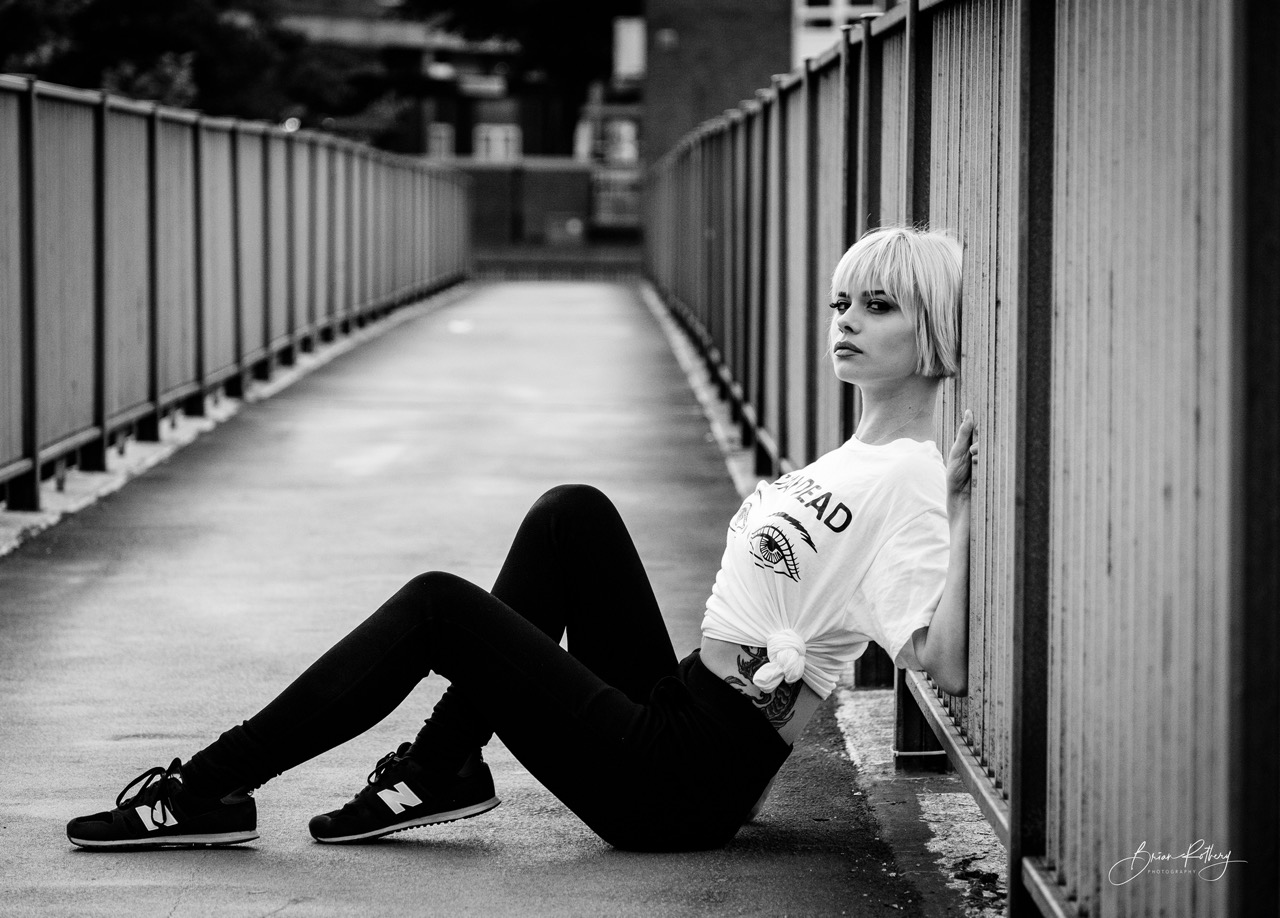

If you’re searching for a portrait photographer, start by considering what you need the images to do. The right portrait isn’t necessarily the one with the most dramatic lighting. It’s the one whose style and purpose fit your needs, whether it’s for a professional profile, a personal brand or a creative project. It’s also natural to feel awkward in front of the camera, and a portfolio alone may not show how a photographer guides a shoot.
A considered session begins with a clear brief, not a pose. This guide will help you define the purpose of your portraits, compare approaches and prepare to contribute to a visual concept that feels authentic. You’ll also learn how location, lighting and retouching shape the final images, and what to look for in a photographer’s process beyond the photographs themselves.
From the initial concept call through the shoot and image delivery, a collaborative workflow with BR-Photography can make the experience feel more manageable and the results more purposeful. You don’t need to arrive knowing how to pose. You need a direction that feels like you.
Key Takeaways
- Start with where and how you’ll use your portraits, so the brief guides the style rather than the other way round.
- Consider how location, available light and professional lighting can shape an image’s mood and visual character.
- Compare natural, editorial, fashion-led and urban approaches by looking for portfolio examples that match your purpose.
- Look beyond finished images to understand whether a photographer’s creative process suits your brief.
- Prepare by gathering visual references and sharing your preferences for mood, setting and how you want to be represented.
What makes portrait photography feel purposeful rather than posed?
A portrait can look polished and still miss the point. The difference is intention. Portrait photography centres on a person and serves a personal, creative or professional purpose. That purpose informs the choices behind the frame, from expression and composition to clothing, background and light.
A purposeful portrait is a considered image of a person, with its composition and setting shaped by what the photograph needs to communicate. That’s why a useful brief begins before choosing a location or visual style. A quiet, personal image may call for a different mood from a portrait introducing a professional to prospective clients, or a fashion image designed to present clothing and creative direction. For a broader overview of the medium’s history and approaches, see Portrait Photography on Wikipedia.
What do you want your portraits to communicate?
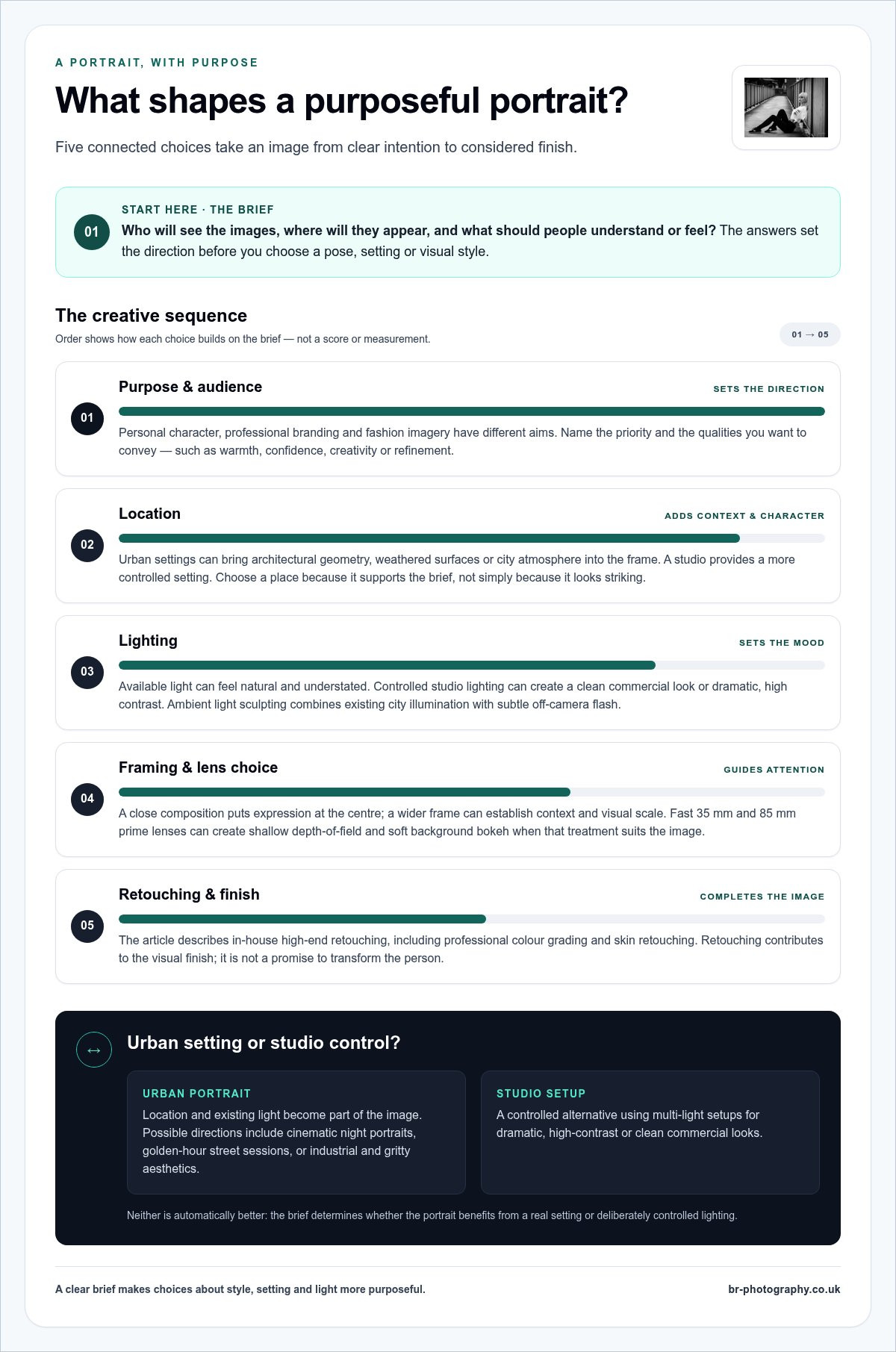
Begin with three questions: who will see the images, where will they appear, and what should people understand or feel when they do? Your answers give the creative discussion a clear starting point. They help the photographer shape the brief around more than a preferred pose or backdrop.
A personal portrait might focus on character, presence or a particular creative identity. A professional branding brief has a more specific audience and role: the photographs may introduce you across a website and other business communications. Fashion imagery has a different emphasis, with styling, clothing and the overall visual concept taking the lead. These aims can overlap, but they aren’t interchangeable. Naming the priority helps prevent a session from becoming a collection of attractive images without a clear function.
You don’t need to arrive with a complete visual plan. A few words about the qualities you want to convey, such as warmth, confidence, creativity or refinement, can guide decisions about expression, framing and setting. They also give you a practical way to discuss what feels authentic, particularly if being photographed feels unfamiliar.
Which portrait approach suits the brief?
Portrait photography is a broad approach to individual portrait imagery. Your brief might favour a straightforward, character-led image or a more editorial treatment. The right direction depends on who you are and how the photograph will be used. Personal Branding Photography focuses on professional branding portraits for individuals and professionals, aligning the images with how they want to present themselves in a business context.
Fashion Photography serves a distinct creative and commercial purpose. It can be developed for editorial, high-fashion, lookbook, street-style, runway and campaign work, where clothing, styling and visual direction are central. Explore the fashion photography portfolio to see examples of this approach.
Think of these as different tools, not a ranking. The photographer’s task is to understand the intended use and shape the visual approach around it. Once you can describe the audience, purpose and qualities you want the images to express, choices about setting and style become more focused and purposeful.
How location, lighting and framing shape a modern portrait
A setting isn’t just a background. Its lines, textures and light all influence how a person appears in the frame. An urban portrait might use architectural geometry or a weathered surface to create an editorial feel, while a minimalist architectural backdrop can keep attention on expression, styling and shape. Location scouting connects the setting to the brief, rather than choosing a place simply because it looks striking.
Light sets the mood. Available light can feel understated and natural, while more controlled illumination can create sharper contrast and a more defined visual statement. BR Photography uses ambient light sculpting, combining existing city illumination with subtle off-camera flash to shape the subject while retaining the atmosphere of the surroundings. This balances the person and the setting instead of making the subject appear detached from the scene.
Framing gives that balance structure. A close composition can make expression central, while including more of the environment can establish context and visual scale. BR Photography uses fast 35 mm and 85 mm prime lenses for shallow depth-of-field and bokeh, allowing the background to fall softly out of focus when that treatment suits the image. Lens choice supports the composition; it doesn’t replace a clear idea of what the portrait should convey.
What changes between an urban portrait and a studio setup?
Urban Portrait Photography uses location and existing light as part of the visual setting. The look might draw on cinematic night portraits, golden-hour street sessions or industrial and gritty aesthetics. Each direction brings a different mood, so location and light are considered together rather than treated as separate decisions. Explore urban portrait photography to see how an environment can contribute to an editorial-style image.
A studio offers a more controlled alternative. BR Photography uses advanced multi-light studio setups for dramatic, high-contrast or clean commercial looks. Choosing between urban and studio photography isn’t about which is better. It’s about whether the brief benefits from the character of a real setting or a deliberately controlled lighting arrangement.
How does retouching contribute to the finished image?
Retouching is part of the image’s visual finish, not a promise to transform the person in it. BR Photography carries out high-end retouching in-house, including professional colour grading, skin retouching and fabric texture enhancement. These techniques help bring the image into line with its intended treatment, from a restrained, natural finish to a more polished editorial look.
For a cohesive result, the setting, light, framing and post-production should support the same creative direction. If you have an urban setting or lighting mood in mind, share your portrait concept through the contact form as a starting point for the creative discussion.
How to compare portrait photographers by style and process
A strong portfolio shows more than whether individual photographs look striking. It helps you judge whether a photographer can create images suited to your purpose, and whether their visual decisions feel consistent across relevant work. When choosing a portrait photographer, look for a clear connection between the images and the brief, not simply the ability to reproduce a favourite pose or effect.
Use this comparison as a starting point, not a ranking. Natural, editorial, fashion-led and urban approaches each serve different intentions.
| Portrait purpose | Visual approach | Useful portfolio evidence |
|---|---|---|
| Personal portrait | Natural, character-led expression and framing | Varied, believable expressions and a finish that feels true to the subject |
| Professional profile or personal brand | Polished imagery aligned with a professional identity | Consistent lighting and composition across images with a clear sense of presence |
| Fashion or editorial brief | Styling, shape and visual concept take a leading role | Thoughtful use of clothing, framing, colour and post-production |
| Distinctive location-led portrait | Urban surroundings contribute to the atmosphere | Intentional use of architecture, available light and setting |
Look across several relevant examples. Do the lighting, composition and finish feel considered and coherent, even when the setting or subject changes? Notice how the photographer uses framing, light, location and post-production, not only the subject’s pose. The portrait and fashion portfolio offers examples to help you assess these creative choices.
Which portfolio details reveal a creative fit?
Compare images with the use you have in mind. A professional profile image may need a clear, assured presence, while a more expressive portrait might benefit from atmosphere and a looser composition. Notice whether the subject appears at ease, but look beyond that too. Assess how light shapes the face, how the frame directs attention and whether the setting supports the image’s purpose.
Consistency matters more than a single dramatic photograph. A useful portfolio gives you clues about the photographer’s visual judgement and finishing style across different examples. If you’re drawn to a particular image, identify why: is it the contrast, colour, setting or expression? Naming those details gives your creative discussion something specific to build on.
When is an urban portrait approach the right choice?
An urban approach can suit you if you want the surroundings to add atmosphere and character. Cinematic night portraits can feel dramatic, golden-hour street sessions can offer warmth, and industrial aesthetics can bring a grittier edge. Location scouting helps shape the concept by matching the environment’s lines, textures and light to the mood you’re aiming for.
During a concept call, share what you like and what you want to avoid. A clear brief gives the photographer a chance to respond to your intended direction, discuss how the location could support it and align on the overall visual treatment before the shoot. That conversation reveals more about creative fit than images alone.
How to prepare for a portrait photography session
Preparation isn’t about learning how to pose or arriving with every detail decided. It’s about giving the shoot a clear direction and making space to discuss what matters to you. A shared understanding helps shape the session around your intended images, preferences and the way you want to be represented.
Use this sequence to turn an initial idea into a practical brief:
- Define the image use. Note where the photographs will appear and who they need to speak to. A professional profile, personal project and fashion-led brief each call for different choices.
- Gather visual references. Save examples that help convey mood, colour, framing, setting or styling. Use them as prompts for discussion, not templates you expect to copy exactly.
- Discuss the concept. Share the qualities you want the images to express, such as warmth, confidence or creativity, and talk through any concerns about posing or presentation.
- Prepare for the shoot. Consider clothing and personal presentation in relation to the brief, setting and visual direction you’ve agreed.
What should you include in a portrait brief?
A useful brief covers the intended audience, image use and creative direction. Mention whether you’re planning to use the portraits for professional communications, a personal purpose or a fashion concept. Then describe the mood and setting you’re drawn to, alongside anything you’d prefer to avoid. These details turn broad preferences into practical creative decisions.
References can make an idea easier to explain, even if you can’t yet describe it in photographic terms. You might point to the light, colour palette or framing in an example, rather than treating the whole image as a fixed model. BR Photography’s workflow includes a concept call, giving you space to discuss the brief and agree on a direction before the shoot. You don’t need to have all the answers; being clear about what feels right is a valuable start.
How can you feel more prepared on shoot day?
Choose clothing with the intended imagery in mind. Consider how its colour, shape and texture fit the concept and setting, and select options that feel like a genuine representation of you. If you’re uncertain, raise it during the concept discussion rather than feeling you must resolve every choice alone.
It’s normal to have questions about posing, location or how you’ll come across in the finished portraits. Share those concerns early. Clear communication gives the photographer useful context and helps keep the creative process collaborative. You don’t need to arrive experienced in front of a camera.
The workflow moves from the concept call to an on-location shoot, followed by publication-ready image delivery. If you’re ready to shape your brief, send your portrait photography enquiry through the contact form and begin the conversation about your intended use and creative direction.
What to expect when working with BR Photography
Working with a portrait photographer involves more than arriving for a camera-ready moment. BR-Photography’s process connects your initial request with a considered creative brief, an on-location shoot and publication-ready image delivery. Each stage keeps the intended use and visual direction in view, so the portraits are developed as purposeful images rather than isolated poses.
Photographer Brian Rothery leads the work, bringing an editorial-style approach to portraits shaped around each client’s brief. Location, lighting and finishing choices all contribute to that direction. You’ll have the opportunity to explain what you want the images to communicate and share preferences about how you’d like to be represented.
How does a portrait project move from enquiry to images?
The contact form is the starting point for submitting a request. From there, the concept call provides an opportunity to discuss your brief, intended use and creative direction. It’s a practical time to share visual references, talk through the mood you have in mind and raise questions before the shoot.
The workflow continues with an on-location shoot, followed by publication-ready image delivery. This takes the project from initial idea to finished visual asset, with the creative direction established before the camera comes out.
How does BR-Photography shape portraits around the brief?
Location scouting helps identify settings that support the concept, including urban locations and minimalist architectural backdrops suited to editorial-style imagery. The environment becomes part of the composition, whether you want a pared-back setting or a stronger sense of place. Professional lighting is shaped around the intended look to help define the mood and how you appear within the frame.
BR-Photography uses fast 35 mm and 85 mm prime lenses. Combined with considered framing and lighting, these tools support portraits with depth and visual character. The creative decisions aren’t there for effect alone; they’re chosen to serve the brief. You can learn more about the photographer’s creative approach and the thinking behind the work.
Finishing matters too. High-end retouching is carried out in-house, including professional colour grading, skin retouching and fabric texture enhancement. These techniques refine the image in line with its intended visual treatment and keep the overall result connected to the concept developed with you.
A useful starting point is a simple description of what the portraits are for and how you want them to feel. If you’re ready to discuss a portrait project, visit the contact page to submit your request and begin shaping the brief with BR-Photography.
Give your next portrait a clear direction
The next step isn’t to perfect every detail. Start with the idea you want your portraits to carry, then let the creative conversation develop it into a considered visual direction. Treat the images as part of how you present yourself, not simply as a record of how you look today.
BR Photography brings editorial-style photography together with urban locations and professional lighting, then refines the images through in-house colour grading, skin retouching and fabric texture enhancement. The process, from your contact form request and concept call to the on-location shoot and publication-ready images, gives the project a purposeful path from idea to finished asset.
You don’t need a perfect brief to begin. Bring an intention, a few preferences and an open mind; the creative direction can take shape through collaboration. Discuss your portrait photography brief and take the first step towards portraits that feel considered, personal and true to you.
Frequently Asked Questions
Do I need experience posing for a portrait photography session?
No, previous experience in front of a camera isn’t a prerequisite. If you’re unsure what to do with your hands or how you’d like to be framed, mention it during the concept call. You can also describe the kind of expression or overall look you prefer, such as relaxed, composed or more expressive. A clear brief gives the shoot a useful starting point without requiring you to arrive with poses prepared.
What should I wear for a portrait photography session?
Choose clothing that suits the images’ intended use and creative direction, rather than following a fixed wardrobe formula. Consider whether its colour and texture will complement the planned setting and mood, and whether the garments feel right for how you want to be represented. If you’re choosing between outfits, bring the question into the brief discussion so your clothing and visual direction can work together.
Can portrait photographs be used for professional branding?
Yes. Personal Branding Photography creates professional branding portraits for individuals and professionals. A useful brief can identify the people you want the images to speak to and the qualities you want your visual identity to convey, such as approachability or authority. Discuss those priorities during the concept call, before the shoot. The aim is to shape imagery around your brief, not to promise a particular business result.
What is the difference between an urban portrait and a studio portrait?
The main difference is how setting and lighting contribute to the image. Urban Portrait Photography uses location-led settings, from cinematic night portraits and golden-hour street sessions to industrial or gritty aesthetics. A studio removes the surrounding environment from the visual equation and allows lighting to be arranged deliberately. BR Photography uses advanced multi-light studio setups for dramatic, high-contrast or clean commercial looks, making each approach suited to a different visual direction.
How are portrait photographs retouched?
BR Photography performs high-end retouching in-house. The finishing work includes professional colour grading, skin retouching and fabric texture enhancement. These elements can bring colour, skin detail and clothing texture into line with the image’s intended look. Retouching is a considered finishing stage, not a promise of a particular change to your appearance. The treatment reflects the brief rather than applying an identical edit to every portrait.
What happens after I submit a portrait photography enquiry?
After you submit a request through the contact form, the next stage is a concept call to discuss the project. The process then continues with an on-location shoot, followed by publication-ready image delivery. Use the initial request to explain what the portraits are for and share the creative direction you have in mind. The call gives you another opportunity to discuss the concept before the shoot.
Disclaimer
"The information provided in this Blog post is for general informational purposes only. While I strive to provide accurate information, I make no representations or warranties of any kind about the accuracy, reliability, or completeness of this information. Any reliance you place on such information is strictly at your own risk. In no event will I be liable for any loss or damage derived from the use of this blog."


