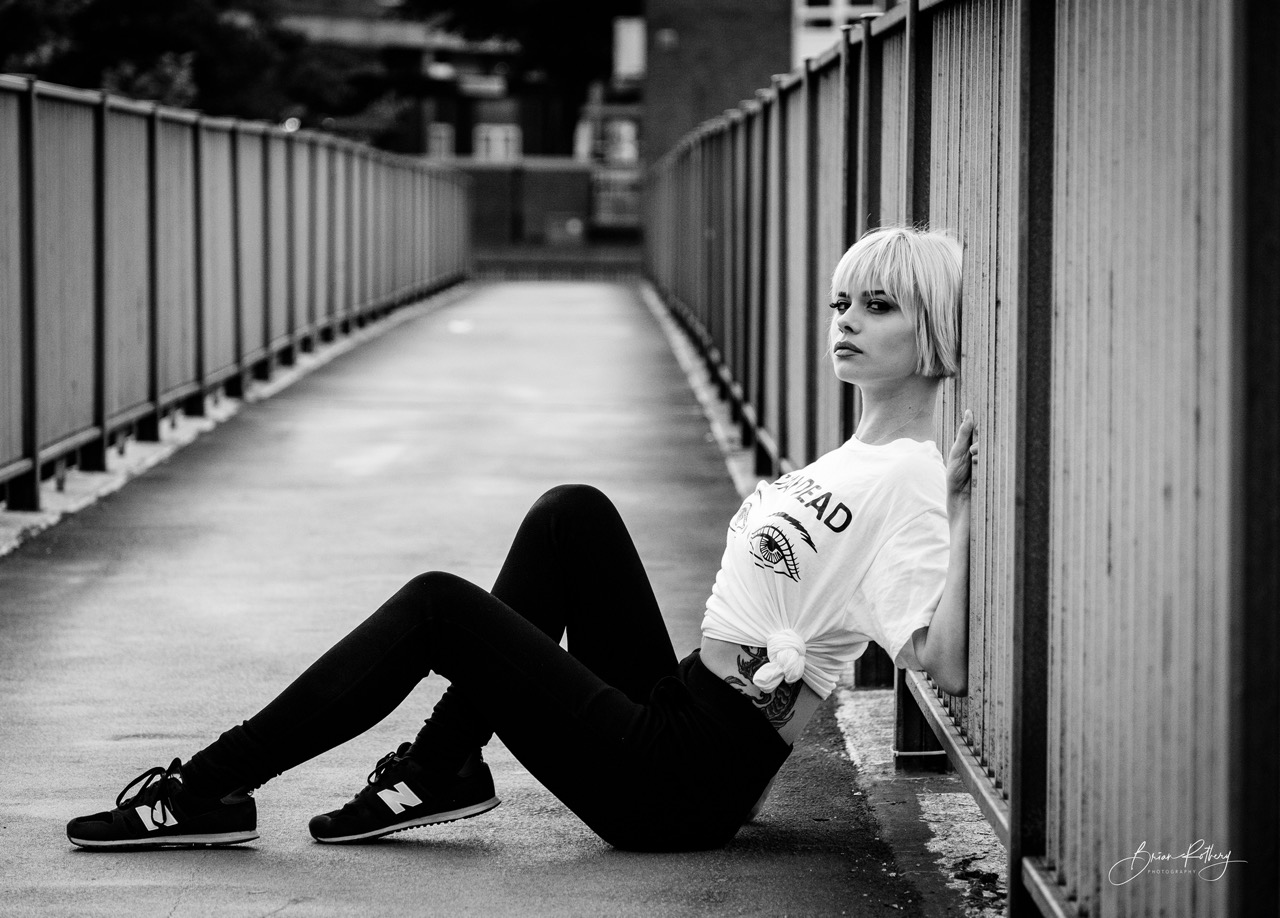

A striking fashion image still needs to serve a purpose. If it doesn’t express what your brand stands for or support the campaign or portfolio it’s intended for, visual impact alone isn’t enough. If you’re searching for a professional fashion photographer, start by thinking about the message your images need to convey. A clear brief helps turn a creative idea into a visual direction.
You may already have a mood board but be unsure how to turn it into a workable shoot brief. Or you may be concerned about feeling comfortable in front of the camera or directing a shoot for the first time. These are useful things to raise early. A thoughtful, collaborative process can clarify the concept, practical requirements and priorities before photography begins.
This article explains how fashion photography brings concept, styling and composition together to create a purposeful visual identity. You’ll find practical advice on preparing a brief, reviewing a photographer’s work, collaborating during the shoot and choosing images for a campaign, brand or portfolio.
Key Takeaways
- Set the purpose of your images first, whether they’re for an editorial, campaign or portfolio, so creative choices have a clear direction.
- Use a mood board to communicate the atmosphere and visual references you like, while developing an original concept.
- When reviewing a fashion photographer’s portfolio, look at how images tell a story and suit your intended use, not only at individual standout shots.
- Prepare your brief, wardrobe and image-use plans in advance, and share preferences or concerns before the shoot.
- See how Brian Rothery and BR-Photography shape fashion imagery around each client’s creative needs.
What does a fashion photographer do, and what should the images achieve?
Fashion photography is planned image-making, not simply a well-lit portrait with carefully chosen clothes. The aim might be to explore an editorial idea, support a commercial campaign or present a model’s range in a portfolio. Styling, setting, lighting, pose and the sequence of photographs are considered together, so the images feel connected and suit their intended use.
Fashion photography turns a creative concept into a directed visual story, shaped for a specific audience and purpose. A portrait may focus on one person and a particular expression. A fashion shoot can use clothing, accessories, composition and a series of frames to communicate a wider mood or identity. For context on the genre’s development and purpose, explore this overview of the history and definition of fashion photography.
Fashion editorial, campaign and portfolio photography
Each format has a different job. An editorial can build a visual narrative around an idea, using a sequence of images to create atmosphere and invite interpretation. Campaign photography follows a brand or collection brief, with styling and composition guided by what the intended audience needs to understand. Portfolio images give a subject a considered way to show their range, presence and visual identity.
These purposes call for different decisions. A portfolio may need variety in expression and pose, while an editorial may prioritise continuity between frames. Campaign images should feel distinctive and make sense within the brand’s wider communication. Before planning, identify which of these outcomes matters most, as that will help guide the shoot and image selection.
Why the brief matters as much as the aesthetic
A strong aesthetic catches the eye. A clear brief helps it communicate something useful. Consider who will see the photographs, where they’ll appear and what you want viewers to take away. Images for a website, a portfolio and a campaign may need different framing, energy and visual detail, even if they share a consistent identity.
For example, a brand introducing a clothing range might need the cut and texture of each look to read clearly, alongside a mood that feels true to its identity. A portfolio might instead need variety across poses and styling to communicate versatility. Naming the objective early gives the photographer and client a shared reference for choices about composition, setting and the final selection. Without that direction, a shoot can produce attractive individual frames that don’t work together.
When assessing a fashion photographer, look beyond striking individual images. Consider whether the work shows considered direction across different types of project. BR-Photography, led by Brian Rothery, creates fashion imagery for editorials, commercial campaigns and personal portfolios, tailored to each client’s creative needs. The fashion photography portfolio offers examples to assess for mood, consistency and storytelling. Use what you notice to clarify what your own images should communicate before planning the creative direction.
How creative direction turns a fashion idea into a coherent shoot
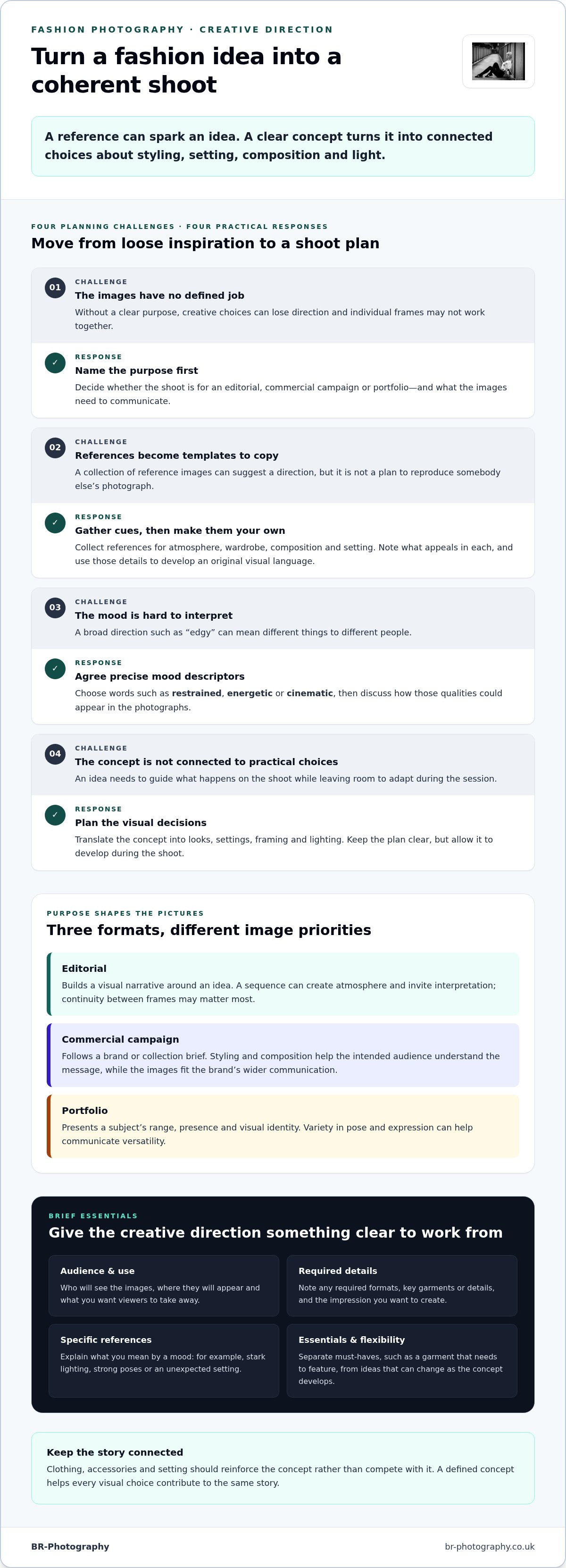
A reference image can spark an idea, but it isn’t a shoot plan. Creative direction turns that starting point into a practical framework for decisions about styling, setting, composition and light. The aim isn’t to reproduce another photographer’s image. It’s to identify what appeals to you and develop an original visual language suited to your purpose.
A defined concept makes fashion images feel cohesive because every visual choice contributes to the same story. A mood board can help align the people involved by bringing together references for colour, silhouettes, settings, poses or lighting. Use these as prompts, not templates. For wider context, the Getty Museum explores the evolution of fashion photography styles and practitioners, showing how visual approaches change over time.
A clear planning sequence keeps the idea connected to the finished images:
- Define the purpose. Establish whether the shoot is for an editorial, commercial campaign or portfolio, and what the images need to communicate.
- Gather references. Collect visual cues for atmosphere, wardrobe, composition and setting. Note what you like about each rather than asking to recreate it.
- Agree the mood. Choose precise descriptors such as restrained, energetic or cinematic, then discuss how those qualities could appear in the photographs.
- Plan the shoot. Turn the concept into practical decisions about looks, settings, framing and lighting, while leaving room to adapt during the session.
Build a useful fashion photography brief
Start with the audience and intended use. A campaign for a website may need different crops and compositions from a printed editorial or a model’s portfolio. Note any required formats, key garments or details, and the impression you want the viewer to take away.
Use references to explain the mood clearly. Instead of writing “make it edgy”, say whether you mean stark lighting, strong poses or an unexpected setting. Separate essentials, such as a garment that must feature, from flexible ideas that can change as the concept develops. This gives the photographer direction without making the shoot feel rigid.
Align styling and visual storytelling
Clothing, accessories and setting should reinforce the concept rather than compete with it. A simple backdrop can draw attention to silhouette and fabric. A more expressive setting may add narrative, provided it supports the intended mood. Composition and lighting guide the viewer’s attention, while variety in framing and pose keeps a sequence engaging without losing its visual thread.
BR-Photography tailors fashion work to each client’s creative needs, with projects spanning editorials, commercial campaigns and personal portfolios. Explore the fashion photography work to see how direction can shape a shoot. If you’re developing an idea, share your fashion photography brief.
How to assess a fashion photographer’s portfolio and approach
A portfolio is more than a collection of striking photographs. Look at how the images work together: does the styling support the concept, does the composition guide your attention, and does the sequence feel intentional? Consistency doesn’t mean every frame must look the same. Strong work can vary in pose, setting and mood while still showing a recognisable approach.
Consider the purpose of each example, too. Editorial, campaign and portfolio shoots have different priorities, so compare work with your own project in mind rather than expecting one image to demonstrate every skill. A useful portfolio gives you clues about how a photographer approaches the type of images you need.
What a fashion portfolio can reveal
Explore complete sets where possible, not just a few standout frames. Notice whether the photographs develop an idea, whether wardrobe and setting feel considered, and whether changes in framing add interest without disrupting the story. BR-Photography’s fashion photography portfolio offers work to review for visual coherence and range. You can also consider how a photographer describes their process and professional development; the Society of International Fashion and Glamour Photographers shares information on professional standards and development in fashion photography.
Match the photographer’s approach to your project
Start with the images you need, then look for evidence that the photographer’s visual strengths suit that purpose. A campaign needs photographs that express a clear brand idea. A portfolio benefits from range, expression and distinctive character. An editorial calls for narrative flow and room for creative experimentation. These disciplines are related, but they don’t produce interchangeable results.
Use this comparison to focus your review:
| Project need | Useful portfolio evidence |
|---|---|
| Commercial campaign | Images that communicate a clear brand mood and present garments with intention. |
| Personal portfolio | Varied poses, expressions and styling that show range without losing visual identity. |
| Fashion editorial | A sequence with a narrative thread, considered styling and creative choices that build atmosphere. |
As you compare examples, ask whether you can picture the work serving your brief, not simply whether you like one photograph. A portfolio should show a recognisable point of view alongside the ability to shape images around a project’s aims. Look for that balance of signature style and adaptability. It can show you how the photographer’s approach might support your own ideas.
How to prepare for a fashion photography shoot with confidence
Preparation doesn’t mean rehearsing every pose or arriving with a perfect creative vocabulary. It means sharing enough information for everyone involved to make thoughtful decisions, while leaving space for ideas to develop. A clear plan can also make a first shoot feel more manageable, especially if you’re unsure what to expect in front of the camera.
Before the shoot, bring together the essentials:
- Brief: Sum up the project’s central message and the audience you want to reach.
- References: Gather examples that communicate mood, colour, styling or composition, and note what you like about each.
- Wardrobe: Plan clothing and accessories around the agreed concept. Consider how each look supports the story and whether any details need particular attention.
- Image use: List the photographs you need, the formats that matter and the channels where you intend to use them, such as a portfolio, website or campaign.
What to organise before the shoot
Use your brief to distinguish must-haves from possibilities. A key outfit or a particular type of portrait might be essential, while a specific pose or setting could remain flexible. This helps the photographer prioritise the shots that matter without ruling out creative alternatives. Organise these details ahead of the session so the conversation can focus on the project rather than recalling requirements on the spot.
How collaboration supports natural, confident images
If being photographed feels daunting, say so before the session. You can also share what you feel comfortable wearing, how much direction you prefer and whether there are expressions or poses you’re unsure about. This isn’t a test of performance. It’s useful creative information that helps the photographer shape an approach around you and the purpose of the images.
Clear direction makes the process easier to follow. Rather than being expected to know what to do, you can be guided through adjustments to posture, gaze or movement, then discuss what feels right. Small changes can be explored together; you don’t need to arrive knowing your “best angle”. Confidence can grow through communication and collaboration, without pressure to perform.
A practical final check can help you feel ready:
- Confirm the key looks and any accessories that complete them.
- Keep your brief and references easy to access.
- Share any preferences, questions or concerns before photography begins.
- Revisit the intended image use so the essential frames stay in focus.
BR-Photography, led by Brian Rothery, creates fashion photography around each client’s creative needs, from editorials and commercial campaigns to personal portfolios. If you’re preparing a shoot, discuss your fashion photography brief.
Work with BR-Photography on fashion images shaped around your brief
Fashion imagery is at its strongest when a clear creative idea meets a clear purpose. At BR-Photography, photographer Brian Rothery works with clients to shape fashion photographs around what they need to communicate, whether that’s an editorial, a commercial campaign or a personal portfolio. The process is collaborative. You might begin with a developed concept, a few visual references or simply a sense of the mood you want to create.
A search for “fashion photographer Leeds” may begin with a particular aesthetic, but the images still need to serve the project. Consider the audience, intended use and central message, then use those priorities to guide the creative direction. Styling, setting, composition and the feel of the finished images can be developed as parts of one connected brief rather than separate decisions.
A tailored approach to fashion and portrait imagery
Each commission has its own priorities. An editorial can make room for a visual narrative, commercial campaign photographs need to express a brand idea, and personal portfolio images can focus on range and individual character. The creative approach is shaped around those needs, helping the imagery feel distinctive and relevant to its intended audience.
An urban aesthetic can also add context and character to fashion photography when it supports the concept. Explore BR-Photography’s urban portrait photography to see how environment can contribute to portrait-led imagery. The setting should serve the story, not distract from the subject or the clothes.
Take the next step with a clear brief
You don’t need a finished production plan to begin. A useful first brief can be concise. Outline what the project is for, who you want to reach and how you expect to use the images. Then share any visual references, preferred mood, key garments or details, and what you’re still deciding. If being photographed feels unfamiliar, mention that too. It can help make the creative conversation more comfortable from the outset.
These starting points give Brian a clearer understanding of your intentions while leaving room to refine the concept together. You can bring a detailed mood board or a handful of ideas that need developing. Either way, the focus is on making considered photographs that fit the brief and have a practical role in your campaign, editorial or portfolio.
When you’re ready to develop your idea, share your fashion photography brief with BR-Photography. Include the project, audience and intended image use, along with any references, to start shaping a visual direction.
Give your next fashion idea a clear direction
The strongest starting point isn’t a perfect plan. It’s a sense of what you want your images to say and where you want them to take your brand, portfolio or creative practice. From there, the details can be shaped through conversation. If you’ve been searching for a fashion photographer Leeds, use that search as a prompt to define the priorities behind your own images.
You can begin with a mood, a message or a few references. Be open about what you’re still working out, too. A thoughtful creative partnership can help give those ideas shape without losing the individuality that made you want to create the images in the first place.
Led by Brian Rothery, BR-Photography approaches fashion and personal brand imagery with attention to storytelling and visual identity. When you’re ready, contact BR-Photography to discuss your fashion photography brief. Share what you hope the images will express, even if the idea is still taking shape.
Frequently Asked Questions
What does a fashion photographer do?
A fashion photographer plans and creates images for editorial stories, commercial campaigns or personal portfolios. The work involves interpreting the creative brief and turning it into choices about composition, mood, styling and setting. For example, a brief introducing a clothing range may call for details that make the garments easy to understand, alongside portraits that convey the brand’s character. The audience and intended use guide these choices, making the role more considered than simply taking attractive photographs.
How do I choose a fashion photographer for my project?
Start by identifying what the images need to do, then review work relevant to that purpose. Look for consistency across a set, a clear sense of storytelling and examples suited to your intended use. If your search includes “fashion photographer Leeds”, assess the portfolio against your own brief rather than treating the search phrase or a single striking frame as proof of fit. Consider whether the photographer’s approach feels compatible and whether you’d be comfortable developing ideas together.
What should I include in a fashion photography brief?
Include the project objective, intended audience, image use, desired mood and essential deliverables. Add references that clarify details such as colour, styling or atmosphere. If the photographs need to fit a particular layout or channel, mention that too. Mark which elements are fixed and where you’re open to suggestions. A concise brief isn’t a script; it gives everyone a shared starting point for developing a coherent direction.
Do I need to know how to pose for a fashion photoshoot?
No previous modelling or posing experience is needed to take part in a planned fashion shoot. Beforehand, explain what feels unfamiliar or uncomfortable so the photographer understands your preferences. During the session, clear guidance can help you explore posture, expression and movement in a way that suits the concept. You can ask questions and make adjustments as you go. The aim is a collaborative process, not expecting you to arrive knowing exactly how to pose.
What should I wear to a fashion photoshoot?
Choose clothing to suit the agreed concept, audience and intended use rather than following a universal outfit rule. Plan a considered selection of options and think about how colours, shapes and textures work together. Accessories can add useful detail, but should support the visual idea rather than distract from it. If a garment or feature is central to the project, mention it during planning so styling decisions keep attention on the message the photographs need to convey.
Can fashion photography help a small brand build a recognisable identity?
Purposeful, consistent fashion imagery can help a small brand express its visual character across campaigns and digital channels. For instance, a considered approach to colour, styling and composition can make photographs feel connected, even when used in different parts of a brand’s communications. Images work best when they reflect the audience and message rather than simply following a trend. Photography is a strategic visual asset that supports clear communication, but it can’t guarantee business growth or sales.
How is fashion photography different from portrait photography?
Portrait photography often centres on representing a person, while fashion photography usually gives clothing, styling or a wider concept a more prominent role. There’s overlap: an editorial portrait may communicate personality while drawing attention to what the subject is wearing, and an urban portrait may use its surroundings to add context. The best approach depends on the brief. Consider whether the images should primarily introduce a person, express a fashion idea or do both.
Disclaimer
"The information provided in this Blog post is for general informational purposes only. While I strive to provide accurate information, I make no representations or warranties of any kind about the accuracy, reliability, or completeness of this information. Any reliance you place on such information is strictly at your own risk. In no event will I be liable for any loss or damage derived from the use of this blog."


