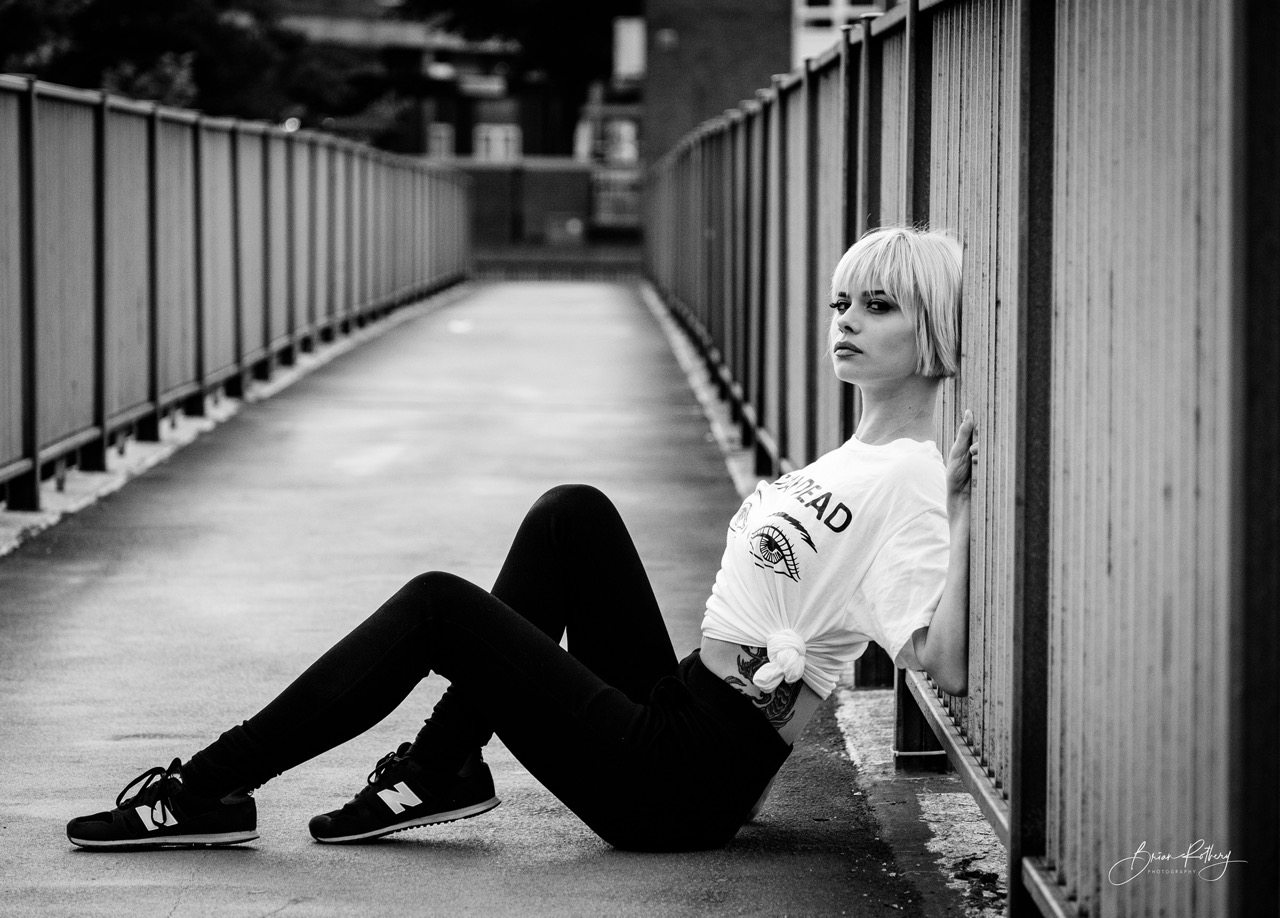

A stunning portfolio is often the most dangerous distraction when you are building a commercial brand. Whilst an eye-catching aesthetic draws you in, it rarely guarantees that a creative can handle the complex requirements of a high-stakes marketing campaign. You likely recognise that a single set of hero shots doesn't equate to a reliable workflow or a strategic partnership. It's a common anxiety to worry that your final images won't align with your brand identity or that you'll be left managing a chaotic process instead of receiving a professional service.
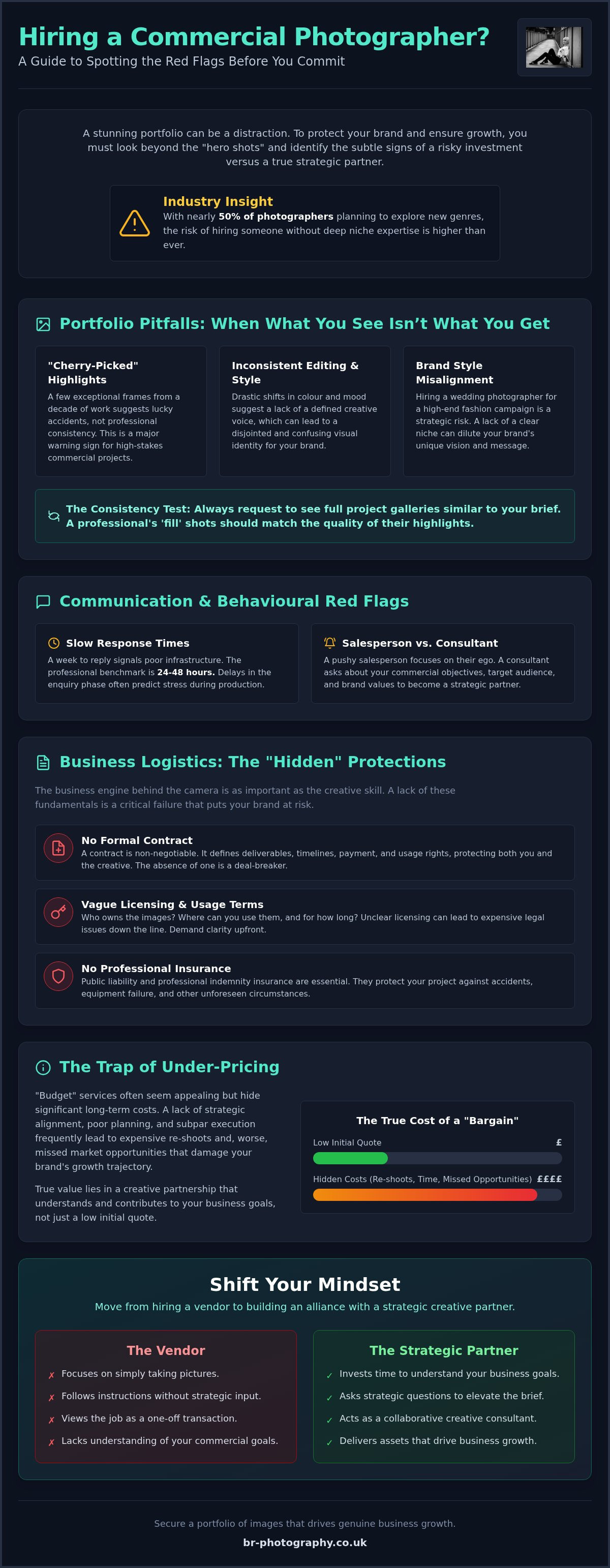
Identifying the red flags when hiring a photographer is about looking past the lens and into the business engine behind it. With almost 50 per cent of photographers surveyed in the 2026 State of the Photography Industry Report planning to explore new genres this year, the risk of hiring someone without deep niche expertise is higher than ever. In 2026, the distinction between a generalist and a strategic asset lies in their administrative rigour and their ability to align with your commercial goals. Learn how to identify the subtle warning signs that distinguish a high-end creative partner from a risky investment. This article provides a clear framework for vetting creatives so you can secure a portfolio of images that truly drives business growth.
Key Takeaways
- Learn to distinguish between a "cherry-picked" portfolio and the consistent quality required to maintain your brand’s visual identity throughout a full campaign.
- Recognise that a lack of a formal contract and vague licensing terms are critical red flags when hiring a photographer for your brand.
- Discover how to vet a creative's business infrastructure to ensure they possess the professional insurance and technical rigour necessary for high-stakes projects.
- Understand the hidden costs of under-priced services, where a lack of strategic alignment often leads to expensive re-shoots and missed opportunities.
- Shift your mindset from hiring a mere vendor to establishing a collaborative alliance with a partner who understands your business growth goals.
Portfolio Discrepancies: When What You See Isn’t What You Get
A portfolio is a promise of future performance. It acts as a visual CV, but it can also be a carefully constructed illusion. Identifying the red flags when hiring a photographer starts with scrutinising the curated highlight reel to see if it holds up under professional pressure. If a creative can only show three exceptional frames from a decade of work, you aren't looking at a professional; you're looking at a collection of lucky accidents. This "cherry-picking" behaviour is a significant warning sign that the individual lacks the technical consistency required for a high-stakes commercial project.
In 2026, the proliferation of AI-generated imagery and high-end stock photos has made it easier for amateurs to masquerade as experts. Authentic brand storytelling requires unique, urban environments and genuine human interaction that cannot be easily synthesised. Inconsistent editing styles amongst a single portfolio—where one image is moody and desaturated whilst the next is vibrant and airy—suggests a lack of a defined creative voice. This lack of cohesion will inevitably lead to a disjointed brand identity for your business, making your visual assets feel like a collection of unrelated thoughts rather than a strategic narrative.
The Consistency Test: Requesting Full Galleries
A single "hero shot" is relatively easy to achieve with enough time and post-production. Delivering twenty consecutive images with identical colour grading and sophisticated lighting under the pressure of a live shoot is the hallmark of a professional. Seeing a complete session proves the photographer can manage changing conditions and maintain technical standards throughout the day. You should always ask for a gallery similar to your specific brief to ensure they can deliver the exact results you require. If they hesitate to share full galleries, it's often because their "fill" shots don't match the quality of their highlights.
This level of consistency is a hallmark of professional teams; for instance, you can check out Steven Etheridge Photography to observe how a dedicated duo maintains technical excellence throughout a high-pressure event.
Style Misalignment with Your Brand Identity
Hiring a specialist who primarily shoots weddings to execute a high-end fashion editorial is a strategic risk that rarely pays off. Whilst their technical skills might be sound, the visual language of romance is fundamentally different from the assertive, modern aesthetic required for urban portraiture or personal brand storytelling. A lack of a clear niche often signals a generalist who may inadvertently dilute your brand vision. Adhering to professional ethical standards means a photographer should be honest about whether their style aligns with your commercial objectives. If their portfolio doesn't reflect the specific energy of your brand, don't expect them to find it on the day of the shoot.
Communication and Behavioural Red Flags in the Pre-Booking Phase
The initial exchange of emails is more than just a logistical necessity. It's a litmus test for how your shoot day will be managed. If a creative takes a week to reply to a simple inquiry, they're signalling a lack of infrastructure that will inevitably manifest as stress during your production. In the competitive UK market, a professional response within 24 to 48 hours is the benchmark. Anything less suggests your project isn't a priority or that their administrative processes are overwhelmed. Consistency in communication is the foundation of a successful creative partnership.
Conversely, a positive indicator of professionalism is when a firm maintains a transparent and active presence online; for instance, Houzpics | Real Estate Photographers in Hilton Head, SC provides regular news and updates that demonstrate their ongoing professional engagement and expertise.
Beyond speed, the quality of the conversation matters. You should look for a strategic consultant, not a pushy salesperson. A consultant asks about your commercial objectives, your target audience, and the specific platforms where the images will live. They understand that professional photographer duties extend far beyond pressing a shutter button. They include active listening and interpersonal management. If the photographer is more interested in their own creative ego than your brand's growth, you've identified one of the major red flags when hiring a photographer.
The Professionalism of the Inquiry Process
A structured onboarding process is a sign of maturity in a creative business. Professionals often utilise discovery calls to ensure a "cultural fit" before any contracts are signed. During these calls, pay attention to the questions they ask. If they don't enquire about your brand's core values or the emotional response you want from your audience, they're likely a generalist. They'll treat your high-stakes fashion shoot like a routine transaction. This lack of curiosity is a warning sign that the final assets will lack the depth needed to convert viewers into clients.
Vagueness Regarding the Creative Brief
Vagueness is the enemy of excellence. If a photographer provides non-committal answers regarding technical requirements, such as lighting setups or location scouting, it's a red flag. This often masks a lack of preparation or technical insecurity. During the moodboarding stage, a professional should offer specific insights that enhance your vision. In high-end fashion and urban portraiture, the relationship should be a collaborative alliance. This means both parties are equally invested in the strategic outcome of the visual narrative. A lack of creative empathy during planning leads to unauthentic, stiff portraits that feel disconnected from your brand. If you're looking for a partner who prioritises your strategic vision, it's worth starting a conversation with a specialist who understands the nuances of modern brand storytelling.
Business Logistics: The "Hidden" Red Flags That Protect You
Whilst the aesthetic of a portfolio captures your attention, it is the business infrastructure that protects your investment. A professional creative treats their work as a strategic asset, which means every logistical detail is documented. The absence of a written contract is the ultimate deal-breaker. Without a legal framework, you have no recourse if the photographer fails to deliver or if the images don't meet the agreed brief. A contract should clearly outline the scope of work, delivery timelines, and payment structures. If a photographer suggests a "handshake deal" or a "cash in hand" arrangement, they are exposing your brand to unnecessary risk and potentially compromising your professional reputation.
Commercial usage rights and licensing are often misunderstood, making them prime territory for red flags when hiring a photographer. In the UK, the photographer typically owns the copyright by default. You are purchasing a license to use those images for specific purposes, such as social media, print, or out-of-home advertising. A red flag occurs when a photographer is vague about these rights or attempts to charge exorbitant, unquoted fees after the shoot for basic commercial use. You should also ensure they are compliant with GDPR, particularly regarding how they store and share your brand's visual data. Following established tips for finding a professional photographer involves checking that these administrative boxes are ticked before any deposit is paid.
Insurance and Legal Safeguards
Professionalism is defined by preparedness. Any photographer operating at a high-end level in the UK must carry Public Liability and Professional Indemnity insurance. Public Liability protects against accidental damage or injury during a shoot, whilst Professional Indemnity covers you if the service provided causes your business a financial loss. If a photographer cannot provide proof of these documents, they aren't a business; they're a hobbyist. You should also scrutinise contract clauses regarding retouching limits. A professional will be transparent about what is included in the initial investment and what incurs additional costs.
This requirement for verified credentials is standard for any professional trade; for instance, a reliable commercial painting contractor such as Brush Hour LLC maintains similar rigorous standards to protect their clients and ensure a high-quality finish.
Technical Preparedness and Backups
Technical failure is a reality of digital production, but it shouldn't be your problem. Arriving with a single camera body and no backup is a major red flag that signals a lack of professional rigour. You should look for a partner who can demonstrate a commitment to data integrity through several key practices:
- Dual-slot recording: Using professional cameras that save every image to two memory cards simultaneously.
- Off-site backup: A clear protocol for storing your images in multiple locations immediately after the shoot.
- Lighting control: Moving beyond the "natural light only" trap. Whilst natural light is beautiful, a strategic partner uses strobes and modifiers to ensure brand consistency regardless of the British weather.
The ability to control light is what separates a portrait photographer from a commercial specialist. For fashion and personal brand photography, consistency across twenty or thirty images is vital for a cohesive digital presence. If a photographer relies solely on the sun, they are leaving your brand's visual identity to chance.
In contrast, specialists who handle high-stakes environments, such as large-scale school or sports events, must master these technical controls; you might check out Festival City Photography as an example of a firm that prioritises this level of professional rigour.
The Trap of Under-Pricing and "Budget" Services
Price is often a proxy for risk. In the context of red flags when hiring a photographer, an unusually low quote is rarely a bargain. It usually signals a lack of professional insurance, inadequate equipment, or a lack of experience in managing the logistics of high-stakes fashion or personal brand projects. When a creative under-prices their work, they are often omitting the essential business infrastructure discussed in previous sections, such as secure data backups and comprehensive public liability cover. You aren't just paying for a shutter click; you're investing in the certainty that your project will be executed to a professional standard without technical or legal hitches.
Hiring an amateur at a "budget" rate introduces significant hidden costs that can far outweigh the initial savings. Re-shoots are expensive and time-consuming. Lost marketing momentum whilst waiting for usable assets can stall a brand launch. Established professionals utilise a value-based pricing model because they understand that high-end imagery is a strategic business asset, not a mere operational cost. This investment ensures that every frame is designed to function within your larger business ecosystem, driving engagement and establishing market authority from the moment of publication.
The Risk to Brand Integrity
Low-quality imagery is a silent brand killer. It communicates a lack of rigour and professionalism to your own clients, potentially undermining years of expertise in a single scroll. If your visual identity doesn't match the calibre of your service, you face a significant cost in missed opportunities. An investment in quality pays dividends in long-term brand growth by aligning your aesthetic with your professional ambitions. High-end fashion and urban portraiture require a level of polish that budget providers simply cannot replicate, making "cheap" services a direct threat to your brand's perceived value.
Transparency in Deliverables
A common red flag in the budget market is the promise of "all unedited RAW files." This sounds like a generous offer, but it's actually a sign of a creative who lacks the ability or time to curate and finish their work. A professional is a strategic partner who understands that the post-production and retouching phase is where the brand narrative is truly refined. They will always limit and curate their final delivery to ensure only the most impactful, high-calibre images represent your brand. Dumping hundreds of unedited files onto a client is a failure of service that leaves you with the burden of editing and curation.
If you are ready to move beyond the risks of amateur production and want to invest in a visual identity that matches your professional expertise, it's time to book a strategic consultation to discuss your next project.
Choosing a Strategic Creative Partner Over a Vendor
Vetting a creative professional requires a fundamental shift in perspective. You aren't merely looking for someone to take pictures; you're selecting a strategic partner to represent your brand's future. By identifying the red flags when hiring a photographer, you protect your business from the inconsistent quality and legal vulnerabilities that often plague the lower end of the market. A true creative ally moves beyond the transactional nature of a vendor service to provide a collaborative alliance that grows with your brand. This relationship ensures that your visual assets remain a cohesive, powerful tool for market positioning.
Before making a final commitment, utilise this "Go/No-Go" checklist to summarise your findings:
- Portfolio Consistency: Does the work show technical excellence across full galleries rather than just a few "hero" shots?
- Strategic Communication: Was the photographer curious about your brand goals and target audience during the inquiry?
- Business Rigour: Are there clear contracts, insurance certificates, and GDPR-compliant data protocols in place?
- Technical Redundancy: Can they guarantee a successful shoot with backup equipment and dual-slot recording?
- Value-Based Investment: Does the pricing reflect the professional expertise and long-term impact of the final assets?
The BR-Photography Standard
At BR-Photography, Brian Rothery applies these professional standards to every project, from high-stakes fashion editorials to modern urban portraiture. We believe that your visual identity is a vital investment, not an afterthought. Our approach prioritises personal brand storytelling through a lens of technical excellence and strategic alignment. We provide a secure, ambitious environment where the focus is on creating assets that function within your specific business ecosystem. This commitment to professional rigour ensures that your brand is never at risk of being diluted by amateurish execution or poor project management.
Next Steps for Your Visual Identity
Preparing for a professional engagement starts with a clear creative brief. Define your target audience, your core brand values, and the specific platforms where these images will be deployed. Once your goals are established, you can approach a creative partner with confidence, knowing you have the framework to vet their expertise properly. We invite you to view a portfolio that stands up to the consistency test and reflects the contemporary energy of the UK's most ambitious brands. Prioritising your brand’s visual future means choosing a partner who is as invested in your success as you are.
Enquire about your personal brand or fashion session with BR-Photography to begin building a visual legacy that drives real business growth.
Securing Your Brand's Visual Legacy
Choosing a creative partner is one of the most impactful decisions you will make for your business. You now possess a strategic checklist to identify the red flags when hiring a photographer, allowing you to bypass inconsistent amateurs and secure a high-end investment. By focusing on technical redundancy, professional insurance, and a collaborative alliance, you protect your brand from the hidden costs of poor execution. This process is about more than just images. It is about ensuring your visual identity is as sophisticated and ambitious as the business you have built.
BR-Photography offers a results-oriented approach with a specialisation in fashion, urban, and personal brand photography. We provide full commercial licensing and professional insurance as standard, ensuring your assets are ready to drive growth across every digital platform. It is time to stop settling for inconsistent results and start building a visual narrative that commands attention. Elevate your brand with a strategic photography partner; view the portfolio. We are ready to help you capture the authentic spirit of your brand and achieve your long-term commercial goals.
Frequently Asked Questions
What is the biggest red flag when hiring a photographer for my brand?
The absence of a formal, written contract is the most significant warning sign you can encounter. Without a legal agreement, you have no protection regarding deliverables, timelines, or usage rights. This lack of administrative rigour often mirrors the quality of the final images and is one of the primary red flags when hiring a photographer for high-stakes commercial work.
Is it a red flag if a photographer doesn’t use a studio?
No, many modern urban portraits and fashion editorials thrive in authentic metropolitan environments rather than a controlled studio setting. The real issue is whether the creative has the technical ability to manage these locations. A professional should demonstrate a clear logistical plan for scouting and lighting to ensure your brand's aesthetic remains consistent regardless of the environment.
Why is a "natural light only" photographer considered a risk for commercial work?
Relying solely on the sun introduces a level of unpredictability that commercial brands cannot afford. In the UK, weather conditions change rapidly, which can lead to inconsistent colour grading and lighting across your assets. A professional uses strobes and modifiers to maintain total control over the visual narrative, ensuring your images look identical whether it is overcast or bright sunshine.
What should I look for in a photography contract to avoid issues later?
You should prioritise clear clauses on image licensing and commercial usage rights. Ensure the contract defines exactly where and how you can use the photos, such as on social media, in print, or for paid advertising. It should also detail the specific number of retouched images and the delivery timeline to keep your marketing schedule on track.
Is it normal for a photographer to ask for a deposit upfront?
Yes, a non-refundable booking fee or retainer is standard industry practice for professional creatives. This secures your date in the photographer's calendar and covers the administrative costs of the pre-production and planning phase. It is a sign of a professional business structure that respects both the creative's time and the client's commitment to the project.
How many photos should I expect to receive from a professional session?
Expect a curated selection of high-calibre images rather than hundreds of unedited files. A professional session typically delivers a specific number of meticulously retouched frames, often between 5 and 20, that align with your strategic brief. This focus on quality over quantity ensures that every asset you publish strengthens your brand's market authority.
What happens if I hire a photographer and I don’t like the results?
Dissatisfaction is usually a result of poor communication during the planning stage. A professional creative will use moodboards and discovery calls to align their vision with your goals before the shoot begins. If the technical brief was met but you simply dislike the style, the contract usually protects the photographer's artistic output, which is why vetting their portfolio is so vital.
Why do professional photographers charge so much more than hobbyists?
You aren't just paying for a person with a camera; you're investing in a strategic asset. Professional rates cover high-end equipment, professional indemnity insurance, and the expertise required to lead high-stakes projects. These overheads ensure a secure, high-quality result that protects your brand's reputation and drives long-term business growth.
Disclaimer
"The information provided in this Blog post is for general informational purposes only. While I strive to provide accurate information, I make no representations or warranties of any kind about the accuracy, reliability, or completeness of this information. Any reliance you place on such information is strictly at your own risk. In no event will I be liable for any loss or damage derived from the use of this blog."


