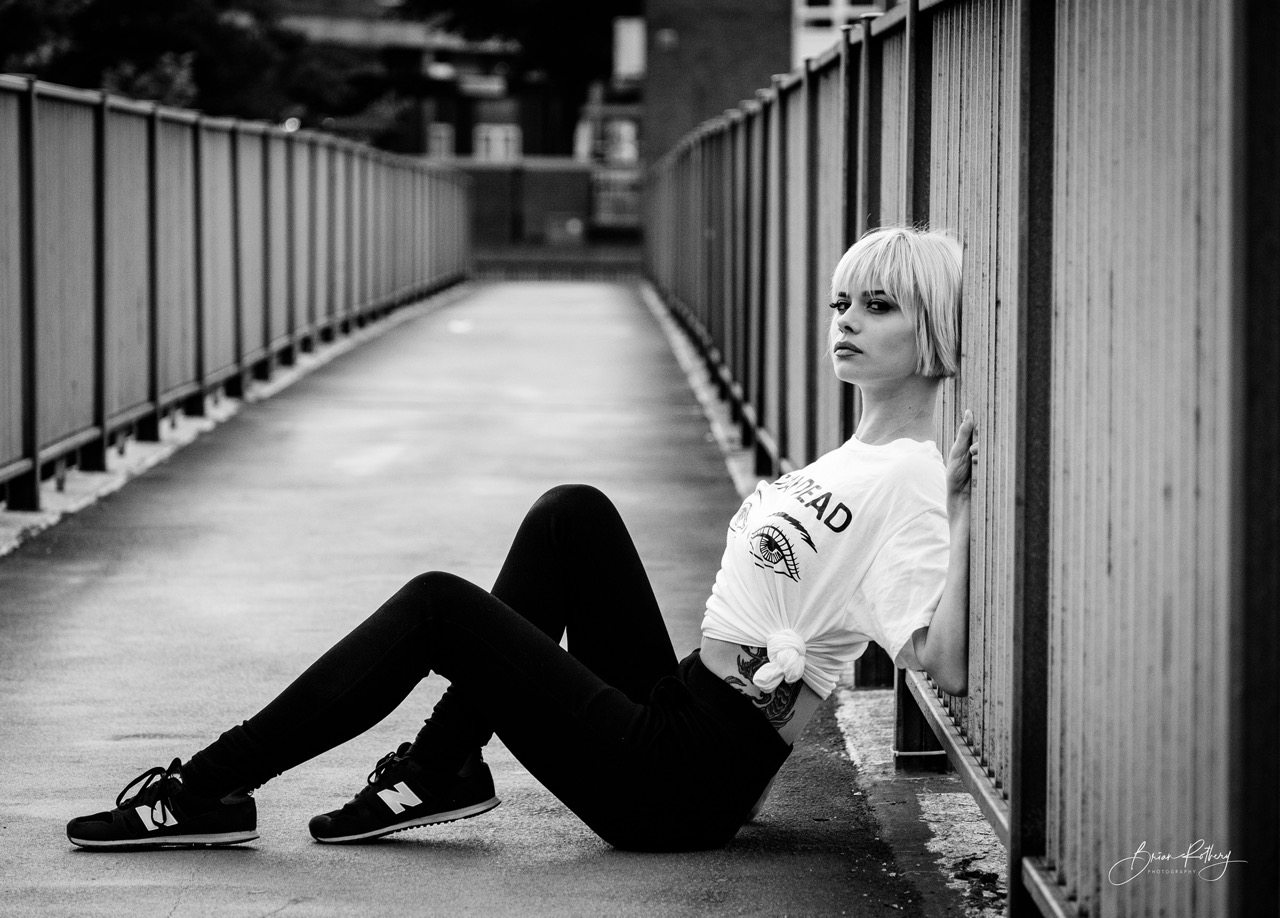

Your posture in a portrait is not a performance; it is a silent negotiation of power and trust. Most leaders dread the lens because they fear looking staged or, worse, entirely inauthentic. You might feel unphotogenic or worry that your body language doesn't match your professional stature. Whether you're preparing for a session in London or a creative hub elsewhere in the UK, we understand that vulnerability. Learning how to pose for professional photos is often the missing link between a generic corporate headshot and a compelling visual brand that commands respect.
It's time to stop viewing photography as a chore and start seeing it as a strategic investment in your business growth. We're going to dismantle the myth of the 'natural' subject and replace it with the strategic organisation of body language. This guide covers everything from subtle angles that convey authority to the collaborative mindset needed for a successful session. You'll learn to visualise your professional presence and align it with your brand's core values, ensuring every frame works as hard for your reputation as you do.
Key Takeaways
- Reframe your photography session as a strategic performance of your brand's authority rather than a passive creative exercise.
- Utilise technical principles like the asymmetry method to create dynamic, stylish lines that guide the viewer’s eye toward your expertise.
- Master practical physical adjustments, including 'The Jawline' and the 'Weight Shift', to learn exactly how to pose for professional photos without feeling staged.
- Understand how to adapt your body language for different professional contexts, from traditional corporate environments to modern urban portraiture.
- Leverage a collaborative partnership with your photographer to refine your visual identity through real-time direction and strategic brand alignment.
Beyond the Lens: Why Posing is a Strategic Business Asset
Posing is often misunderstood as a performance of vanity. In a professional context, it's actually the strategic organisation of your non-verbal communication. Every tilt of the head or placement of a hand signals something specific to your audience. When you step in front of the lens, you aren't just having a picture taken; you're performing your brand. This psychological shift is vital. It moves the focus from "how do I look?" to "what am I saying?". Viewers decide if they trust your expertise in a fraction of a second, and your posture is the primary data point they use to make that judgement.
Many people believe they should "just be natural" during a shoot. Paradoxically, looking natural on camera usually requires deliberate professional direction. The camera lens flattens three-dimensional space, which means what feels comfortable in person often looks awkward or slumped in a portrait. Understanding how to pose for professional photos involves translating your real-world confidence into a visual language that the camera can interpret correctly. It's about creating a version of yourself that is both authentic and polished enough to represent your business at its highest level.
Overcoming 'Camera Shyness' through Professional Guidance
Feeling awkward or "unphotogenic" is a standard response to high-stakes professional work. It's a sign that you care about the outcome. We view the photoshoot not as a solo performance but as a collaborative alliance. A strategic creative partner doesn't just click a button; they guide your movements to ensure your physical presence aligns with your business goals. This supportive approach reduces the friction of being the subject, allowing your authentic personality to surface without the weight of self-consciousness. Professional direction replaces guesswork with certainty, transforming anxiety into a controlled, confident delivery.
The Impact of Body Language on Brand Authority
Your posture dictates your perceived authority. Closed postures, such as crossed arms or hunched shoulders, can inadvertently signal defensiveness or a lack of transparency. Conversely, open postures suggest confidence and accessibility. There is a fine line between looking approachable and looking authoritative, and finding that balance requires a nuanced understanding of body language. Your visual identity is a vital investment for business growth. Mastering these subtle cues ensures your portraits work as a functional asset in your marketing ecosystem. High-quality imagery isn't a luxury; it's a foundational component of a modern brand's digital presence that establishes credibility before you even speak.
The Architecture of the Pose: Technical Principles for a Modern Aesthetic
A modern aesthetic in professional portraiture is built on the architecture of the body. It isn't enough to simply stand; you must create lines that guide the viewer’s eye toward your face. In fashion-forward photography, we often utilise the asymmetry principle. This involves creating different heights with your shoulders or varying the angles of your limbs. Symmetry can often feel static or overly corporate. By introducing asymmetrical elements, you project a dynamic energy that signals a modern, high-end sensibility.
Micro-adjustments in your facial expressions are equally vital. A slight narrowing of the eyes or a subtle lift of the corner of the mouth can transform a cold stare into a look of focused ambition. When you are learning how to pose for professional photos, you'll find that tension is your ally. Physical tension in the core or the jawline isn't about stress; it's about projecting vitality. Ambition is rarely relaxed. It is an active state, and your body should reflect that drive. If you're ready to refine your visual assets through a collaborative session, you can reach out to discuss your project.
Creating Depth and Dimension with Body Angles
Facing the camera 'flat on' is a common pitfall that often results in a two-dimensional, uninspired image. It lacks the sophistication required for a personal brand that aims to lead. Instead, we utilise the 45-degree rule. By angling your torso away from the lens whilst keeping your head directed towards it, you create a more slender, powerful silhouette. Your shoulders serve as the frame for your face. Pulling them back and slightly down elongates the neck, projecting a quiet confidence that commands the room without saying a word.
The Role of Tension and Relaxation in Fashion Portraiture
In the context of fashion and urban portraiture, your hands can either enhance or diminish your authority. We distinguish between 'active' and 'dead' hands. Active hands have a purpose; they might be adjusting a cuff, resting on a lapel, or tucked partially into a pocket. Dead hands, hanging limply at your sides, suggest a lack of engagement. It is a ballet of small movements. Keeping your limbs slightly away from your torso prevents the appearance of unnecessary bulk and creates a more defined shape. Dynamic tension is the precise balance between a structurally sound pose and an air of effortless comfort.
Tailoring the Pose to Your Professional Context
Every industry has its own visual dialect. A founder in a tech start-up requires a different energy than a partner in a traditional law firm. When you are considering how to pose for professional photos, you must first audit your industry's expectations and your brand’s unique disruption of those norms. Traditional sectors often demand stability and gravitas, whilst creative fields thrive on movement and experimentation. Selecting a pose that feels jarringly out of place for your sector can undermine your credibility before a client even reads your bio.
For those in fashion or high-end creative sectors, the poses should be more provocative and experimental. This might involve exaggerated angles or unconventional crops that challenge the viewer's perspective. It is about pushing the boundaries of the frame to show that your brand is not afraid to take risks. In these contexts, we move away from the 'safe' and toward the 'significant'. The goal is to create a visual asset that stops the scroll and demands a deeper look into your professional world.
Posing for Corporate Headshots vs. Urban Portraits
In a traditional corporate headshot, your centre of gravity should be grounded. Think of your posture as an anchor; it suggests reliability and institutional strength. Urban portrait photography, however, allows for a more fluid approach. We often use the city itself as a strategic partner. You might lean against a brutalist concrete wall or frame yourself within the leading lines of a steel bridge. These urban environments require more intentional body placement. You aren't just standing in front of a background; you are interacting with the architecture to signal that you are a modern, adaptable leader who understands the rhythm of a metropolitan market.
Storytelling through Movement in Personal Brand Photography
Personal brand photography is primarily about narrative. It’s about the "how" and "why" of your work. We encourage prop interaction that feels authentic rather than staged. If you're a designer, interacting with a fabric swatch or a sketchbook can work, provided it is a genuine part of your daily process. Movement is a powerful tool for signaling business growth. The 'walking pose' is a classic for a reason; it suggests momentum and a forward-thinking mindset. Your gaze also dictates the narrative tone. Direct eye contact is both a challenge and a greeting; it’s assertive. Looking off-camera suggests vision and contemplation. It invites the viewer to wonder what you see on the horizon of your industry.
Practical Techniques to Master Before Your Professional Session
Mastering the physical mechanics of a shoot is where strategy meets execution. It's about muscle memory. When you understand how to pose for professional photos, you remove the guesswork and replace it with a repeatable framework for excellence. Start with 'The Jawline'. By pushing your face slightly forward and then down, you tighten the skin around the neck and create a sharp, defined profile. It feels unnatural in person. On camera, however, it eliminates shadows that can soften your features, projecting a crisp, alert presence.
The 'Weight Shift' is your foundation. Never stand with your weight distributed equally on both feet. It creates a static, blocky appearance. Instead, anchor your weight on your back leg. This naturally tilts the hips and shoulders. It creates a more elegant line and allows the front leg to relax, which adds a sense of casual sophistication to even the most formal corporate portrait. This subtle shift signals that you are comfortable in your own skin, a key marker of authentic authority.
The 'Triangle Rule' is a technical descriptor for the space between your arms and your waist. If your arms are pressed flat against your torso, you lose your shape and risk looking wider than you are. By creating 'triangles', such as placing a hand on a hip or slightly out to the side, you define your silhouette and project a more refined, professional look. Finally, choose your expression based on your brand goals. A 'Soft Smile' projects warmth and accessibility, whilst a 'Power Gaze', a focused, intense look with minimal mouth movement, signals high-level authority and intent.
The 'Ears Forward' Technique and Facial Expression Control
To achieve a refined profile, imagine pulling your ears forward toward the camera. This 'turtle' movement elongates the neck and defines the jaw.
- Stand tall with shoulders back.
- Extend your neck forward, moving your chin toward the lens.
- Tilt the chin slightly down.
This movement eliminates the appearance of a double chin. To project warmth, focus on 'smizing', engaging the muscles around the eyes whilst keeping the rest of the face composed. The height of your chin also matters. A higher chin can seem aloof. A lower chin feels more inclusive and engaging.
Hand Placement and the Art of Looking Natural
Hands often feel like an obstacle for beginners because they lack a defined role. In fashion-forward portraiture, we use the 'soft pocket' technique, tucking just the thumb or a few fingers into a pocket to show the hand without hiding it entirely. Alternatively, 'adjusting the cuff' provides a reason for the hand to be near the torso, creating a polished, intentional look. Natural hand behaviour is defined by having a specific task to perform rather than remaining still and lifeless. Ready to put these techniques into practice? Book your professional session today to ensure your next portrait projects the authority your brand deserves.
The Collaborative Alliance: How BR-Photography Refines Your Visual Identity
Visual authority isn't something you achieve in isolation. It's the result of a deliberate, collaborative alliance between subject and creator. Whilst understanding the mechanics of how to pose for professional photos is essential, the final polish comes from real-time professional direction. Brian Rothery doesn't just capture images; he refines your visual identity through active, strategic guidance. This moves you beyond being a passive subject and transforms you into an active collaborator in your brand's story. It's about a shared vision where the technical expertise of the photographer meets the professional ambition of the client.
The process begins long before you step into the studio. A pre-shoot consultation is vital to align on your specific brand goals and industry nuances. We don't believe in a one-size-fits-all approach. Whether you're seeking urban portraiture that signals modern disruption or a sophisticated fashion-forward profile, every movement is calculated to support your business growth. Professional photography is not a low-cost commodity; it's a vital investment in your market perception. Choosing a partner who understands the functional value of these assets is what distinguishes a successful brand from its competitors.
A Supportive Environment for Creative Ambition
We understand that being the centre of attention can be daunting. Our studio environment is designed to put you at ease whilst maintaining the highest creative standards. Professional direction eliminates the guesswork, allowing you to focus on your presence whilst we handle the technical architecture of the frame. Every session is bespoke, tailored to the unique creative ambition of the client. This supportive framework ensures that the final assets are not just aesthetically pleasing but functionally superior in a competitive market. We prioritise your comfort because a relaxed subject is a confident subject, and confidence is the currency of authority.
Investing in Professional Direction for Long-term Growth
Your visual identity acts as a strategic launchpad for your brand. High-quality imagery directly influences how potential partners and clients perceive your expertise. Within the digital market, where first impressions are made in milliseconds, your portraits must work as hard as you do. By choosing a strategic creative partner, you ensure that your visual assets are cohesive, authoritative, and authentic. It's time to elevate your brand from a service provider to a market leader. Your growth depends on the quality of the story you tell through your imagery.
Enquire about your personal brand session with BR-Photography
Mastering Your Visual Narrative
Transforming your professional presence requires more than just standing in front of a lens. It demands a deliberate shift from being a passive subject to becoming a strategic collaborator in your brand's story. By mastering the technical nuances of how to pose for professional photos, you ensure that your body language communicates authority, trust, and creative ambition. Whether you're utilising the architecture of a city for urban portraiture or refining your profile through subtle jawline adjustments, every choice should serve your long-term business goals.
At BR-Photography, we specialise in sophisticated personal brand storytelling and fashion-forward urban portraiture. We don't just provide a service; we offer a strategic creative partnership focused on your business growth. Our collaborative approach is designed to ease your anxieties whilst ensuring your visual assets function as powerful tools in a competitive market. High-quality imagery is a vital investment that bridges the gap between where your brand is and where it's going.
Elevate your visual identity with a professional portrait session. Your brand deserves imagery that matches its ambition, and we're here to help you project that confidence to the world.
Frequently Asked Questions
How do I avoid looking stiff or fake in my professional photos?
Focus on dynamic tension and micro-movements rather than holding a static position. Stiffness occurs when you 'freeze' for the shutter, which often looks forced. Instead, keep your body in slight motion or transition slowly between poses. This creates a sense of life and authenticity that translates as effortless confidence on camera.
What should I do with my hands while posing for a headshot?
Give your hands a specific task to perform to avoid the 'dead hand' effect. In a headshot, hands might gently adjust a lapel, rest lightly on a thigh, or be tucked partially into a pocket. This intentional placement adds structural interest to the frame and prevents you from feeling awkward about where to put them.
Can professional posing really make me look more authoritative?
Yes, posing is the strategic organisation of non-verbal cues that signal power and reliability. By mastering how to pose for professional photos, you can utilise open postures and defined jawlines to project a focused, ambitious presence. Authority is often communicated through the space you occupy and the stability of your stance.
What is the best way to pose if I am nervous about my appearance?
Utilise the 45-degree angle and weight-shift method to create a flattering, powerful silhouette. Shifting your weight to your back leg naturally aligns your body in a way that feels grounded and secure. Focusing on these technical mechanics often distracts from self-consciousness, allowing your authentic personality to surface through the professional structure.
Should I look directly at the camera or look away?
Your choice of gaze depends on the specific brand narrative you want to convey. Direct eye contact is assertive and establishes an immediate connection with the viewer, which is ideal for leadership roles. Looking off-camera suggests vision, contemplation, and a forward-thinking mindset, often used in creative or personal brand storytelling.
How much movement is expected during a professional fashion shoot?
Fashion photography thrives on fluid, experimental movement rather than static poses. Expect to move continuously, using your limbs to create unconventional angles and dynamic lines. This energy is what distinguishes fashion-forward content from traditional corporate work, as it signals a brand that is modern, active, and unafraid to take risks.
Does the photographer tell me exactly how to pose during the session?
A strategic creative partner provides real-time, expert direction throughout the entire session. You aren't expected to be a professional model; the photographer guides your movements to ensure every shot hits the mark. This collaborative alliance removes the pressure from you, allowing the session to feel like a supportive, high-end service.
What is the difference between posing for a portrait and a fashion editorial?
Portrait posing focuses on grounding the subject to project trust and expertise, whilst fashion editorial posing is more provocative and graphic. Portraits are about the person and their brand authority. Editorials are about the mood, the clothing, and the artistic narrative, often requiring more exaggerated physical tension and experimental body placement.
Disclaimer
"The information provided in this Blog post is for general informational purposes only. While I strive to provide accurate information, I make no representations or warranties of any kind about the accuracy, reliability, or completeness of this information. Any reliance you place on such information is strictly at your own risk. In no event will I be liable for any loss or damage derived from the use of this blog."


