Your professional headshot isn't a vanity project; it's a high-stakes business investment that dictates how the market perceives your authority. Most leaders realise that a generic, "staged" photo can actually undermine their credibility, yet the process of choosing a portrait photographer often feels like a gamble between uninspired studio shots and hobbyist inconsistency. It's natural to feel a sense of camera anxiety or worry that you simply aren't photogenic. However, the right creative partner doesn't just "take" a photo. They architect a visual identity that works for you whilst you sleep.
We understand that you need more than a pleasant image; you require a strategic asset that aligns with your professional trajectory in 2026. This guide will teach you how to move beyond basic aesthetics to select a collaborator who understands the functional value of your personal brand. You'll learn how to distinguish between technical button-pushers and strategic pros who use the latest tools to enhance authenticity rather than mask it. By the end of this article, you'll have a clear framework for securing a cohesive visual presence that eliminates session stress and elevates your market standing.
Key Takeaways
- Distinguish between a 'nice photo' and a strategic visual asset that actively drives professional trust and market conversion.
- Learn how to align your industry culture with specific photographic styles, including urban and fashion-forward portraiture.
- Master the vetting process by using a structured framework for choosing a portrait photographer who prioritises your long-term brand goals.
- Discover how creative empathy and professional collaboration can transform a stressful session into a seamless, high-impact experience.
Beyond the Lens: Why Your Portrait is a Strategic Business Asset
A professional portrait is often misunderstood as a simple act of vanity. It isn't. In the competitive landscape of 2026, your image is a functional component of your marketing stack. It's a strategic asset designed to communicate competence before you even speak. When you're choosing a portrait photographer, you aren't just hiring a person with a camera; you're selecting a creative director who can translate your professional values into a visual language. This goes far beyond the lens. It's about market positioning.
A "nice" photo is merely pleasant to look at. A strategic portrait, however, is engineered to drive conversion. It bridges the gap between your digital presence and your physical authority. By understanding portrait photography styles, you can move beyond the surface level of "looking good" and start focusing on how an image functions within your business ecosystem. The goal is to project an identity that feels both aspirational and authentic.
The 'Nice Photo' Trap vs. Professional Credibility
Aesthetic beauty is subjective; professional authority is quantifiable. You can have a technically perfect photo that fails to inspire confidence. This is the "nice photo" trap. High-end portraiture focuses on the psychological impact of first impressions. In digital networking, your profile image is often the only data point a potential collaborator has. A strategic pro captures "trust" by managing micro-expressions and lighting to project reliability, not just physical features. They ensure your visual first impression matches the high standard of your work.
Portraits as a Multi-Channel Marketing Tool
Think of your portrait as a multi-channel asset. It needs to perform on LinkedIn, anchor your speaker profile at national conferences, and sit comfortably within editorial features. Consistency is key. A single, high-quality session with a specialist in personal brand photography is more cost-effective than a dozen disjointed, budget attempts. It ensures your visual identity remains coherent across every platform. When choosing a portrait photographer, look for someone who understands these diverse applications. They should be able to provide a suite of images that work across different formats whilst maintaining a singular, powerful brand voice.
To ensure your visual identity is cohesive across all digital touchpoints, you can explore Brand Photography and Website Design to see how these elements work together to build a unified professional presence.
Your portrait is the visual anchor of your professional brand. It's an investment in how the world perceives your value. By treating it as a strategic tool rather than a checklist item, you set the stage for deeper professional connections and increased market influence.
Identifying Your Aesthetic: Portrait Styles and Creative Alignment
Aesthetic choice is never purely decorative. It's a strategic business decision that signals your market position to every potential client who views your profile. When choosing a portrait photographer, you must look past the technical quality of their work and assess their creative alignment with your specific industry. A corporate lawyer requires a different visual language than a boutique fashion designer or a tech founder. Your chosen style acts as the visual tone of voice for your brand; it must be intentional.
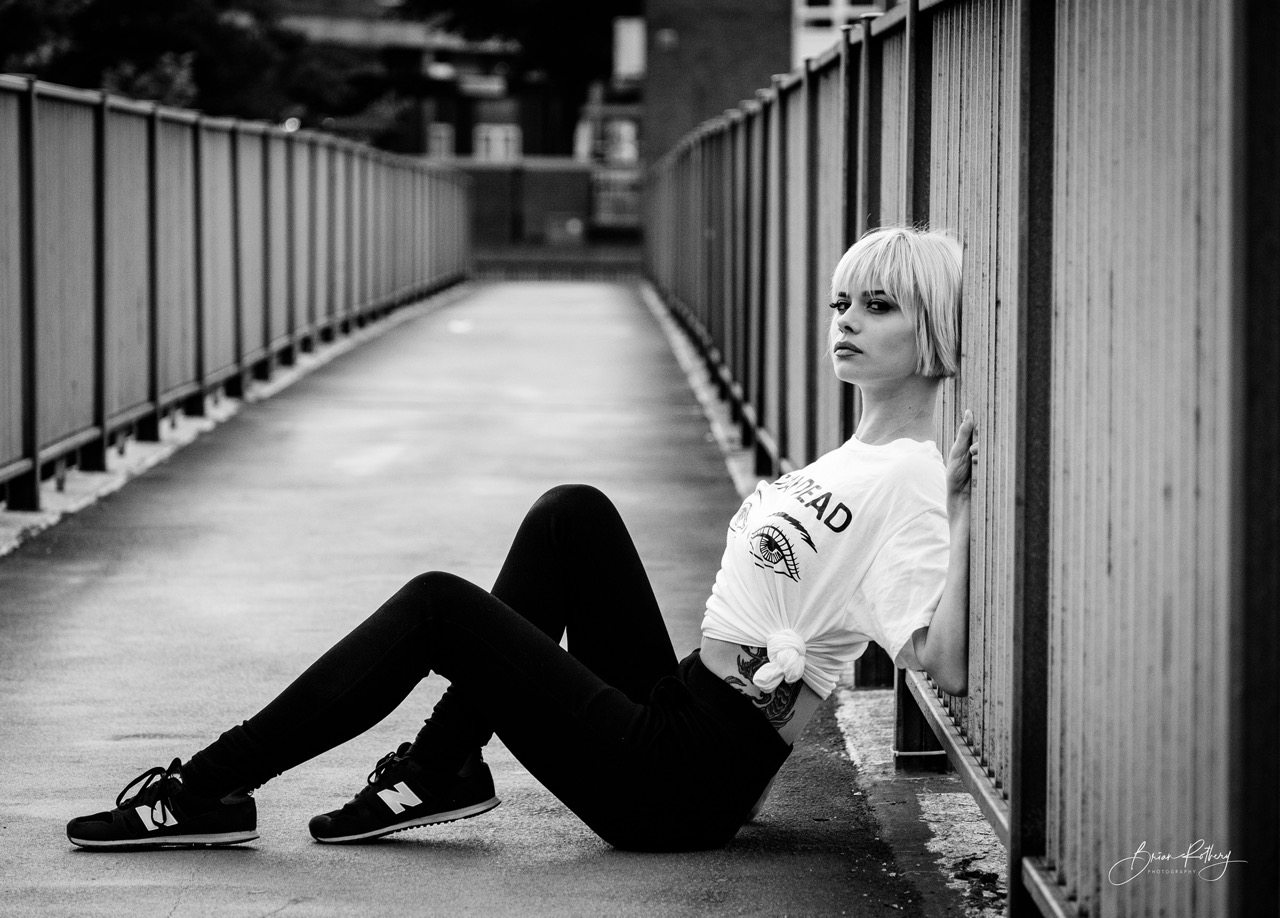
Traditional portraits offer a sense of permanence and control. They're often captured in a studio where every shadow is deliberate. This style projects authority and stability. Conversely, urban portrait photography embraces the energy of the city. It uses environmental context to tell a story of movement and modern relevance. This is particularly effective for personal brand photography where authenticity is the primary currency. Understanding what a professional photographer does helps clarify this choice. It involves the strategic manipulation of light and colour to evoke specific psychological responses. A warm, earthy palette suggests approachability, whilst high-contrast, cool-toned lighting signals clinical precision.
Traditional vs. Modern Urban Portraits
Deciding between a studio or an urban setting depends on your narrative goals. Studio sessions provide maximum control over the output, making them ideal for high-authority industries that value tradition. Urban portraits, however, offer a narrative depth that studio walls cannot replicate. They place you in the real world, showing you amongst the architecture and pace of your professional environment. This context adds a layer of storytelling that humanises your brand and builds immediate rapport with your audience. It signals that you're active, engaged, and relevant.
The Fashion Editorial Influence
High-end lighting and fashion-forward aesthetics are no longer reserved for magazine covers. They're increasingly used in personal brand photography to create a premium, disruptive feel. By adopting editorial techniques, you differentiate your visuals in a saturated digital market. This style signals that you're a leader who values excellence and isn't afraid to challenge industry norms. It's about creating a visual standard that justifies a premium price point for your own services. If you're unsure which aesthetic best serves your current goals, discussing your brand vision with a strategic partner can provide the necessary clarity. Always review a portfolio for consistency; you want a photographer who delivers high-quality results every time, not someone who relies on a few "greatest hits" to mask a lack of technical depth.
Evaluating the Process: Why the Session Experience Dictates the Outcome
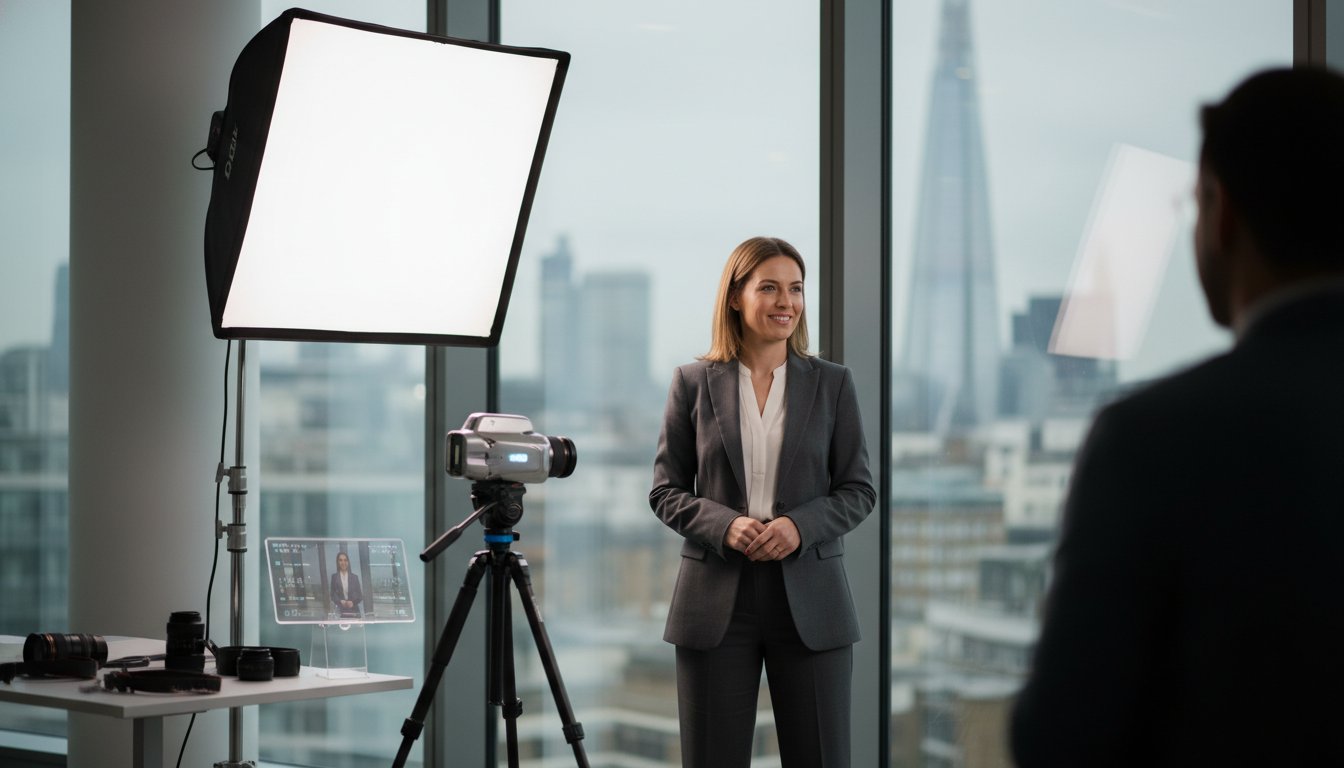
Technical specifications are a baseline, not a differentiator. In the high-stakes environment of professional branding, the quality of your final image depends less on the sensor size of a camera and more on the photographer’s ability to lead. When choosing a portrait photographer, you're looking for a director. A great session isn't a one-way transaction where you sit still and hope for the best. It's a collaborative alliance. The best results emerge when there is a shared understanding of the brief and a mutual commitment to the outcome. If a photographer doesn't prioritise a pre-session consultation, they're merely taking a picture; they aren't building an asset.
Creative empathy is the secret weapon of the strategic professional. It's the ability to recognise that most subjects feel vulnerable in front of a lens. A skilled partner uses this understanding to dismantle camera anxiety, creating a space where authenticity can surface. This isn't about "getting lucky" with a shot. It's a deliberate psychological process that ensures your professional identity is captured with clarity and confidence. The experience on the day is directly mirrored in the final pixels.
From Pre-Production to Final Delivery
A professional workflow begins long before the first shutter click. Mood boards and wardrobe planning are essential tools for visual alignment. They ensure that every element, from the texture of a blazer to the background colour, serves your market positioning. Clear communication during this phase prevents post-shoot regret. You should also expect a transparent post-production process. In 2026, the trend is moving away from heavy retouching towards "assisted culling" and minimal edits that preserve natural skin texture. This ensures you look like the best version of yourself, not a digital fabrication.
Overcoming Camera Anxiety
Most professionals list "feeling unphotogenic" as their primary concern. A strategic pro manages the behaviour of the subject to solve this. They move away from rigid, static posing and instead focus on directed movement. This approach creates natural lines and genuine expressions that feel active rather than staged.
- Directed Movement: Focuses on flow and interaction to capture raw, authentic energy.
- Static Posing: Often leads to "the mask," a stiff expression that fails to build trust.
- Atmospheric Control: The photographer sets the tone, using supportive collaboration to put you at ease.
The Professional Vetting Checklist: Five Essential Questions to Ask
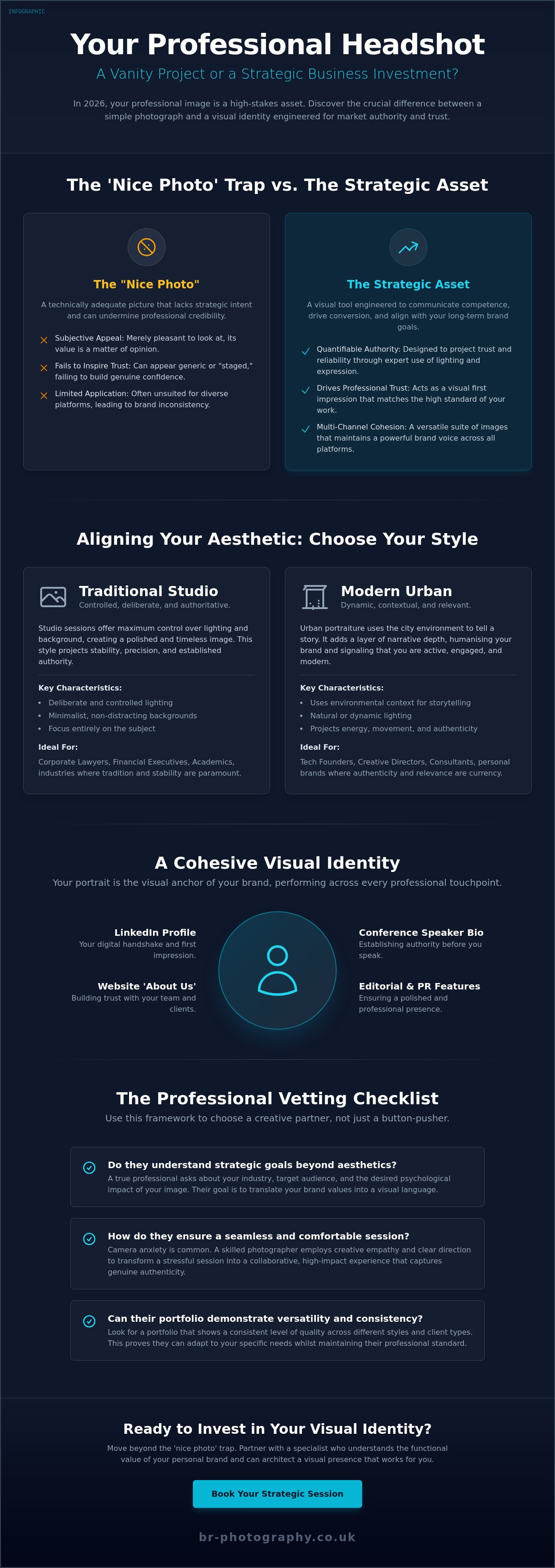
Selecting a creative partner requires more than a casual glance at an Instagram feed. It demands a structured approach that treats the engagement as a high-stakes commercial alliance. When you're choosing a portrait photographer, you must act as a savvy business partner, looking for markers of strategic value rather than just technical specs. The goal is to identify a professional who understands that an image is a tool for market positioning. Use this framework to move beyond surface-level aesthetics and uncover the strategic depth of your potential collaborator.
Technical Proficiency vs. Strategic Direction
Technical skill is the entry fee; strategic direction is the differentiator. These questions reveal if a photographer can lead a project or if they're simply a button-pusher.
- Question 1: "How do you translate a brand's values into a visual style?" A strategic pro won't talk about lenses first. They'll talk about your target audience, your industry's visual cues, and how lighting or colour palettes can signal authority or innovation.
- Question 2: "Can you describe your process for directing someone who is camera-shy?" This tests their creative empathy. You want to hear about directed movement and psychological cues that dismantle anxiety, ensuring the final asset looks authentic rather than staged.
- Question 3: "What is your approach to lighting for different professional contexts?" Whether it's urban portrait photography or a controlled studio session, the lighting must serve the brief. A fashion-forward aesthetic requires a different technical setup than a traditional corporate headshot.
Logistics and Commercial Value
Clear logistics prevent post-shoot friction and ensure the project remains on schedule. These questions focus on the functional utility of your investment.
Question 4: "What are the usage rights and licensing terms for the final images?" Understanding the commercial value of your license is vital. In 2026, with shifting copyright regulations, you must be certain that your images are cleared for multi-channel use across LinkedIn, editorial features, and speaker profiles without hidden future costs. Question 5: "What is the expected timeline from the session to the final asset delivery?" Professional projects have deadlines. A reliable partner provides a clear workflow for culling, retouching, and delivery, ensuring your visual identity is ready when your campaign launches.
Investing in a strategic partner means prioritising the long-term impact of your visual assets over the initial cost. If you're ready to move beyond generic headshots and build a powerful visual identity, reach out to discuss your strategic brief. Choosing a portrait photographer who views your success as their primary metric is the first step toward a high-impact professional presence.
Investing in Excellence: How BR-Photography Elevates Your Visual Identity
The process of choosing a portrait photographer concludes when you find a partner who values your brand's growth as much as you do. Brian Rothery positions himself as that strategic ally for UK-based professionals who have outgrown the limitations of standard studio headshots. By specialising in fashion-forward aesthetics and urban portraiture, the studio provides a visual edge that generalist providers cannot replicate. This is a results-oriented approach. We don't just aim for a pleasant image; we aim for a functional asset that enhances your credibility and invites higher-level opportunities. We understand that for a modern founder or creative, an image is a piece of intellectual property that must perform across multiple platforms.
Our commitment to authenticity ensures that your professional identity remains the focal point. We move beyond the technical to focus on the human, making certain that every client feels confident and empowered during their session. This isn't about vanity. It's about visualising your ambition with clarity. When you work with us, you're not just buying a session; you're investing in a sophisticated creative process that translates your expertise into a high-impact visual language.
A Collaborative Alliance for National Clients
Every personal brand session we conduct is a bespoke project tailored to your unique market positioning. We don't use a "one size fits all" methodology. Instead, we look at the specific creative sectors you inhabit and design a shoot that reflects that reality. Our national scope allows us to serve ambitious professionals across the UK, bringing a sophisticated, urban edge to their visual identity regardless of their location. We prioritise storytelling over simple posing. By integrating elements of fashion photography, we create portraits that feel premium and contemporary. This collaborative alliance ensures that the final creative output isn't just a photo; it's a manifesto of your professional standard.
Ready to Transform Your Visual Presence?
Stop viewing your professional image as a secondary concern. It's a vital investment in your business ecosystem. In 2026, authenticity is the ultimate luxury, and capturing that requires a photographer who understands the nuances of human behaviour and the demands of modern marketing. We invite you to move beyond the "headshot" and embrace a strategic portrait that works for you. Reach out for a consultation to discuss your specific creative needs and let's build something that lasts. Your brand deserves a visual identity that matches its potential.
Book your strategic portrait session with BR-Photography and define your visual authority today.
Define Your Visual Authority
Your visual presence in 2026 is the gateway to your next professional milestone. It's the difference between being perceived as a participant or a leader in your sector. We've explored how a strategic portrait functions as a functional business asset; it's a tool that works for you whilst you sleep. By prioritising a collaborative alliance and creative empathy, you can move beyond the "nice photo" trap and secure an identity that commands respect. When you're choosing a portrait photographer, you're selecting the architect of your digital first impression.
BR-Photography offers a national service across the United Kingdom, providing strategic, results-oriented creative direction for those who demand excellence. Our specialism in fashion and urban portraiture ensures your brand feels both premium and authentic. Don't leave your reputation to chance. It's time to translate your professional values into a high-impact visual asset. Elevate your professional brand: book your session with BR-Photography today. Your ambition deserves to be seen with clarity and confidence.
Frequently Asked Questions
How do I know if a portrait photographer's style is right for my brand?
Look for visual consistency and a shared design language within their portfolio. A photographer who understands your industry will use specific lighting and colour palettes that signal your market position. If their previous work aligns with your brand's desired tone of voice, they're likely a strong candidate for your project. Always prioritise a portfolio that shows a range of authentic expressions over a collection of identical, static poses.
What should I wear for a professional portrait session to look my best?
Choose clothing that reflects your professional authority whilst allowing for natural movement and comfort. Focus on high-quality textures and solid colours that complement your skin tone rather than busy patterns that distract from your face. It's helpful to bring a few options so the wardrobe can be adjusted to suit the specific lighting and environmental context of the session. Your attire should feel like a natural extension of your brand identity.
I am incredibly unphotogenic; can a professional really get a good shot of me?
Yes, because being photogenic is a result of expert direction rather than an inherent trait. A strategic professional doesn't expect you to know how to pose; they use directed movement and creative empathy to capture authentic expressions. Their job is to manage the behaviour of the subject and create a supportive atmosphere. This ensures the final asset looks confident and relaxed, regardless of your previous experiences in front of a camera.
What is the difference between a headshot and a personal brand portrait?
A headshot is a tightly cropped image focused on your face for identification, whilst a personal brand portrait is a narrative tool. Personal branding sessions incorporate wider shots, environmental context, and varied styling to tell a deeper story about your expertise. When choosing a portrait photographer, ensure they understand how to create these more complex, high-impact visual assets that function across multiple marketing channels.
How much should I expect to invest in a high-quality portrait session in the UK?
Investment levels for professional photography in the United Kingdom vary based on the photographer's expertise and the commercial value of the usage rights. You should view this as a strategic business investment rather than a simple expense. High-end providers who prioritise results-oriented creative direction generally offer packages that reflect the functional value and long-term utility of the assets they produce for your professional brand, a standard of excellence also found when engaging a specialist like Dave Spink Photography for high-end wedding services.
Do I own the copyright to the photos after the session?
In the UK, the photographer typically retains the copyright as the creator, but you are granted specific usage rights for your business. It's vital to clarify these licensing terms during the vetting process. Ensure your agreement covers multi-channel use across LinkedIn, editorial content, and speaker profiles. This prevents future licensing friction and ensures you can use your assets freely to promote your professional identity.
How long does a typical professional portrait session last?
A standard session usually lasts between two and four hours, depending on the complexity of the brief and the number of wardrobe changes. This timeframe allows for a collaborative atmosphere where you can settle into the process without feeling rushed. Taking the time to explore different angles and lighting setups is essential for building a high-stakes visual identity that feels authentic and considered.
How soon will I receive my final edited images after the shoot?
Most professional workflows include a culling and retouching phase that takes between one and two weeks. This ensures every asset is polished to a high standard whilst maintaining the authenticity of your natural features. When choosing a portrait photographer, establish clear communication regarding these timelines during your pre-session consultation. This ensures your new visual identity is ready to launch in alignment with your marketing schedule.
Disclaimer
"The information provided in this Blog post is for general informational purposes only. While I strive to provide accurate information, I make no representations or warranties of any kind about the accuracy, reliability, or completeness of this information. Any reliance you place on such information is strictly at your own risk. In no event will I be liable for any loss or damage derived from the use of this blog."


