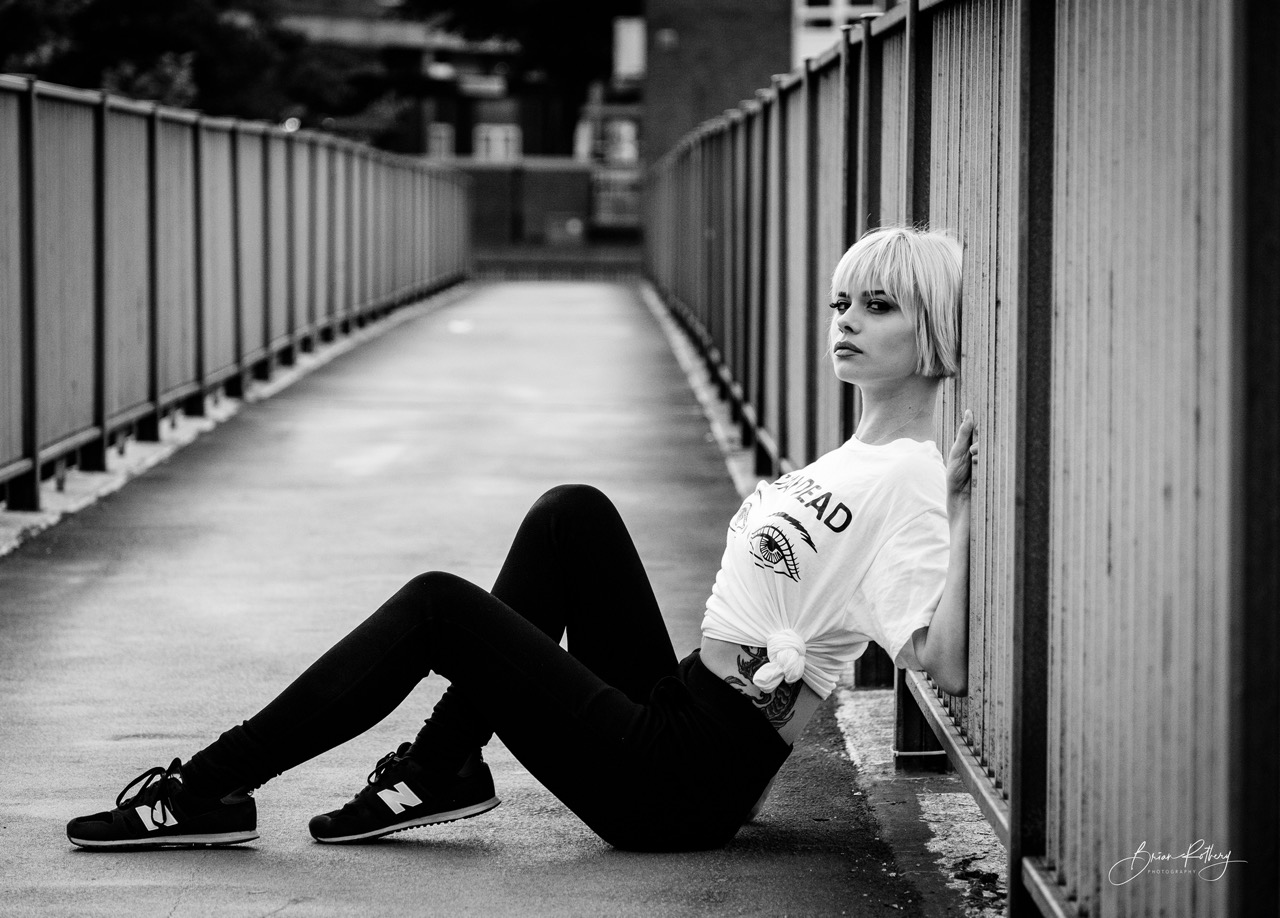

Natural-looking client portraits aren’t made by leaving everything to chance. A candid portrait photographer in the UK looks for settings that suit the person and the purpose of the images, builds rapport so the session feels comfortable, then uses gentle direction to encourage relaxed, genuine expressions. Candid doesn’t have to mean the client is unaware of the camera; it can mean portraits that feel spontaneous rather than stiff.
If being photographed makes you self-conscious, that’s understandable. The right approach offers enough guidance to help you feel at ease without making every pose seem rehearsed. The result can feel like you and support your personal or professional identity.
Here, you’ll learn how a photographer chooses a location, creates a collaborative atmosphere and guides a session without over-directing it. You’ll also see how candid portrait skills translate into client work and what to expect from a thoughtful portrait session.
Key Takeaways
- Choose a setting that supports the portrait’s purpose, and consider how its light, background and activity can shape the final image.
- Candid techniques can help client portraits feel natural while still keeping the session focused on your goals.
- Build comfort through clear communication and gentle direction, especially if you feel self-conscious in front of the camera.
- Compare portfolios for consistency, expression and effective use of surroundings, then look for reviews that describe the client experience.
- BR-Photography’s portrait photography can help create considered images, with fashion, urban portrait and personal brand photography also available to suit different visual aims.
Finding an interesting location and waiting
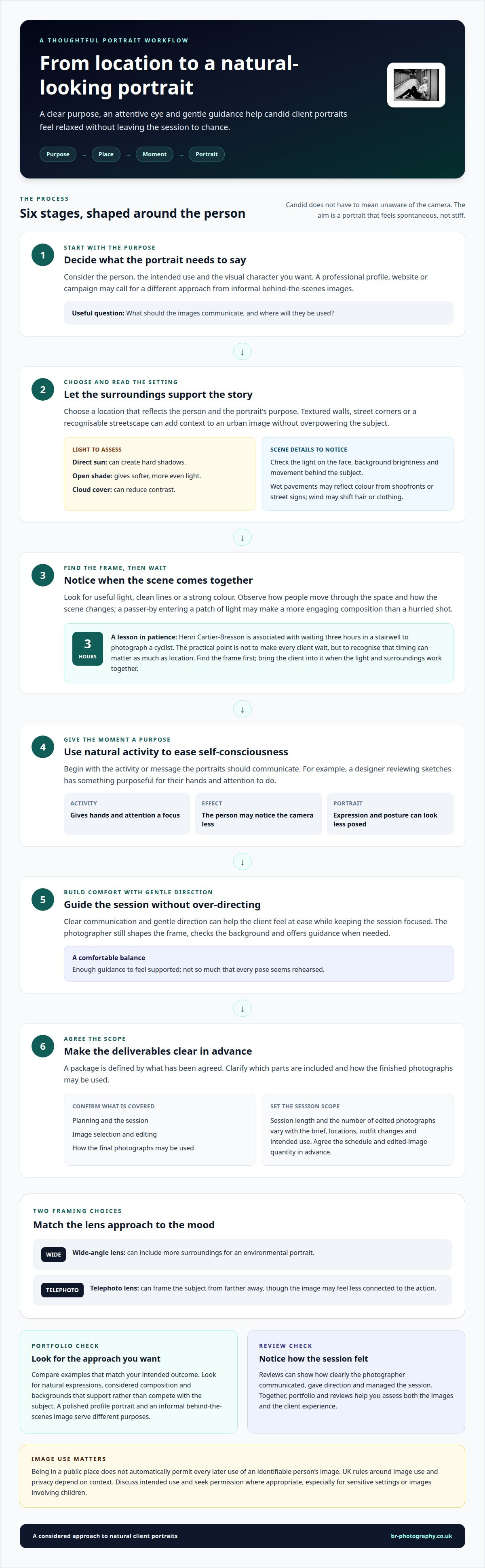
A strong candid portrait starts with a setting that adds meaning without distraction. The photographer considers how light, movement and background work together, then chooses the right moment.
Choosing subjects and settings
Choose a location that reflects the person and the portrait’s intended use. For an urban image, textured walls, street corners or a recognisable streetscape can provide context without overpowering the subject. A Notting Hill studio location offers a different visual choice, with the surrounding area available as a source of colour, architecture and street detail. Consider how the backdrop supports the person’s story.
A photographer can take candid portraits in public places, but being in public does not automatically permit every later use of an identifiable person’s image. UK rules around image use and privacy depend on context. Discuss the intended use and seek permission where appropriate, especially for sensitive settings or images involving children.
Waiting for candid moments
Waiting is an active part of the process. First, identify a backdrop with useful light, clean lines or a strong colour. Then observe how people move through it and how the scene changes. A passer-by entering a patch of light, for example, may create a more engaging composition than a hurried photograph taken before the background settles.
Henri Cartier-Bresson is associated with waiting three hours in a stairwell to photograph a cyclist. The practical lesson isn’t to make every client wait, but to recognise that timing can matter as much as location. For a planned portrait, the photographer can find the frame first, then invite the client into it when the light and surroundings work together.
Outdoor conditions and lighting
Outdoor conditions change a portrait’s look and feel. Direct sunlight can create hard shadows, while open shade gives softer, more even light. Cloud cover can reduce contrast, and wet pavements can reflect colour from shopfronts or street signs. Before choosing a spot, assess the light on the face, the brightness of the background and anything moving behind the subject.
Weather also affects comfort and composition. Wind may shift hair or clothing, while rain can make a street scene reflective and atmospheric. A wide-angle lens can include more surroundings for an environmental portrait; a telephoto lens can frame the subject from farther away, though the image may feel less connected to the action. Choose the approach that suits the intended mood.
That approach works especially well when the location is part of the portrait’s character. Rather than moving on immediately, the photographer can stay attentive and let passersby enter the frame in relation to the setting. Waiting at an interesting location gives people a chance to appear within it, allowing the surroundings to contribute to the image rather than serving only as a backdrop. The photographer recommends staying in place long enough for a scene to develop; Cartier-Bresson’s wait of 3 hours in a stairwell to photograph a cyclist illustrates the patience involved. The aim is to notice when the setting and passing activity come together.
Applying candid portrait skills to client work
Client portraits can feel candid without leaving the session to chance. The photographer plans a clear purpose, then uses natural movement and gentle direction to keep the images relaxed.
Start with the activity or message the portraits should communicate. A designer reviewing sketches, for example, can give their hands and attention something purposeful to do. People absorbed in an activity are less likely to notice the camera, which can help their expressions and posture look less posed. The photographer still shapes the frame, checks the background and offers guidance when needed.
A UK candid portrait photography package is defined by its agreed deliverables. Clarify whether it covers planning, the session, image selection, editing and how the final photographs may be used. These details help you assess whether the work suits a professional profile, website or campaign, rather than assuming every package includes the same things.
Session length and the number of edited photographs vary with the brief, locations, outfit changes and intended use. A focused headshot session has different needs from a series showing a maker at work. Agree the schedule and edited-image quantity in advance, so the shoot has a clear scope and the final selection supports your planned channels.
Portfolio and review criteria
A portfolio shows how a photographer handles expression, composition and changing environments. Look for a varied range, such as close portraits alongside wider images that show someone working in a studio. Notice whether faces look natural and backgrounds support, rather than compete with, the subject. Reviews can reveal how clearly the photographer communicated, gave direction and managed the session.
For a useful comparison, choose examples that match your intended outcome. A polished profile portrait and an informal behind-the-scenes image serve different purposes. Check that the portfolio demonstrates the visual approach you want, not just an attractive location or striking colour palette.
Clothing and session preparation
Choose clothes that suit the setting and the role you want the portraits to convey. A creative professional might bring a structured jacket for a profile image and a more relaxed outfit for working shots. Solid colours can keep attention on your expression, while a familiar garment can help you feel like yourself. Prepare each outfit in advance and check how it sits when you move.
Before the session, share the intended use, preferred images and any concerns about being photographed. Bring relevant objects, such as a sketchbook or camera, if they genuinely belong in the scene. If you’re planning portraits for a professional profile, share your portrait brief to start shaping the session around its purpose.
Building rapport and confidence
Natural expressions come more easily when you know what to expect. A photographer can build trust through clear conversation, considered pacing and direction that feels collaborative rather than rigid.
Begin with a short discussion about the portraits’ purpose. A consultant updating a professional profile may want to appear approachable and assured, while an artist might prefer images that show personality and creative focus. Explain what the photographs need to communicate, then discuss the planned approach in plain language. Knowing where the images will be used gives each choice a clear purpose.
Equipment can influence how a session feels. Smaller cameras, such as mirrorless models or compacts, can seem less intimidating than larger cameras and lenses. But equipment alone doesn’t create rapport. A friendly, open manner matters too: greet the person warmly, explain the first step and avoid raising the camera before they know what’s happening.
A useful way to settle nerves is to give the client one simple action at a time. For example, invite them to walk towards a doorway, pause to look at an object or adjust a sleeve before turning towards the camera. These prompts offer a focus beyond “just pose”, which can feel vague and uncomfortable. Give specific feedback, such as relaxing the shoulders or turning slightly towards the window.
- Explain the next step: describe where the client will stand and what you’ll ask them to do.
- Use a natural prompt: ask them to handle a familiar object or move through a real task.
- Pause for feedback: let them say which expressions or poses feel most like them.
Open conversation helps, too. A photographer with a friendly manner can encourage positive responses from people they meet and should talk to anyone who asks what they’re doing. In a client session, the same principle means answering questions rather than pushing on while uncertainty grows. If a pose feels awkward, adjust it together. That exchange can make the next frame more relaxed.
For an informal portrait with a stranger, one suggested approach is to ask for 15 seconds of their time. That brief request sets a clear expectation and gives the person a simple choice. In a planned client session, agree on the purpose and pace before taking photographs. The strongest rapport comes from clear communication, respect and direction that leaves room for the person’s own character.
Find and compare candid portrait photographers in the UK
Start with your location and the purpose of the photographs. Someone in Leeds seeking natural personal portraits needs a different visual approach from a West Yorkshire business planning images for its website. Search using a place name alongside terms describing the style and intended use. This narrows the results towards photographers whose work and location may suit your brief.
Define your brief before searching
Write down what the portraits need to do before comparing photographers. A consultant may need an approachable profile image, while a designer may want photographs that show their creative process. Note whether you prefer a studio, an urban setting or another backdrop. These details help you judge whether a photographer’s approach fits, rather than choosing based on location alone.
Then consider practical geography. A photographer based near Leeds may make an urban session easier to plan, while a studio elsewhere could suit a controlled setting. Decide how far you’re willing to travel and whether the setting itself matters to the final images. A clear location preference makes your search more focused.
Compare approach and communication
Look beyond the label “candid”. Photographers may use the term for different styles, from documentary-style images to guided portraits with relaxed expressions. Read how each one explains their process. Does the description show how they plan a session, direct a subject and adapt to the intended use? Those details reveal more than a broad style label.
Use the same criteria for each photographer you consider. Compare the session setting, the level of direction described and how clearly the process is explained. If you feel uneasy posing, for instance, a collaborative approach with simple prompts may suit you better than a session built around rigid poses. Clear communication before booking also helps set expectations.
Make a practical shortlist
Keep your shortlist focused on fit. A candid portrait photographer in the UK should be able to explain how their approach supports your goals, whether you’re creating a professional profile or images for a personal brand. Consider the style you want, the planned setting and how comfortable you feel discussing the brief. A good match is about more than distance.
Before deciding, summarise your needs in a short message: intended use, preferred setting, visual style and any concerns about being photographed. This gives you a useful basis for comparing replies. Notice whether the photographer addresses your points and explains the next steps clearly. A specific brief makes the comparison more meaningful and keeps the decision grounded in your priorities.
What should I look for in a candid portrait photographer’s portfolio and reviews?
A portfolio shows the photographer’s finished work; reviews can reveal how the session felt. Assess both against your brief, such as natural portraits for a professional profile or images for a creative campaign. Look for a consistent approach across different settings, rather than judging the photographer by one striking image.
Study complete examples where possible. A strong sequence might show a subject arriving, engaging with their surroundings and relaxing in front of the camera. Notice whether expressions feel varied and believable, and whether gestures look comfortable. If every image has the same smile, pose and framing, the work may not demonstrate much range. Check how the photographer handles both close portraits and wider compositions.
Then look at the relationship between subject and setting. In an urban portrait, for example, a shopfront or brick wall should contribute atmosphere without drawing attention away from the person. In a workplace portrait, tools or materials can add context when they genuinely relate to the subject. Ask whether the environment feels intentional in each image, rather than simply decorative.
- Expression: look for believable moments, including thoughtful or focused expressions.
- Consistency: compare several images to see whether quality and visual style hold together.
- Context: notice whether backgrounds and objects add meaning to the portrait.
- Retouching: check that skin and colour still look natural to you.
Reviews offer a different kind of evidence. Look for specific accounts of the photographer’s communication, direction and response to feedback. A review saying “the photographer explained each step” tells you more about the experience than a general compliment. Comments about feeling comfortable in front of the camera can be especially relevant if you’re nervous about being photographed.
Consider how closely each review reflects your priorities. If you need portraits for a professional profile, feedback about clear planning and useful final images may matter most. If you want a more expressive result, look for descriptions of creative collaboration. Reviews describe individual experiences, so look for recurring details rather than treating one comment as a guarantee of your own session.
Use the portfolio and reviews together. A polished gallery shows what the photographer can create; detailed feedback helps you understand the process behind it. Compare both with your brief, then discuss your portrait ideas and the visual direction you’re considering.
BR-Photography: Portrait photography
BR-Photography creates portrait photography for people who want images shaped around their personality, purpose and preferred visual style. If you’re planning a professional profile, personal brand images or a more expressive portrait, the session can be guided towards the way you want to be seen.
Urban Portrait Photography brings the surrounding environment into the image, while Fashion Photography offers a more style-led direction. The right approach depends on the story your photographs need to tell and where you plan to use them. Share your ideas, intended use and any concerns about being photographed to start shaping the brief.
To discuss your portrait photography, contact BR-Photography or visit br-photography.co.uk.
Shape portraits around your next chapter
Your photographs can do more than record how you look today. They can express the direction you’re taking, whether you’re refreshing a professional profile, developing a personal brand or shaping a new creative identity. A clear brief gives your photographer a purposeful starting point and helps connect the final images to where they’ll be seen.
If you’re considering a candid portrait photographer in the UK, focus on the impression you want to leave and how you’d like the session to feel. BR-Photography offers Portrait Photography, Fashion Photography, Urban Portrait Photography and Personal Branding Photography, each suited to a different creative direction. The next step is to share the purpose behind your portraits and the look you have in mind.
Contact BR-Photography about a portrait session and take the first step towards imagery that feels considered, personal and true to you.
Disclaimer
"The information provided in this Blog post is for general informational purposes only. While I strive to provide accurate information, I make no representations or warranties of any kind about the accuracy, reliability, or completeness of this information. Any reliance you place on such information is strictly at your own risk. In no event will I be liable for any loss or damage derived from the use of this blog."


