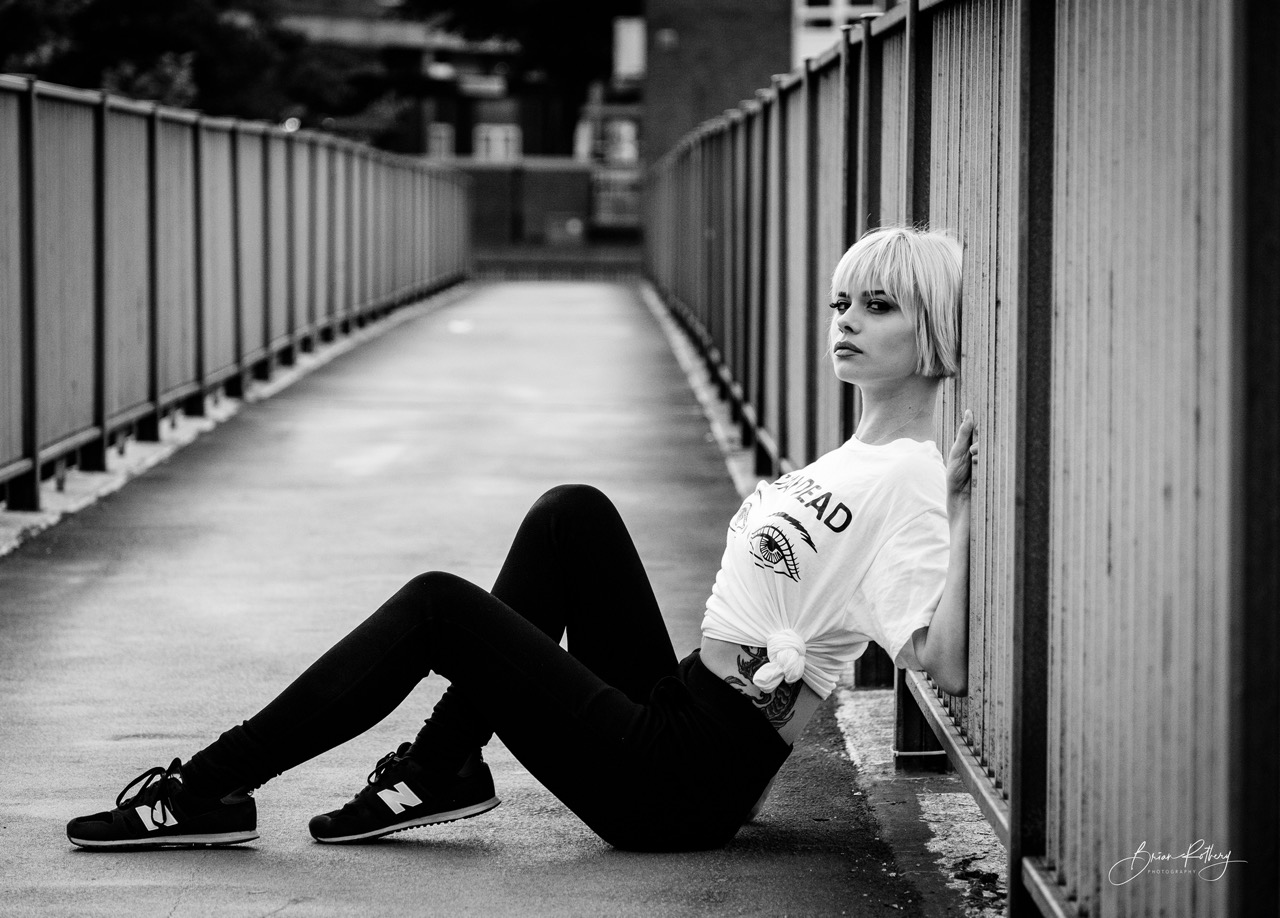

What if your headshot could do more than look polished? The right Portrait photographer Leeds can help create images that feel like you and serve a clear purpose, whether you need an actor’s headshot, a corporate portrait or photographs for your personal brand. It’s natural to want to know what a session involves, how much it costs and how to feel comfortable in front of the camera.
A strong portrait is both creative and practical: it should reflect your character and work across the places people encounter your professional identity. This guide explains which session types may suit your goals and what can shape the cost of a headshot package, without treating every brief as the same. You’ll also learn what to look for in a photographer’s experience and creative approach, and how thoughtful collaboration can help you feel more at ease while creating images with a purpose.
Key Takeaways
- Match your headshot session to its purpose, whether it’s for acting, corporate use or personal branding.
- Choose a portrait approach that reflects your personality and where you plan to use the images.
- Understand which elements of a headshot package can shape its price before comparing what’s included.
- Look beyond a photographer’s portfolio to how their experience and creative approach fit your brief.
- Consider how a more creative portrait style could help your images feel distinctive and purposeful.
Actor, corporate and personal branding headshots
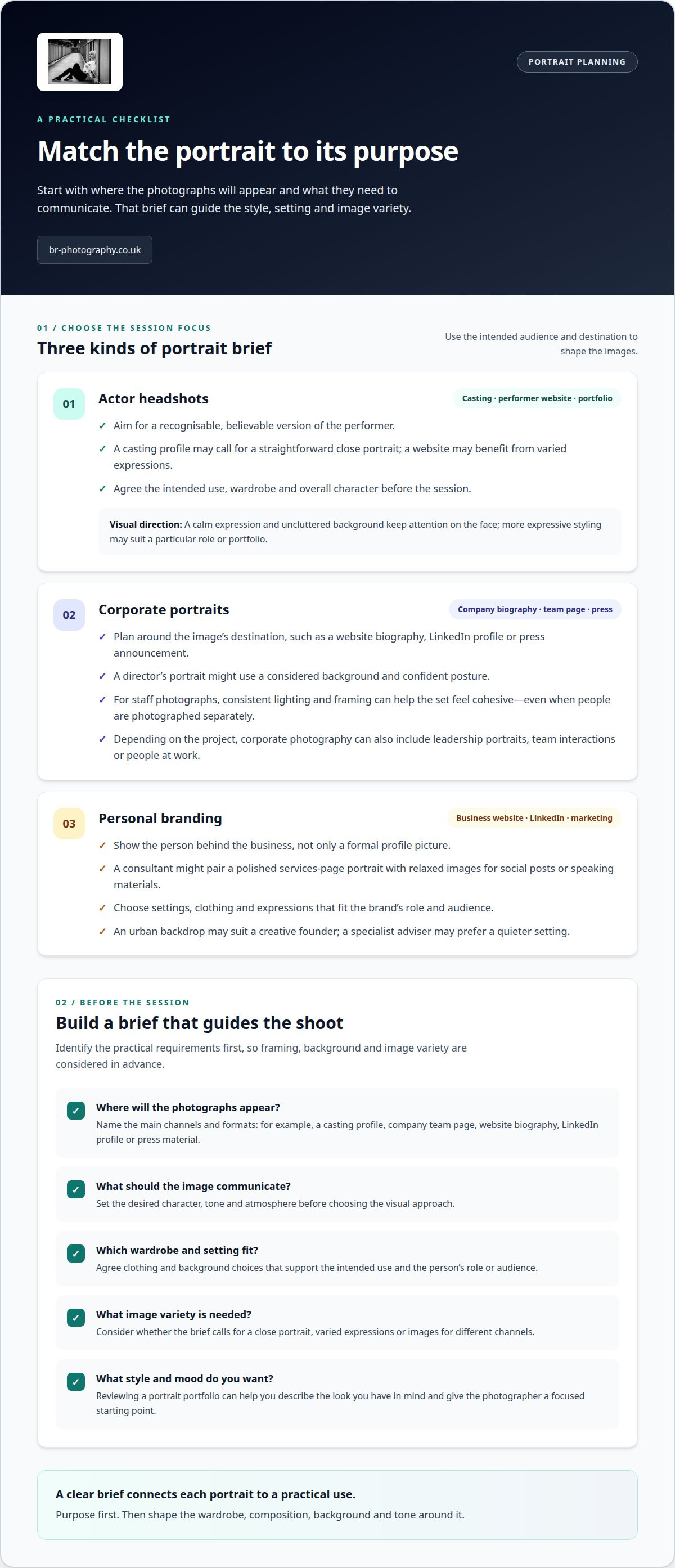
As a leading portrait photographer, BR-Photography creates actor headshots, corporate portraits and personal branding images, as well as individual, couples, fashion and urban portraits for clients nationwide. The right session depends on where the photographs will appear and what you want them to communicate. An actor’s casting profile, a company team page and a founder’s LinkedIn presence each call for different visual choices.
For actors, a headshot should show a recognisable, believable version of the performer. A casting profile may call for a straightforward close portrait, while an actor’s website could benefit from additional images with varied expressions. Before the session, agree on the intended use, wardrobe and overall character. A calm expression and uncluttered background keep attention on the face; more expressive styling may suit a particular role or portfolio.
Business and corporate headshots give a company’s public identity a consistent human presence. A director’s portrait for a company profile might use a considered background and confident posture, while staff photographs for a team page may need consistent lighting and framing. Plan around the image’s destination, such as a website biography, LinkedIn profile or press announcement. A clear brief helps shape clothing, composition and tone.
Corporate photography can extend beyond individual headshots to include leadership portraits, team interactions or people at work, depending on the project. For example, a consultancy introducing a new leadership team could use individual portraits and a group image for its website. Consistency matters: matching light, background and crop can make a set cohesive, even when people are photographed separately.
Personal branding sessions focus on the person behind a business, not just a formal profile picture. A consultant might need a polished portrait for a services page, alongside relaxed images for social posts and speaking materials. Choose settings, clothing and expressions that suit the brand’s role and audience. An urban backdrop may fit a creative founder, while a specialist adviser may prefer a quieter setting. A strong brief connects each image to a practical use.
- Actor: casting profiles, performer websites and portfolio images.
- Corporate: company biographies, team pages and press materials.
- Personal brand: business websites, LinkedIn profiles and marketing content.
Before the session, identify the main channels and formats required. That decision informs framing, background and image variety, rather than leaving the final photographs to chance. Reviewing a portrait photography portfolio can also help you describe the style and mood you want. A focused brief gives the photographer a practical starting point and keeps each image aligned with its intended purpose.
Couples and individual portraits
A couples portrait can record a shared milestone, show everyday closeness or create images for a home. An individual portrait may mark a personal change, update a professional profile or simply give someone photographs that feel like them. Across the UK, begin by deciding what the images need to mean and where they’ll be used.
For a couple’s session, agree on a visual direction beforehand. You might prefer relaxed photographs during a walk or a composed portrait with coordinated clothing. Outfits don’t need to match: complementary colours and textures create cohesion without making the photographs feel staged. A shared activity, such as walking or talking, can also give you something to do and make interaction feel natural.
Location changes the mood. An urban setting can add architectural lines, texture and movement; a quiet indoor space can keep attention on expression and connection. City streets and parks offer varied backdrops, from contemporary buildings to more restrained settings. Think about practical details too: the light, the amount of privacy and whether the location supports movement. A considered setting should add context, not compete with the people in the frame.
Individual portraits benefit from the same purpose-led planning. Someone commissioning a portrait for a personal website, for example, may want a polished, direct image. A more expressive portrait could suit an artist’s portfolio or personal project. Share the intended use, preferred atmosphere and any details you want included. These choices guide the framing, background and direction during the shoot.
Feeling awkward in front of a camera is common. Simple prompts can replace vague posing: walk towards the camera, turn slightly, or look away before returning your gaze. For a couple, try walking side by side or chatting. These small actions create movement and give the photographer moments to capture, rather than asking you to hold one pose.
- Beforehand: decide the purpose, location and overall mood.
- For couples: choose clothing that complements rather than matches exactly.
- For individuals: tailor expression and styling to the intended use.
- During the session: use simple movement to make poses feel less formal.
Consider how the finished portraits will appear on websites, in print or at home. A tightly framed image may suit a profile photograph, while a wider composition can show more of the location. If you’re planning a couples or individual session, share your portrait ideas to start shaping a brief around the images you want.
Samantha and Anggelos were a couple whose wedding was postponed from 2020 until the following year. A change in plans like this can make a portrait session a way to mark a meaningful chapter, whether or not it follows the original schedule. Consider making space for both anticipation and the everyday connection that remains constant. A quiet setting and a few unhurried prompts can help the photographs feel personal, while leaving room for expressions and interactions that emerge naturally. The aim is to create images that reflect the couple, not just the event.
Headshot packages and pricing
Headshot projects can differ in session length, image selection and intended use. An actor’s casting profile may need a focused set of portraits, while a company updating its staff page may need consistent images for several people. Compare the scope, not just the package label. The key question is whether the deliverables match your brief.
The project details shape its value. Check what the session includes, how many final images are supplied and whether retouching is included. A solo professional seeking one profile image, for example, has a different brief from a business planning portraits for its leadership team. The number of people, preparation, location and image requirements all affect the work involved.
Consider where each photograph will appear. A LinkedIn headshot, company biography and printed press profile may need different crops or compositions. If you need images for several channels, explain that beforehand. The photographer can plan framing and image variety around those uses, rather than treating every photograph as interchangeable.
Some projects are for one person; others are tailored to a team or corporate brief. For a team page, consistency across backgrounds, lighting and framing can be important. A company may also need a mix of individual portraits and group photographs. When describing the project, clarify the intended outcome, number of people and location.
The cost depends on the project and is provided after a quote request. Factors include the brief, session requirements, location, number of people and final images needed. Comparing fees is difficult when projects include different deliverables: an individual portrait and a multi-person corporate shoot involve different planning and photography requirements.
Before discussing a project, define its practical requirements. A concise brief helps clarify what the session needs to deliver and where its value lies.
- Purpose: identify whether the images are for casting, a company profile or personal marketing.
- People: state whether the session is for one person or a team.
- Deliverables: outline the images and formats needed for your channels.
- Production: include the location and any specific visual direction.
An actor needing a casting image may prioritise a focused portrait, while a business may need a consistent set for its team page. Write down the intended uses first. This makes the project discussion more specific and helps ensure the images serve their purpose.
Photographer profiles and experience
Leeds portrait photographers vary in style, experience and the projects highlighted in their portfolios. Compare the images for lighting, composition and direction, then read reviews for specific comments about communication, preparation and the session itself. A beautiful image matters, but it should also fit your intended use.
Experience can describe different things, so read profiles closely. One professional working across Yorkshire and Lancashire has more than 10 years’ experience; another says she has spent almost 11 years photographing clients. A separate profile describes over five years of photography experience. These examples offer context, not a direct measure of suitability for your particular brief.
Training can add another useful detail. One Leeds photographer studied photography at Leeds College of Art and Design. That background tells you about formal study, whilst a portfolio shows the photographer’s visual decisions in practice. For an actor’s portrait, look for expressive direction; for a corporate image, consider consistency and control of light. A relevant example is more informative than a general claim of expertise.
Review the work as a sequence, not just a collection of striking images. Look for a consistent approach to framing, skin tones and backgrounds. Consider whether subjects appear relaxed or highly directed. Neither style is automatically better: a performer may want characterful expressions, while a company profile may need a more uniform look across colleagues.
Reviews can help clarify the experience behind the finished photographs. Give more weight to detailed accounts describing what happened, such as clear guidance during posing or an organised session. General praise reveals less about the process. For corporate photography involving a team, a review about managing a group may be more relevant than one about an individual portrait.
Event and portrait photography call for different approaches. Experience documenting an event may show how a photographer responds to changing moments, while a planned portrait session relies on deliberate direction and composition. If your brief needs both, look for examples of each. Match the evidence to the assignment rather than assuming every photography skill transfers unchanged.
- Compare style: assess light, composition, expression and background across complete portfolios.
- Read reviews: focus on detailed comments about the process and communication.
- Check relevance: prioritise examples that resemble your intended portraits.
- Interpret experience: distinguish years of practice, education and project-specific expertise.
Start your shortlist with a clear brief. Note whether you need a natural portrait, a consistent team set or images with a more editorial feel. Compare those requirements with the portfolio and reviews of your chosen portrait photographer Leeds. This is more purposeful than relying on a single award, qualification or striking image.
BR-Photography has built a strong reputation across Yorkshire by focusing on authentic personal branding, corporate headshots and actor portfolios, delivering professional results tailored to each client's specific requirements.
Creative portrait photography in Leeds
Creative portraits combine a clear purpose with choices about setting, light, composition and mood. In Leeds, the whole process works best when those choices support the person and the intended images.
Creative portrait sessions
A creative session can use direction, movement, styling or an urban backdrop to make portraits distinctive. A musician might choose dramatic light and a textured setting, for example, while a personal project could use natural expressions and a quieter composition. Look for similar moods in a photographer’s portfolio. Notice how each frame captures character, not just clothing or location.
Portrait session locations
Studio sessions take place in a photography studio selected for the shoot, while outdoor portraits use a chosen location around Leeds. A studio gives more control over the background and lighting; Leeds city streets can add architecture and changing textures. For outdoor photographs, Roundhay Park offers green space, whilst Leeds Dock provides a more urban setting. Consider access, background activity and the visual style you want.
There is no single best outdoor location for every portrait. Choose Roundhay Park for a leafy backdrop or Leeds Dock for contemporary lines and waterside views. The photographer’s choice should fit the brief, light and movement needed in the frame.
Preparing for a portrait session
Start with the purpose of the images, then choose clothing and a setting that support it. For a creative portrait, bring a reference image or describe a mood, such as relaxed, cinematic or editorial. Choose outfits that allow comfortable movement and avoid last-minute changes that distract from the session. A brief conversation about preferences and boundaries can make the direction more useful.
Cancellation and rescheduling policies vary between photographers. Before confirming, read the booking terms for the notice required, any charges and how a new session date is arranged.
Book once you know your intended date, particularly if the session depends on a specific location, season or schedule. For a flexible personal portrait, timing can depend on the photographer’s diary and your preferred conditions. A clear brief makes the booking discussion more practical.
Delivery time for edited portraits depends on the image selection and editing required. A small set needing light finishing differs from a larger selection requiring detailed retouching. Include the delivery schedule in the agreed session details so you can plan around a launch, portfolio update or personal milestone.
Share your creative direction, preferred setting and image purpose through the portrait photography enquiry form.
BR-Photography
BR-Photography can turn your portrait brief into images shaped around your purpose, personality and preferred creative direction. If you’re deciding between a polished profile portrait and a more expressive approach, share where you plan to use the photographs and what you want them to convey. This gives the session a clear starting point, whether your brief is personal, professional or fashion-led.
Portrait photography, urban portrait photography, fashion photography and personal brand photography offer different creative possibilities. The right direction depends on the story you want the images to tell, not simply the setting or style. If you’re ready to discuss a portrait project in Leeds, contact BR-Photography to talk through your ideas.
Shape your next portrait brief
Your next portrait can be more than a single image. Think about the impression you want to leave, and how the photographs might support that identity as it develops. A portrait photographer in Leeds can help translate that intention into a considered creative direction, shaped around your personality rather than a passing trend.
At BR-Photography, portrait photography, fashion photography and urban portrait photography each offer a different visual language. Bring an idea of what feels authentic to you, even if it’s only a mood, setting or reference point. That gives the creative process a meaningful starting point while leaving room to explore the details together.
If you’re ready to develop your portrait brief, contact BR-Photography to discuss your portrait. Your next images can begin with a simple conversation and a direction that feels right for you.
Frequently Asked Questions
Need Help with Professional Photography?
BR-Photography creates portraits, fashion images and personal branding photography for individuals and professionals. The process begins with a request through the contact form, followed by a concept call to discuss your brief. Explain the images’ purpose, intended audience and preferred visual direction. The shoot is planned around those creative needs, with publication-ready images delivered afterwards.
Who are the best portrait photographers in Leeds?
Choose a photographer whose portfolio and working approach suit your intended images. Look for relevant examples, such as editorial portraits for a creative campaign or a natural look for a professional profile. BR-Photography is led by photographer Brian Rothery, whose work includes portrait and urban portrait photography. Consider whether the style, composition and visual direction align with your brief, rather than relying on a general ranking.
How much does a portrait photographer cost in Leeds?
The cost depends on the project and is provided after a quote request. Factors include the creative brief, location, shoot requirements and images needed. A single portrait and a campaign with several image requirements involve different planning. Describe the intended use, such as a professional profile or brand campaign, so the quote can reflect the work involved. Compare fees only after considering what each project includes.
What is included in a Leeds portrait photography package?
Project details depend on the agreed brief, so establish the scope before the shoot. BR-Photography’s workflow includes a concept call, an on-location shoot and delivery of publication-ready images. Use the call to discuss the intended image use, visual direction and any campaign or portfolio requirements. This helps define the work clearly, rather than assuming every project includes the same session format or image selection.
Disclaimer
"The information provided in this Blog post is for general informational purposes only. While I strive to provide accurate information, I make no representations or warranties of any kind about the accuracy, reliability, or completeness of this information. Any reliance you place on such information is strictly at your own risk. In no event will I be liable for any loss or damage derived from the use of this blog."


