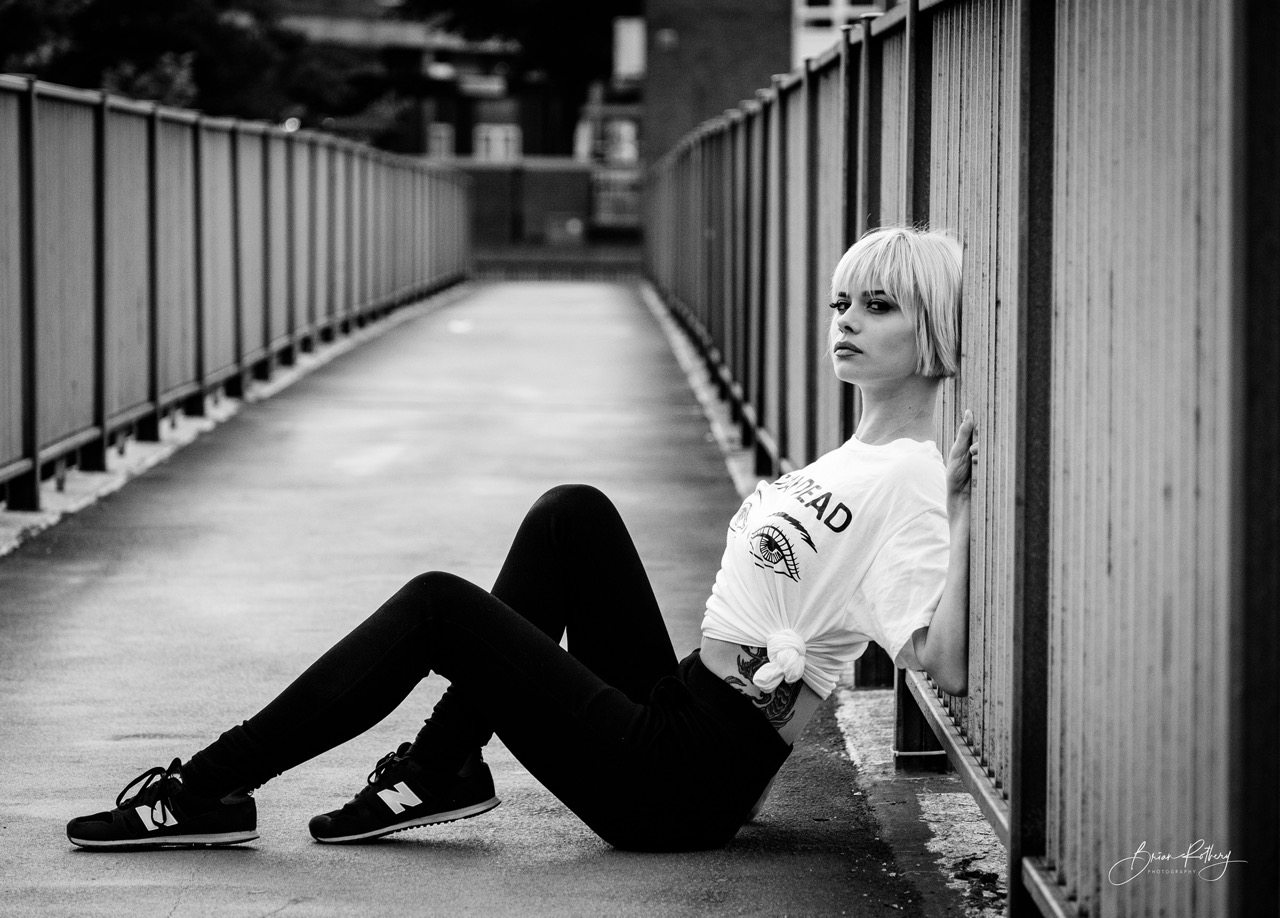

A high-fashion photograph is never just about the clothes; it's a calculated exercise in narrative tension. For many creatives, the leap from capturing "pretty pictures" to executing sophisticated high-fashion photography concepts feels like an insurmountable technical and conceptual chasm. You likely understand that a striking image needs more than just a beautiful model and expensive lighting. Yet, articulating that specific creative vision to a team often remains a point of frustration and professional anxiety.
It's a common struggle to balance raw artistic expression with the functional requirements of a commercial brand. This guide provides a definitive framework to help you bridge that gap. You'll discover how to develop and structure concepts that elevate your visual identity from mere imagery to strategic brand assets. We will explore the essential balance between art and commercial strategy, giving you the confidence to organise high-stakes narratives that resonate in a competitive market. From urban aesthetics to personal branding, we'll outline the steps to turn a creative spark into a professional, results-oriented reality.
Key Takeaways
- Learn to move beyond mere product display by embracing narrative-driven storytelling that transforms your images into strategic brand assets.
- Master the "Tension Framework" to develop sophisticated high-fashion photography concepts that utilise juxtaposition to create immediate visual impact.
- Understand the three structural pillars—Minimalist, Avant-Garde, and Cinematic—to provide clear, authoritative direction to your creative team.
- Gain a clear workflow for translating conceptual moodboards into technical lighting plans, ensuring confidence and precision during high-stakes execution.
- Discover how to integrate editorial aesthetics into personal brand photography to project professional ambition and modern authority in your sector.
Defining High-Fashion Photography Concepts for 2026
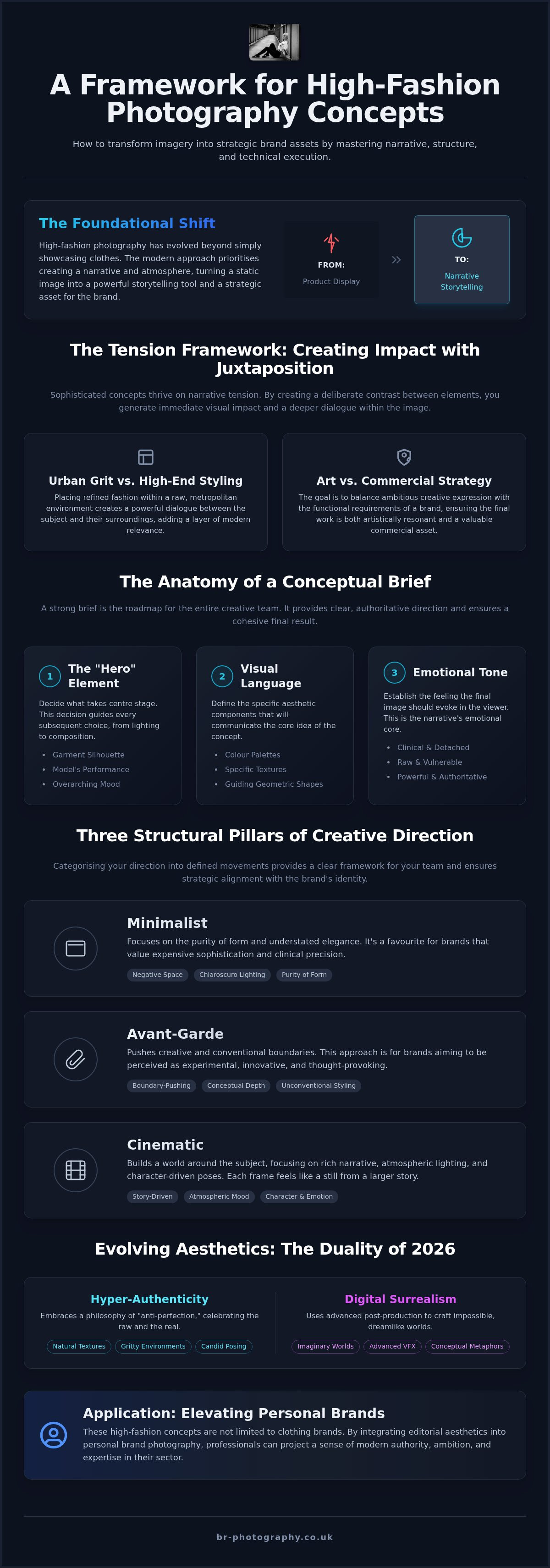
High-fashion photography functions as a sophisticated medium for storytelling. It's a departure from simple product display. Whilst commercial catalogue work focuses on the literal details of a garment, high-fashion photography concepts thrive on metaphor and narrative tension. A successful concept serves as the foundation for any editorial or brand campaign. It transforms a static image into a strategic asset. To understand this shift, one must look at the history of fashion photography, which has evolved from basic illustration to the complex, narrative-driven imagery we see today.
In 2026, the traditional notion of "glamour" is being replaced. We're seeing a move towards conceptual work that prioritises atmosphere over perfection. This isn't just about couture. It's about how a brand's identity interacts with the world. The grit of a metropolitan centre provides the perfect juxtaposition for high-end styling, creating a dialogue between the subject and the environment. This shift demands a professional perspective that values investment over low-cost, disposable imagery.
The Core Elements of a Conceptual Brief
A conceptual brief is the roadmap for your creative team. It ensures everyone is moving towards the same visual goal. Without it, you risk a disjointed result that lacks impact. Identifying the "Hero" element is your first step. You must decide what takes centre stage. Is it the silhouette of the garment, the model's performance, or an overarching mood? Defining the visual language follows. This includes your chosen colour palettes, specific textures, and the use of geometric shapes to guide the eye. Finally, you must set the emotional tone. This could range from a clinical, detached aesthetic to a sense of raw, human vulnerability.
The Evolution of High-Fashion Aesthetics
The aesthetic landscape in 2026 is defined by a fascinating duality. On one hand, we have "Hyper-Authenticity," which embraces "anti-perfection" and natural textures. On the other, "Digital Surrealism" uses advanced post-production to create dreamlike, impossible environments. Urban environments play a critical role here. They offer a sense of modern relevance and local expertise that generalist studios often miss. A fashion concept is the strategic intersection of art and commerce. This balance ensures that whilst the work is creatively ambitious, it remains a vital investment for a brand's growth. We don't just create images; we build visual identities that command authority.
Structural Pillars: Aesthetic Movements and Visual Motifs
Successful high-fashion photography concepts are never the result of happy accidents. They are built upon deliberate structural pillars that dictate how a brand is perceived by its target audience. By categorising your creative direction into defined movements, you transition from subjective guesswork to strategic visual execution. Whether you choose the clinical precision of Minimalism or the boundary-pushing nature of the Avant-Garde, every decision must reflect the brand's core behaviour. A deep understanding of the aesthetic movements in fashion photography enables us to borrow established visual motifs and recontextualise them for a contemporary urban audience.
Visual motifs serve as the primary vocabulary for your shoot. Architectural lines can project a sense of structural authority. Harsh, high-contrast shadows might imply exclusivity or a hidden depth. Within this framework, the location functions as a character in its own right. A brutalist concrete structure or a sleek glass facade does more than provide a backdrop; it provides the narrative friction necessary to make the subject stand out. The environment acts as an active participant whilst ensuring the subject remains the undisputed focal point of the frame. Selecting a movement that aligns with your professional ambition is vital for long-term growth. If you are unsure which aesthetic pillar best supports your brand identity, it is worth taking the time to collaborate on a visual strategy that ensures your investment yields a high-end result.
Minimalism vs. Maximalism in Fashion
Minimalist concepts focus on the purity of form. They utilise negative space and chiaroscuro lighting to create a sense of calm, expensive sophistication. This approach is often the favourite for brands that value understated elegance. Maximalism, however, thrives on controlled chaos. It uses clashing patterns, intricate sets, and high-energy direction to command immediate attention. Both are valid, but they communicate vastly different brand values. The choice should be dictated by the functional role the imagery needs to play within your marketing ecosystem.
Cinematic and Narrative-Driven Concepts
Cinematic concepts rely heavily on the "Frozen Moment" technique to imply a larger, ongoing story. This method creates a sense of intrigue amongst the visual elements, inviting the viewer to wonder what happened just before the frame was captured. In an urban fashion context, we often employ cinematic lighting, such as neon or tungsten, to build atmosphere. This creates a narrative depth that static studio shots simply cannot replicate—a standard of storytelling also upheld by luxury destination experts junophoto.com. It turns a simple portrait into a high-stakes visual asset that commands authority.
Developing a Narrative: The Strategy Behind the Lens
Aesthetics alone are a commodity; strategy is the differentiator. Developing sophisticated high-fashion photography concepts requires moving beyond the surface level to answer a single, critical question: Why? Every visual choice, from the tilt of a chin to the specific texture of a backdrop, must serve a broader purpose. We view the creation of a fashion narrative as a collaborative alliance. It's not a simple transaction where a photographer dictates a look. Instead, it's a co-authored story where your brand's ambition meets our creative expertise. This strategic foundation ensures that the final assets aren't just "pretty pictures" but functional tools that drive professional growth.
The "Tension Framework" is our primary tool for creating immediate visual interest. This involves the deliberate use of juxtaposition to spark a reaction. Think of the friction created when placing delicate, flowing silk amongst the brutalist angles of a concrete city centre. This contrast forces the viewer to pause. It highlights the refinement of the couture by surrounding it with raw, industrial reality. Throughout history, masters of the craft have been shaping style and beauty by using these narrative layers to challenge expectations. By building a story that resonates with a specific target audience, we elevate the work from a standard photoshoot to a high-stakes brand investment.
The Psychology of the Subject
Subject anxiety is often a byproduct of feeling like an object in a frame rather than a participant in a story. We overcome this by grounding every movement in the narrative. We don't just ask for a pose; we direct behaviour to match the concept. This might mean transitioning from a "Statuesque" stillness that projects power to a "Fluid Motion" that suggests modern agility. When you inhabit a concept rather than just posing for it, the result is an authentic visual authority. This supportive approach puts even the most nervous subjects at ease, allowing their natural ambition to lead the creative output.
Strategic Juxtaposition in Urban Environments
The UK’s urban landscape is a favourite for modern conceptual work because of its inherent narrative grit. The interplay of natural light against hard architectural shadows provides a depth that a controlled studio environment often lacks. Industrial textures, such as weathered brick or oxidized steel, serve to highlight the precision of high-end tailoring. These environments act as a catalyst for storytelling. They provide a sense of place and local expertise that makes the concept feel grounded and relevant. It's about using the city as a canvas to project a brand that is both modern and deeply committed to authenticity.
From Moodboard to Masterpiece: Technical Execution
Translating a mental moodboard into a technical plan is where the professional creative partner proves their value. It's the bridge between an abstract idea and a functional brand asset. Organising a high-stakes shoot requires precise coordination amongst the creative team. Stylists, makeup artists, and assistants must all be aligned with the core narrative to ensure the visual identity remains cohesive. We rely on "Digital Tech" workflows, where tethered shooting allows for real-time concept refinement. This ensures every frame meets the rigorous standards of sophisticated high-fashion photography concepts before the model leaves the set.
Technical choices must be deliberate. A wide-angle lens might be used to emphasise the architectural scale of an urban environment, whilst a telephoto lens focuses on the intricate textures of a garment. Using modern tools like the Sony a7R VI or Canon EOS R5 II provides the resolution necessary for high-end retouching in Photoshop 2026. These aren't just gadgets; they are the instruments used to execute a strategic vision. If you're ready to see your brand vision translated into technical perfection, book a consultation to discuss your project.
Lighting for Conceptual Depth
Lighting is the most powerful tool for establishing atmospheric tension. We often utilise high-contrast setups to create dramatic, editorial-style shadows that define the subject's form. This isn't about mere illumination. It's about sculpting with light. Colour gels can be introduced to reinforce a specific mood, perhaps a cool cyan to suggest clinical detachment or a warm amber for cinematic nostalgia. Balancing ambient urban light with professional strobe equipment requires a nuanced understanding of exposure, ensuring the subject pops against the grit of the city without looking artificial.
The Post-Production Narrative
The narrative doesn't end when the shutter clicks. Colour grading serves as the final layer of the concept, unifying the visual elements into a singular aesthetic movement. We approach retouching with integrity, focusing on enhancing the natural authenticity of the subject whilst achieving a polished, high-end finish. This process should always be a refinement of what was captured on camera. Post-production should enhance the concept, not create it. By maintaining this discipline, we ensure the final imagery feels grounded, modern, and deeply committed to your brand’s long-term success.
Elevating Personal Identity Through High-Fashion Concepts
High-fashion isn't reserved for the catwalk or the pages of glossy magazines. In 2026, it's the new frontier for personal brand photography. Leading professionals and entrepreneurs are moving beyond the standard corporate headshot. They're opting for high-fashion photography concepts that project ambition and modern authority. This transition from a simple record of appearance to a sophisticated editorial portrait is a calculated business investment. It signals that you're a leader in your sector, not just a participant. By adopting the visual language of high fashion, you command a level of prestige that distinguishes your brand from generalist competitors.
Many individuals fall into the trap of playing it "safe" with their visual identity. They choose generic backgrounds and flat lighting because they fear looking "too much" or feel anxious about the technical complexity of a high-end shoot. We challenge this misconception. Authenticity doesn't mean being boring. It means finding a visual narrative that matches your professional trajectory. A strategic creative partner helps you discover this identity, ensuring your visual assets work as hard as you do. We specialise in urban portraiture that puts nervous subjects at ease, allowing your natural authority to lead the creative output.
The Strategic Asset: Visual Branding as Investment
Your digital presence is often the first point of contact for potential clients and partners. In a market where 71% of global consumers reported using social media to guide their purchasing decisions in 2024, your imagery must be impeccable. High-quality visuals are no longer optional; they're vital for establishing trust and professional credibility. We position high-stakes visual projects as an investment in your brand's long-term growth. By utilising editorial aesthetics, we create a sense of prestige that generic providers cannot replicate. This isn't about vanity. It's about functional value in a competitive business ecosystem where visual first impressions are everything.
Your Collaborative Alliance with BR-Photography
Our process is built on a collaborative alliance. We don't just take photos; we co-develop a bespoke concept tailored to your specific professional goals. This includes choosing the right aesthetic movement, perhaps the Minimalist form discussed earlier, to ensure the final imagery integrates seamlessly into your larger business ecosystem. We understand the fast-paced nature of new ventures and the need for assets that feel both contemporary and timeless. Our urban-style expertise ensures your portraits feel grounded in the modern world whilst maintaining a high-end finish. Ready to redefine your visual presence? Enquire about your bespoke fashion-forward session to begin your strategic transformation.
Redefining Your Visual Authority
Mastering high-fashion photography concepts is about more than just aesthetics; it's about transforming your image into a strategic asset. You've seen how a defined narrative and the "Tension Framework" can bridge the gap between a mere picture and a powerful brand statement. Whether you're a designer launching a new collection or an entrepreneur elevating a personal brand, the transition to high-end imagery is a vital investment in your professional growth. It requires a balance of technical precision and creative empathy to turn a moodboard into a masterpiece.
As a specialist in high-end editorial and urban portraiture, I provide a collaborative, strategic approach that puts even the most nervous subjects at ease. With national UK coverage for premium creative projects, we ensure your visual identity resonates with authority and modern ambition. Don't settle for "safe" when you can be iconic. It's time to move beyond the ordinary and embrace a visual identity that truly reflects your long-term goals.
Elevate your visual identity with a strategic fashion-forward session and discover the difference of a professional creative alliance.
Frequently Asked Questions
What is the difference between an editorial concept and a high-fashion concept?
An editorial concept focuses on the narrative structure required for a multi-page magazine layout, whilst a high-fashion concept specifically prioritises the dramatic, avant-garde intersection of couture and art. High-fashion photography concepts often push the boundaries of reality through extreme styling or theatrical lighting. Whilst editorial work tells a story, high-fashion work creates an atmosphere of aspiration and exclusivity that can exist as a single, powerful image.
Do I need professional models to execute a high-fashion photography concept?
No, you don't always need professional models, especially when the goal is personal branding or urban portraiture. Whilst models bring technical posing experience, a strategic creative partner can direct any subject to inhabit a concept effectively. The key is grounding the subject in the narrative to overcome any natural anxiety. This collaborative approach ensures that the final imagery feels authentic to your professional identity whilst maintaining a high-end, editorial finish.
How do I choose a colour palette for my fashion shoot?
Start by identifying the emotional tone of your brand and the specific message you want to convey. Complementary colour schemes create high-energy tension, whilst analogous palettes offer a more harmonious, clinical feel. In 2026, we're seeing a trend towards vibrant, saturated colours contrasted with raw, industrial neutrals. Always ensure your chosen palette reinforces the conceptual foundation of the project rather than just looking aesthetically pleasing.
Can high-fashion concepts be applied to personal brand photography?
Yes, applying high-fashion photography concepts to personal branding is a powerful way to establish professional authority and ambition. It moves your digital presence beyond the generic headshot into the realm of strategic visual storytelling. By using editorial aesthetics, you signal a commitment to quality and a modern, business-savvy mindset. This approach turns your personal portraits into high-stakes assets that command attention in a competitive market.
What are the best types of locations for urban high-fashion photography?
Locations that offer architectural scale and narrative friction are ideal for high-fashion work. Brutalist concrete structures, sleek glass business centres, and weathered industrial sites provide the perfect juxtaposition for refined styling. These urban environments act as a character in the story, providing natural shadows and geometric lines that guide the eye. We often use the grit of the city to highlight the precision of the couture being featured.
How much input should the client have in the conceptual development?
Conceptual development is a collaborative alliance where the client provides the strategic goals and the photographer provides the creative vision. You should be deeply involved in defining the "Why" and the intended brand behaviour, as this ensures the work functions within your larger business ecosystem. Once the strategic foundation is set, the photographer leads the technical execution. This balance ensures the project remains an authentic investment for your brand's growth.
What equipment is essential for shooting high-fashion concepts in 2026?
High-resolution camera bodies like the Sony a7R VI or Canon EOS R5 II are essential for capturing the detail required for high-end retouching. Tethered shooting via a "Digital Tech" workflow is also critical for real-time concept refinement on set. Beyond the camera, cinematic lighting tools such as LED panels with colour gels and professional strobe equipment allow us to sculpt the dramatic shadows synonymous with modern fashion editorials.
Disclaimer
"The information provided in this Blog post is for general informational purposes only. While I strive to provide accurate information, I make no representations or warranties of any kind about the accuracy, reliability, or completeness of this information. Any reliance you place on such information is strictly at your own risk. In no event will I be liable for any loss or damage derived from the use of this blog."


