What if your next session wasn't just a creative task, but a calculated pivot toward a premium market position? Most entrepreneurs feel a flicker of dread when the lens turns toward them. It's natural to worry about looking stiff or failing to capture the nuance of your brand's identity whilst juggling wardrobe choices. Knowing how to prepare for a professional photoshoot is the difference between a collection of awkward poses and a library of visuals that command respect. You deserve assets that feel as sophisticated as your business model.
Mastering this preparation transforms a simple morning in front of the camera into a high-value strategic investment. It's about moving beyond the purely aesthetic to focus on the functional value of your visual assets. This guide will show you how to align your brand message with a sophisticated aesthetic, ensuring a stress-free day where you feel entirely in control. We'll outline the exact framework needed to build a versatile library of high-end imagery that reflects your authority and secures your place amongst the industry elite.
Key Takeaways
- Learn to view your session as a strategic investment in visual currency rather than a mere collection of photographs.
- Discover how to prepare for a professional photoshoot by aligning your location strategy with your brand's unique narrative.
- Curate a wardrobe that communicates professional authority whilst ensuring silhouettes remain sharp and authentic on camera.
- Shift from feeling awkward to feeling in control by trusting in a collaborative alliance with your photographer.
- Maximise your results by selecting final proofs based on their strategic function within your broader business ecosystem.
Defining Your Strategic Vision and Creative Brief
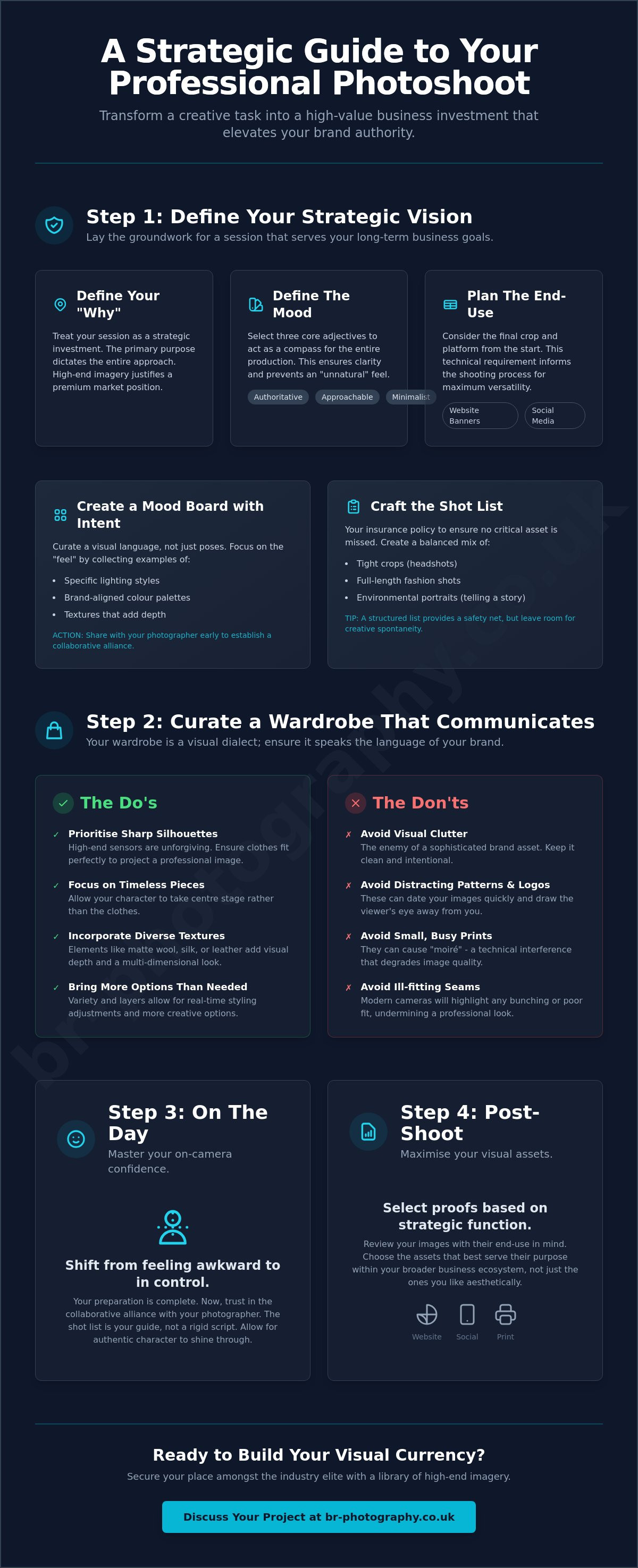
A photoshoot is more than a creative afternoon; it's a strategic deposit into your visual currency. If you're looking for understanding the art of photography in a commercial context, you must start with the "why." Are you building a fashion editorial, a personal brand library, or a series of sharp urban portraits? Each requires a distinct psychological approach and technical execution. High-end imagery justifies premium market positioning, so treat this session as a vital business investment rather than a simple checklist item. Before you even book a studio, identify the primary purpose of these assets to ensure the final output serves your long-term goals.
Defining the mood is where strategy meets art. Select three core adjectives that encapsulate your brand's current trajectory. Words like "authoritative," "approachable," or "minimalist" act as a compass for the entire production. This clarity prevents the "unnatural" feeling many subjects fear. When you know exactly what you're trying to communicate, the lens becomes a tool rather than a threat. Also, consider the technical end-use. If your website requires landscape banners whilst your social media demands portrait crops, this must be decided during the briefing stage. Knowing how to prepare for a professional photoshoot means thinking three steps ahead to the final crop and the digital platforms where the work will live.
Creating a Mood Board with Intent
Curate your favourite aesthetic on platforms like Pinterest or Instagram, but do so with a critical eye. Don't just save poses. Look for specific lighting styles, colour palettes, and textures that resonate with your brand's voice. This visual language bridges the gap between your vision and the final output. Share this board with Brian Rothery early in the process. It establishes a collaborative alliance from the start, ensuring every frame is a deliberate choice rather than a happy accident. Focus on the "feel" of the images amongst your collection to maintain a cohesive brand identity.
Crafting the Shot List
A shot list is your insurance policy. It ensures no critical strategic asset is overlooked in the heat of the moment. Your list should be a balanced mix of tight crops, full-length fashion shots, and environmental portraits that tell a compelling story. This structure provides a safety net, allowing you to feel in control throughout the day. Whilst the list is your foundation, leave room for creative spontaneity. The best moments often happen in the spaces between the "must-have" captures, where authentic character truly shines through without the pressure of a script.
Curating a Wardrobe that Communicates Character
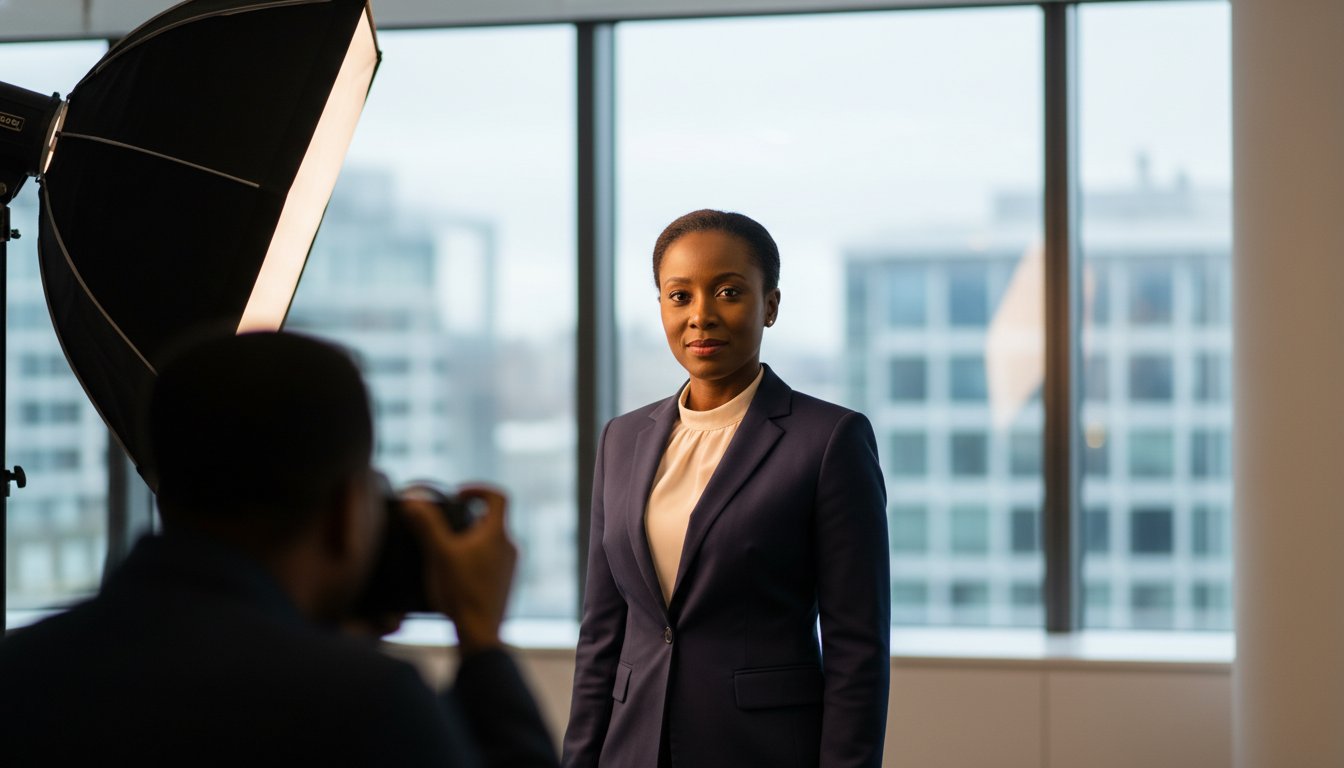
Your wardrobe is a visual dialect. It speaks to your audience before a single word of copy is read. Whilst many guides suggest simply wearing what you love, a strategic approach requires a more nuanced lens. For urban portraiture or fashion-forward branding, your clothing must balance professional authority with genuine authenticity. It's about selecting pieces that reflect your premium market position whilst remaining grounded in your actual personality. High-end sensors are notoriously unforgiving; they will highlight bunching under the arms or ill-fitting seams that might go unnoticed in daily life. Prioritising a sharp silhouette is essential for maintaining that expert mindset on camera.
Visual clutter is the enemy of a sophisticated brand asset. Avoid distracting patterns or oversized logos that can date your images or draw the viewer's eye away from your face. Small, busy prints often create a technical interference known as moiré, which can degrade the quality of your digital files. Instead, focus on timeless pieces that allow your character to take centre stage. When considering how to prepare for a professional photoshoot, always bring more options than you think you'll need. Having a variety of textures and layers on hand allows for real-time styling adjustments, ensuring we capture the most flattering and impactful version of your brand story. If you're unsure which pieces align best with your creative brief, you can always discuss your wardrobe strategy during our pre-shoot consultation.
The Science of Colour and Texture
Colour psychology plays a pivotal role in brand perception. Choose hues that complement your skin tone and sit harmoniously within your existing brand palette. Beyond colour, think about the tactile nature of your garments. Incorporating diverse textures like matte wool, shimmering silk, or structured leather adds immense visual depth to a photograph. These elements catch the light differently, creating a rich, multi-dimensional look that feels expensive and intentional. Referencing in-depth photoshoot preparation resources can help you understand how specific fabrics behave under studio or natural lighting.
Footwear and Accessories
Never underestimate the power of your shoes. Even in tight portraits where they aren't visible, your choice of footwear fundamentally alters your posture and confidence. A structured heel or a sharp boot changes how you carry yourself, projecting a more authoritative presence. Keep jewellery minimalist to avoid dated trends, unless the session is a dedicated fashion editorial. Finally, ensure every item is steamed, pressed, and organised in a garment bag. Arriving with pristine clothing shows respect for the production and ensures we spend our time capturing excellence rather than fixing wrinkles in post-production.
The Logistics of a Seamless Production
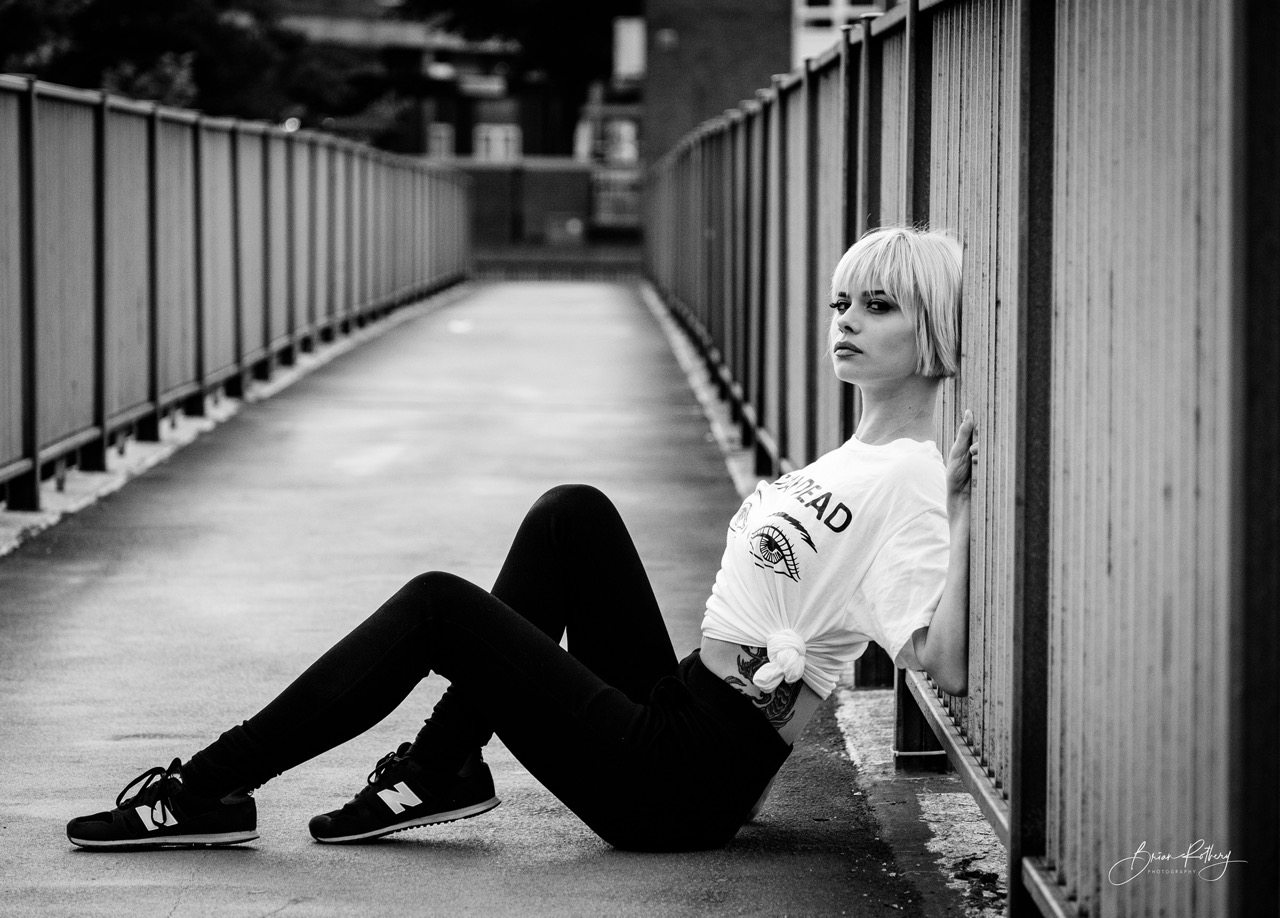
Logistics are the scaffolding of a successful session. Without a clear plan, the creative energy of the day can quickly dissipate into stress. The first decision is your location strategy. A controlled studio environment offers precision; it's a blank canvas where lighting is sculpted to highlight your best features. This is ideal for high-end fashion or minimalist personal branding. Alternatively, an urban street setting provides a dynamic, narrative-driven backdrop. This approach, often mastered by on-location specialists like Beautiful Capture Photography, signals relevance and a modern, fast-paced business spirit. Both choices are strategic, but they require different levels of preparation to execute effectively.
When you're learning how to prepare for a professional photoshoot, punctuality is your greatest ally. Plan your travel to arrive at least ten minutes early. This window isn't just a buffer for traffic; it's a mental reset. It allows you to settle into the creative space and build a rapport with your photographer before the first shutter click. Bring a "session kit" to handle on-set emergencies. This should include hairspray, lint rollers, and any specific grooming products you prefer. These small items ensure that stray hairs or dust don't detract from your premium visual assets, whilst keeping you feeling composed and in control.
Don't forget the physical "tools of your trade." If your brand is built on a specific craft, bring the objects that tell that story. Whether it's a high-end camera, architectural blueprints, or bespoke fabrics, these props add a layer of authenticity that a simple portrait cannot achieve. Organising these items in advance ensures they are clean, presentable, and ready to be integrated into the frame without delay. This level of foresight distinguishes a casual session from a high-stakes commercial production.
Grooming and Physical Preparation
Consistency is key for a natural look on camera. Schedule any haircuts or colour treatments at least five days before your session. This gives the style time to settle and look lived-in. Hydration is another vital strategic tool. Drink plenty of water in the 48 hours leading up to the shoot to ensure your skin looks vibrant and healthy. Avoid experimenting with new skincare treatments or tanning products immediately before the date; you want to look like the most polished version of yourself, not a stranger.
Managing the Timeline
A rushed shoot is rarely a successful one. Allocate specific time slots for each outfit change to maintain a steady rhythm. Include "buffer time" for hair and makeup touch-ups between different setups to keep the look fresh. If you have hard deadlines for the end of the day, communicate these to your photographer in advance. This transparency allows the creative team to prioritise the most important shots without sacrificing quality or spontaneity, ensuring every minute spent on set is a productive investment.
Mastering On-Camera Confidence and Behaviour
Feeling nervous is a standard part of the professional photography experience. It is the natural physiological response to being the subject of intense observation. However, true confidence doesn't come from a lack of nerves; it comes from a structured approach. Understanding how to prepare for a professional photoshoot involves shifting your focus from "performing" to collaborating. Trust the alliance we have built during the briefing stage. My role is to lead and direct your movement, removing the burden of performance from your shoulders so you can focus on being present.
Authority is often conveyed through micro-expressions rather than grand gestures. Focus on maintaining "active eyes" to signal engagement and intellectual presence. This prevents the "blank" look that can occur when a subject is overthinking their pose. It's also vital to understand that the best shots often happen in the transitions between formal setups. These moments of genuine adjustment frequently capture the most authentic version of your character, providing the raw, relatable imagery that modern audiences crave. If you're ready to step in front of the lens with a clear strategy, you can book a consultation to discuss your specific visual goals.
Posturing for Influence
Posture should project power without appearing rigid or uncomfortable. Use the "core-up" technique by imagining a string pulling you upward from the centre of your chest; this naturally aligns your spine whilst keeping your shoulders relaxed. Your hands are equally important. Use them to create natural lines, perhaps by adjusting a cuff or resting them lightly on a surface. This avoids the static, "parked" look common in amateur work and adds a layer of sophisticated movement to the frame. Practise "the lean" towards the camera to create an immediate sense of approachability and connection with the viewer.
The Power of Breath and Movement
Breath is a tactical tool for on-camera success. Use controlled, deep breathing to lower your heart rate and soften the tension in your facial muscles. Soft muscles translate to a more natural, inviting expression. Incorporate slight, deliberate movements, such as a slow walk, a gentle turn, or a subtle shift in weight, to inject dynamic energy into the session. This prevents the images from feeling staged or flat. To reset your expression between frames, take a deep breath, close your eyes for a second, and exhale fully as you reopen them.
Post-Shoot Strategy: Maximising Your Visual Assets
The final shutter click marks the transition from production to curation. Whilst many believe the work ends when they leave the studio, the selection process is actually where your brand narrative is solidified. If you have followed the strategic advice on how to prepare for a professional photoshoot, you will have a wealth of high-quality raw material. Now, you must pivot from subject to strategist. Evaluate your proofs through the lens of your creative brief rather than personal vanity. A shot that feels slightly "imperfect" to you might be the exact image that conveys the raw, authentic authority your market demands.
A high-value library requires structural diversity. You need "hero" images; these are the high-impact, landscape-oriented captures destined for website banners and keynote presentations. Complement these with "filler" content, which includes tighter crops and detail shots perfect for social media feeds or blog headers. This mix ensures your visual identity remains fresh whilst maintaining a consistent core. Consider the longevity of your investment. Whilst it's tempting to lean into current aesthetic movements, ensure you have a foundation of timeless imagery that will remain relevant for several years. This balance protects your brand integrity as trends shift amongst your competitors.
The Selection and Retouching Process
Professional retouching is a precise art that differs significantly from basic global edits. Whilst global adjustments handle colour and exposure, high-end retouching focuses on refining the narrative by removing subtle distractions and polishing skin textures without losing authenticity. Select images that display a range of emotions. Versatility is a strategic asset. Having both a stern, authoritative portrait and a warm, approachable candid allows you to tailor your communication to different platforms and audience segments effectively.
Deploying Your New Visual Identity
Maximising your assets requires a coordinated launch. Update your LinkedIn profile, website homepage, and digital marketing materials simultaneously to signal a significant brand evolution. If you opted for urban portraiture, use these frames to highlight your modern, forward-thinking business mindset in your latest press releases or "About" page. Finally, don't exhaust your library in a single week. Create a long-term content calendar that drip-feeds these assets over several months, ensuring your premium market position is reinforced with every post.
Elevate Your Visual Authority
Visual assets are the frontline of your business identity. By aligning your creative brief with a sharp wardrobe and precise logistics, you move beyond the transaction of a simple portrait session. You're creating a strategic asset. Knowing how to prepare for a professional photoshoot ensures that every frame captured serves a functional purpose within your marketing ecosystem. It's about confidence, clarity, and the courage to project your most authentic professional self.
Your brand deserves more than a generic headshot. As a fashion-forward urban portraiture specialist, I focus on expert brand storytelling through imagery that resonates with a premium audience. We'll work together through personalised creative direction to ensure your visual identity is both modern and timeless. The results will be a library of high-end images that command respect in any metropolitan hub.
Ready to transform your brand's presence? Book your strategic photography consultation with BR-Photography today. Let's create something that justifies your position amongst the elite in your sector. Your future visual success starts with a single, deliberate choice.
Frequently Asked Questions
How far in advance should I book my professional photoshoot?
You should aim to book your session at least four to six weeks in advance. This lead time is essential to properly execute the strategic planning stages, such as defining your creative brief and sourcing the perfect wardrobe. Early booking ensures you secure your preferred date whilst allowing us to build a collaborative alliance through pre-shoot consultations. It also provides a buffer for any grooming treatments that need time to settle before the day.
What should I wear if I want a timeless professional look?
Focus on structured silhouettes and neutral colour palettes to achieve a timeless professional aesthetic. Avoid fast-fashion trends or busy patterns that might date your assets within a year. High-quality fabrics like wool or silk photograph beautifully and project a sense of quiet authority. This approach ensures your images remain a high-value asset for your website and LinkedIn profile for several years without needing a refresh.
Can I bring a friend or colleague to help me feel more comfortable?
Bringing a trusted colleague can be beneficial if their presence helps you feel more relaxed and in control. However, ensure they understand the professional nature of the production and don't distract from the creative direction. The goal is to maintain a focused atmosphere where we can capture authentic micro-expressions. If you're learning how to prepare for a professional photoshoot, having a supportive peer can sometimes assist in resetting your energy between different setups.
How do I choose between a studio and an on-location urban shoot?
Your choice depends entirely on the brand narrative you wish to communicate. A studio offers a controlled environment with sculpted lighting, which is ideal for minimalist fashion or high-end portraiture. An urban street setting provides a dynamic, narrative-driven backdrop that signals a modern, fast-paced business spirit. We'll evaluate which environment best supports your strategic goals during our initial consultation to ensure the location justifies your premium market position.
What happens if it rains on the day of my outdoor fashion session?
We monitor the forecast closely and will make a final decision 24 hours before your outdoor session. If the weather is unsuitable for an urban portrait or fashion shoot, we can either reschedule to the next available date or pivot to a covered architectural location. Flexibility is a part of the professional process. Our priority is protecting the integrity of your visual assets and ensuring you feel comfortable throughout the production.
How long does it typically take to receive the final edited images?
You can expect to receive your fully retouched, high-resolution gallery within two to three weeks of making your final selections. This timeline allows for the meticulous high-end professional retouching required to polish your brand narrative. We prioritise quality over speed to ensure every image functions as a premium asset. If you have a specific hard deadline for a press release or website launch, please communicate this during the briefing stage.
Do I need to hire a professional hair and makeup artist?
Hiring a professional hair and makeup artist is highly recommended for creating high-end strategic assets. Professional cameras and lighting are incredibly detailed; an expert artist knows how to apply products that photograph naturally whilst enhancing your features. This investment ensures your skin looks vibrant and matte under studio lights, reducing the need for extensive retouching. It also allows you to focus entirely on your on-camera confidence whilst a specialist handles the aesthetics.
What is the best way to share my brand vision with the photographer?
The most effective way to share your vision is through a curated mood board and a structured creative brief. Use visual references to define the lighting, textures, and "mood" you're aiming for, as discussed in the earlier sections of this guide. This clarity prevents misunderstandings and ensures we're aligned on the functional value of the images. Sharing these insights early allows us to tailor the session specifically to your brand's unique trajectory.
Disclaimer
"The information provided in this Blog post is for general informational purposes only. While I strive to provide accurate information, I make no representations or warranties of any kind about the accuracy, reliability, or completeness of this information. Any reliance you place on such information is strictly at your own risk. In no event will I be liable for any loss or damage derived from the use of this blog."


