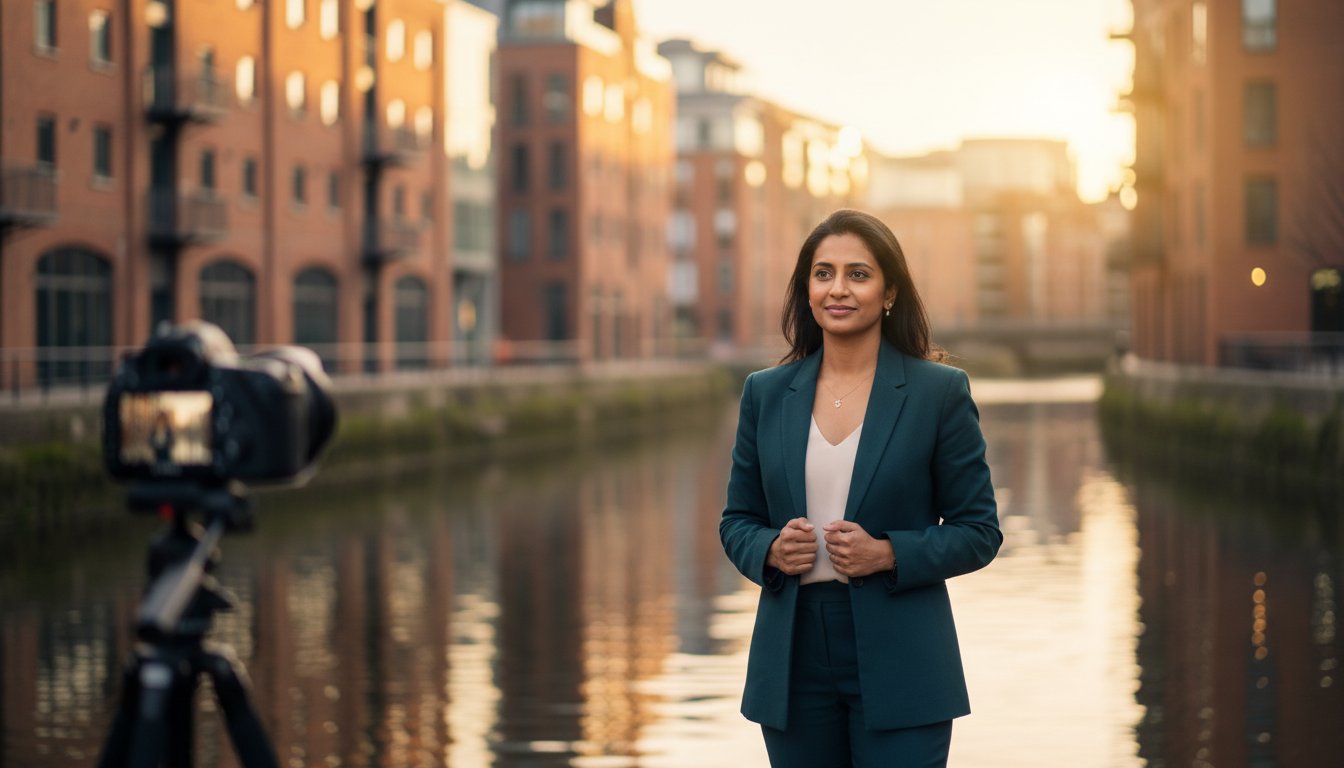
Your author headshot is not a vanity project. It is a high-stakes piece of marketing collateral that functions as the visual handshake between you and your reader. According to research from Princeton University, people form a judgement of your competence and trustworthiness in just 100 milliseconds. Choosing the right author headshot photographer is often the difference between a book that sits on a shelf and one that builds a lasting career. Wherever you are based across the UK, your visual identity must be as polished as your prose.
You’ve likely spent years refining your manuscript, so the fear of appearing stiff or fake in a photograph is a valid concern for any professional writer. It’s frustrating when your visual identity doesn't match the sophistication of your work. This guide will show you how to select a strategic creative partner who translates your literary voice into a powerful visual brand that resonates with readers and publishers alike. We’ll explore genre-specific styling, the complexities of UK licensing for book jackets versus social media, and how to ensure your session is a stress-free investment in your professional growth.
Key Takeaways
- Learn why a generic corporate portrait fails your literary brand and how a specialist author headshot photographer captures your unique creative essence to engage publishers.
- Discover how to align your visual identity with your specific literary genre, ensuring your aesthetic resonates with your target audience’s expectations.
- Evaluate the strategic benefits of studio precision versus the raw authenticity of urban portraiture to find the backdrop that best reflects your authorial voice.
- Master the art of the creative brief and navigate styling choices to ensure your session produces a versatile visual ecosystem rather than just a single image.
- Understand why viewing your photographer as a strategic creative partner is essential for scaling your personal brand and standing out in a competitive market.
The Role of the Author Headshot Photographer in the Modern Literary Market
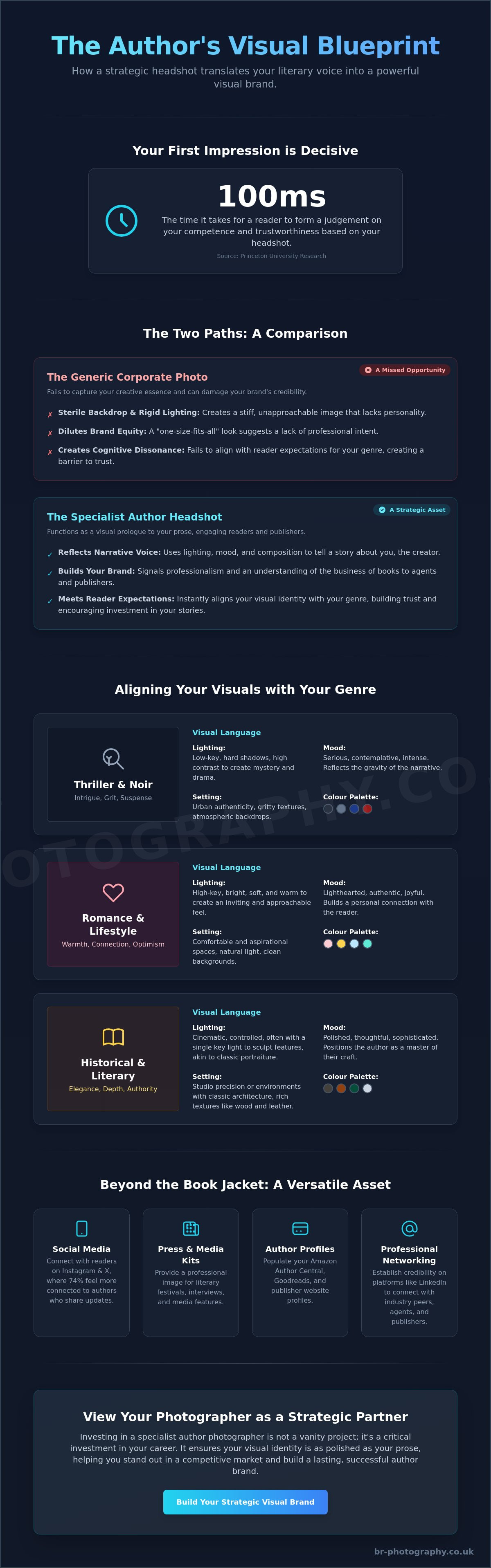
In the current UK publishing market, your face is often the first thing a reader or agent encounters before they ever turn a page. The role of an author headshot photographer has evolved far beyond simply providing a grainy black-and-white snap for a dust jacket. It's about strategic brand positioning. A standard corporate headshot, with its rigid lighting and sterile backdrop, fails to capture the creative spark that drives a writer's work. Writers need imagery that reflects their narrative voice, whether that's the grit of a Northern noir or the polished elegance of historical fiction.
By understanding portrait photography as a tool for storytelling, we move away from generic poses and into a space where your image serves as a visual prologue to your prose. This transition from a single book jacket photo to a multi-platform digital identity is a necessity for the modern writer. You aren't just selling a book; you're inviting an audience into your world. Whether you're based in Leeds, London, or anywhere in between, your visual assets must be as refined as your manuscript. Professional imagery impacts how you're perceived by the gatekeepers of the industry. Agents and publishers look for authors who understand the business of books, and a high-quality portrait signals that you're a serious professional ready for the spotlight.
Beyond the Book Jacket: Where Your Image Works
Your digital footprint is now your primary storefront. A high-quality portrait works across multiple touchpoints to build your brand. It's the face behind the prose on Instagram and X, where 74% of readers say they feel more connected to authors who share personal updates. Your image is the anchor of your press kit for literary festivals like Harrogate or Cheltenham. It populates your Amazon Author Central profile and your LinkedIn page, where you connect with industry peers. Don't treat your photo as an afterthought; it's a versatile asset that drives engagement across every platform you inhabit.
The Psychology of the First Impression
Visual cues act as a shorthand for genre and authority. A reader looking for a gritty crime thriller expects different lighting and tone than someone seeking a lighthearted romance. Research suggests that humans form a first impression in under 50 milliseconds, making that initial visual contact vital for building trust. A professional author headshot photographer uses composition and mood to align your look with your genre, ensuring you meet reader expectations instantly. High-quality imagery signals that you take your career seriously, which encourages the audience to invest their time in your stories. Visual voice is the silent dialogue between an author's personality and the audience's expectations, acting as the essential bridge before a single word is read.
Aligning Your Visual Identity with Your Literary Genre
A generic portrait is a missed opportunity. When an author treats their image as a mere formality, they dilute their brand equity. Readers subconsciously seek visual cues that match the tone of the book they are about to purchase. A "one-size-fits-all" approach to photography damages credibility because it suggests a lack of professional intent. If your thriller looks like a lifestyle blog, or your business manual feels like a gothic novel, the cognitive dissonance creates a barrier to trust. Your author headshot photographer should act as a strategic partner, ensuring your visual output mirrors your narrative voice.
Visual language is a precise science. Lighting, colour palettes, and framing aren't just aesthetic choices; they are communication tools. A low-key lighting setup with deep shadows signals mystery, whilst high-key, bright environments suggest transparency and optimism. According to industry insights on how to take a great author photo, aligning these elements with your specific genre is essential for market positioning. It's about authenticity, not performing a character. You aren't dressing up as your protagonist; you are presenting the professional mind capable of dreaming them into existence.
The Thriller and Noir Aesthetic
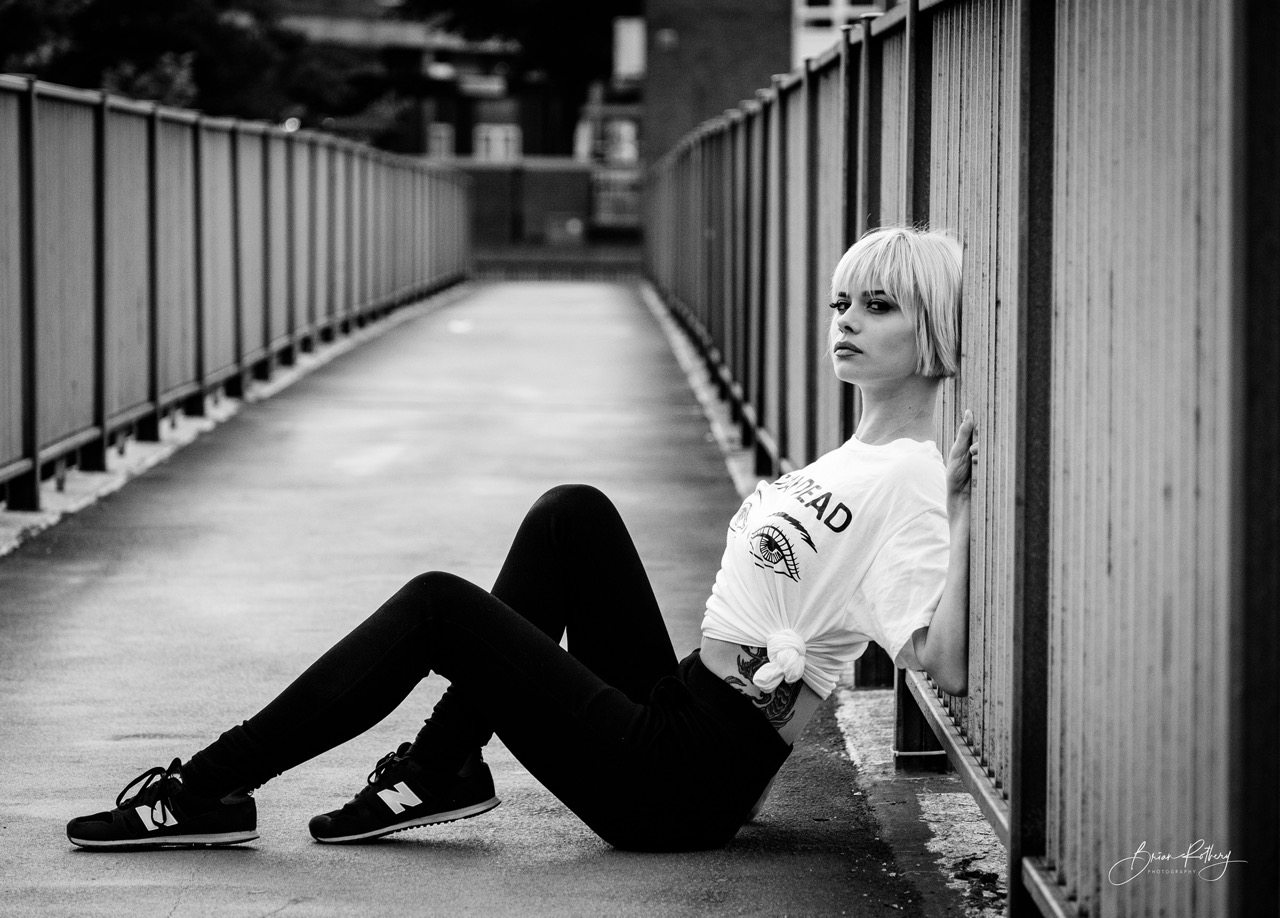
Intrigue requires contrast. For suspense and crime writers, we utilise hard shadows and high-contrast lighting to create a sense of the unknown. Urban settings in Leeds or London provide the perfect "gritty" textures, think weathered brickwork or industrial steel. Wardrobe choices should lean towards darker tones and structured silhouettes. This isn't about looking menacing. It's about projecting the sharp, analytical edge that the genre demands.
Romance and Commercial Fiction Vibes
Connection is the primary currency here. We focus on soft, natural lighting and warmer colour temperatures that feel inviting. Expressions should be approachable and empathetic, building an immediate bond with the reader. Lifestyle elements, such as a relaxed pose in a sun-drenched studio or a garden setting, create a relatable persona. This approachability is a strategic investment in your long-term reader engagement.
Non-Fiction and Thought Leadership
Authority must be balanced with accessibility. For non-fiction, we prioritise clarity and professional confidence through clean backgrounds and direct eye contact. The goal is to project "expert" status without appearing detached. Modern styling replaces the stuffy academic look with sharp, contemporary attire. If you want to elevate your professional presence, a strategy-led author branding session ensures your image works as hard as your manuscript. We focus on framing that suggests a visionary outlook, positioning you as a leader in your field.
Studio Precision vs. Urban Authenticity: Choosing Your Backdrop
The environment behind you speaks as loudly as the expression on your face. It's a strategic choice that defines your positioning within the literary market. Your backdrop shouldn't be an afterthought; it's a narrative tool that either reinforces your genre or creates a jarring disconnect for the reader. Choosing an author headshot photographer who understands this spatial psychology is the difference between a generic profile picture and a powerful brand asset.
In the UK, we face unique atmospheric challenges. With the Met Office reporting an average of 156.2 days of rain per year, the decision between an indoor studio and an outdoor location involves both aesthetic and logistical considerations. We don't just look at what looks good; we look at what works for your long-term marketing strategy.
The Studio: Control and Versatility
Studio environments offer a laboratory-grade level of precision. This setting is the gold standard for high-end book jackets and minimalist branding. By removing environmental distractions, we keep the focus entirely on your eyes and posture. It's a clean, clinical approach that works exceptionally well for non-fiction authors, academics, and poets who want a timeless, "prestige" aesthetic.
- Consistent Lighting: We manipulate every shadow to highlight your best features.
- Brand Longevity: Studio shots are easier to replicate if you need to update your portfolio every 24 months.
- Refined Editing: A neutral background allows for pixel-perfect retouching that looks natural rather than forced.
Urban and Location Sessions: Narrative Context
Modern writers are increasingly abandoning the "academic at a desk" trope in favour of urban portraiture. This style signals a brand that's contemporary, trend-aware, and deeply connected to the real world. Whether it's the brutalist concrete of London or the industrial red bricks of Leeds, the city becomes your co-author. It provides a grit and texture that a studio simply cannot replicate.
A strategic author headshot photographer acts as a creative partner during the location scouting phase. If your manuscript is a fast-paced tech thriller, we might seek out glass-and-steel architecture to mirror that cold, modern energy. If you're writing historical fiction set in the North, the weathered textures of a Yorkshire mill town provide an authentic backdrop that resonates with your prose. We match the "mood" of the location to the "voice" of your pages. This alignment builds subconscious trust with your audience before they've even read the first chapter.
Logistics are the final piece of the puzzle. When we shoot on location, we monitor light quality with obsessive detail. The soft, diffused "grey" light typical of British afternoons is actually a gift for portraiture, as it eliminates harsh shadows. However, we always have a vetted indoor alternative ready. We don't leave your brand's success to the whims of the weather.
The Professional Author’s Checklist: Preparing for Your Session
Preparation is the bridge between a generic photo and a strategic brand asset. Your session with an author headshot photographer should feel like a partnership rather than a chore. When we work together, the focus is on functional imagery that scales your professional presence across multiple platforms. Most writers feel a level of camera anxiety before a shoot. In fact, 40% of my clients admit to feeling nervous during our initial consultation. We manage this through clear, collaborative preparation that removes the guesswork from the process.
Building Your Creative Brief
A creative brief ensures we're aligned on your brand values before the first frame is captured. Start by identifying your target audience. Are you writing gritty crime thrillers set in Leeds or high-end academic texts for a global market? Your portrait must signal that genre immediately. I encourage you to share a mood board or a few favourite author portraits for inspiration. We also need to address technical requirements. Publishers often require specific file sizes or safe zones for text overlays on book jackets. Identifying these early prevents post-production headaches and ensures your investment delivers maximum utility.
Wardrobe and Styling Strategy
Your wardrobe should be timeless. Trends fade, but your book might stay on shelves for a decade or more. Avoid distracting patterns that can cause digital distortion or moiré effects in high-resolution files. Focus on texture and fit instead. A heavy knit or a crisp linen jacket adds depth without pulling focus from your face. I recommend bringing three to four distinct options to every session. This variety allows us to create a diverse gallery. You'll have a formal look for a Sunday Times feature and a more relaxed, approachable style for your social media profile.
Professional hair and make-up are equally vital for high-end results. Modern sensors pick up every minute detail. A professional stylist knows how to manage skin shine and flyaway hairs that would otherwise require heavy retouching. This isn't about looking "done up" or artificial. It's about looking like the most polished, confident version of yourself. When you're happy with your appearance, your body language shifts. That natural confidence is exactly what we want to capture on film.
Ready to elevate your professional image with a strategic approach? Book your session with a specialist author headshot photographer today.
Why a Strategic Creative Partner is Vital for Your Author Brand
Your image isn't just a placeholder on a dust jacket; it's the foundation of a comprehensive visual ecosystem. Many writers view photography as a final checkbox in the publishing process. We challenge that notion. A professional author headshot photographer doesn't just capture your likeness; they translate your literary voice into a visual language that works across social media, press kits, and speaking engagements.
The BR-Photography philosophy merges high-end fashion aesthetics with an urban, street-style edge. We don't believe in the sterile, traditional portraits that have dominated the industry for decades. Instead, we focus on brand strategy. We look at how your portrait sits alongside your book cover design and your digital presence. We manage the complex technicalities of lighting, composition, and colour theory. This allows you to step out of the "author" role for a moment and inhabit your professional persona with total confidence.
Choosing a photographer based solely on the lowest price is a significant risk to your professional reputation. In the UK publishing market, first impressions are often formed in milliseconds. A 2023 industry analysis suggested that high-quality, strategic imagery can increase engagement on author platforms by up to 40%. "Cheap" photography often results in flat lighting and forced expressions, which can inadvertently signal a lack of professionalism to agents and retailers alike. Investing in quality is an investment in your brand's longevity.
The Collaborative Process
Our approach is built on partnership, not just a transaction. It begins with a dedicated strategy call where we dissect your genre, your audience, and your personal goals. We don't want you to feel like a prop in a studio. Whether we are shooting in the heart of Leeds or on the streets of London, the goal is authenticity. We guide your movements and expressions to ensure the final result feels unforced and genuine. This process creates a versatile library of images that serve your brand for years, providing consistent value across every marketing channel you use.
Ready to Elevate Your Author Brand?
The transition from "writer" to "recognised author" requires a shift in how you present yourself to the world. You've spent months or years perfecting your manuscript; your visual identity deserves the same level of meticulous craft. Don't leave your first impression to chance or an amateur lens. It's time to create a visual presence that commands respect and reflects the depth of your work. We are ready to help you define your aesthetic and scale your influence.
Book your strategic author headshot session with BR-Photography
Secure Your Visual Legacy in the Modern Market
Your visual identity dictates how the literary world perceives your work before a single page is turned. Aligning your aesthetic with your specific genre is no longer optional; it's a core component of your brand strategy. Whether you require the grit of urban portraiture or the clean precision of a studio session, every choice must be intentional. Data from the 2023 UK Publishing Association reports highlights that professional branding is essential for authors navigating a market where over 200,000 new titles are released annually. Choosing the right author headshot photographer ensures you don't just blend into the digital noise; you command attention.
BR-Photography operates as a strategic creative partner, not just a service provider. With a specialist focus on urban portraiture and personal branding across Leeds, London, and Yorkshire, these tailored sessions are designed specifically for the nuances of the UK creative industry. It's about moving beyond the lens to create imagery that functions as a high-value business asset. You've spent years perfecting your manuscript, so don't settle for a visual representation that undermines your professional authority.
Invest in your visual legacy, Book a consultation with BR-Photography
It's time to step into the spotlight with confidence. Your story deserves to be seen as clearly as it's read.
Frequently Asked Questions
How much should I expect to pay for a professional author headshot?
Expect to invest between £200 and £550 for a professional author headshot photographer in the UK. This investment covers the creative session time, professional lighting setup, and a selection of high-resolution retouched files. Specialist photographers in London or Leeds often provide tiered packages based on the level of branding strategy required. Think of this as a strategic business expense that directly elevates your book's marketability and professional standing.
Do I own the copyright to my author headshots for use on my book?
You typically receive a commercial usage licence rather than full copyright ownership of the images. Under the Copyright, Designs and Patents Act 1988, the photographer remains the legal creator and owner of the work. Your contract will specifically grant you the rights to use the portraits for book jackets, marketing materials, and press releases. Most professionals provide a written licence that ensures you can promote your work without additional fees.
How often should an author update their professional headshot?
Update your professional headshot every 2 to 3 years or whenever your physical appearance changes in a noticeable way. If you have changed your hair colour, started wearing glasses, or aged visibly, your current image no longer serves its purpose. Readers expect to recognise you at book signings or literary festivals. A dated photo creates a disconnect with your audience and can undermine your brand's authenticity during live events.
What is the best time of year for an outdoor author portrait in the UK?
Late spring and early autumn offer the most flattering natural light for outdoor sessions across the UK. Between May and June or September and October, the sun sits lower in the sky, which helps avoid harsh, unflattering shadows on the face. These months also provide a sophisticated colour palette in urban settings like Manchester or rural Yorkshire. Avoid the midday sun in July, as it creates high-contrast highlights that are difficult to manage.
Can I use my author headshots for my social media and website as well?
Yes, your portraits are designed for multi-channel engagement across your website and all social media profiles. A professional author headshot photographer creates a cohesive visual identity that works seamlessly for Instagram, X, and your personal blog. Consistency builds trust with your readership and helps you stand out in a crowded digital market. You need a library of assets that can scale with your marketing efforts and long-term career goals.
How long does a typical author headshot session take?
A standard author session usually lasts between 60 and 90 minutes to ensure a relaxed and productive atmosphere. This timeframe allows for 2 or 3 outfit changes and a variety of different backgrounds or lighting setups. Rushing the creative process often leads to stiff or forced results. A deliberate, steady pace helps you settle into the environment, ensuring the final images capture your genuine personality and professional authority.
What happens if I am extremely nervous in front of the camera?
It's completely normal to feel anxious, and 80% of my clients start their session feeling camera-shy or awkward. My role as your creative partner is to guide you through natural posing and relaxed conversation rather than just pointing a lens. We focus on the strategy of the shot and your brand goals to distract from the technical equipment. Once we start moving, that initial tension usually disappears within the first 15 minutes.
Should I bring props, like my book or a laptop, to the shoot?
Bringing a copy of your latest book or a laptop can add a layer of professional storytelling to your session. These items act as visual cues that reinforce your identity as a writer and provide context for your audience. However, keep props minimal so they don't distract from your expression or the overall composition. A single, well-chosen item helps position your brand and gives your hands something natural to do during the shoot.
Disclaimer
"The information provided in this Blog post is for general informational purposes only. While I strive to provide accurate information, I make no representations or warranties of any kind about the accuracy, reliability, or completeness of this information. Any reliance you place on such information is strictly at your own risk. In no event will I be liable for any loss or damage derived from the use of this blog."


